600+ Types of Flowers A To Z (With Names and Pictures)
Types Of Flowers By Names (A-Z) Types Of Flowers By Color Types Of Flowers By Season Types Of Flowers By Blooming Time 600+ Types of Flowers No. Flower Name No.…

Syringa villosa Vahl, commonly known as the Late Lilac or Villosa Lilac, is a robust shrub belonging to the Oleaceae family. This hardy species can reach impressive heights of up to 4 meters, making it a striking addition to any garden landscape.
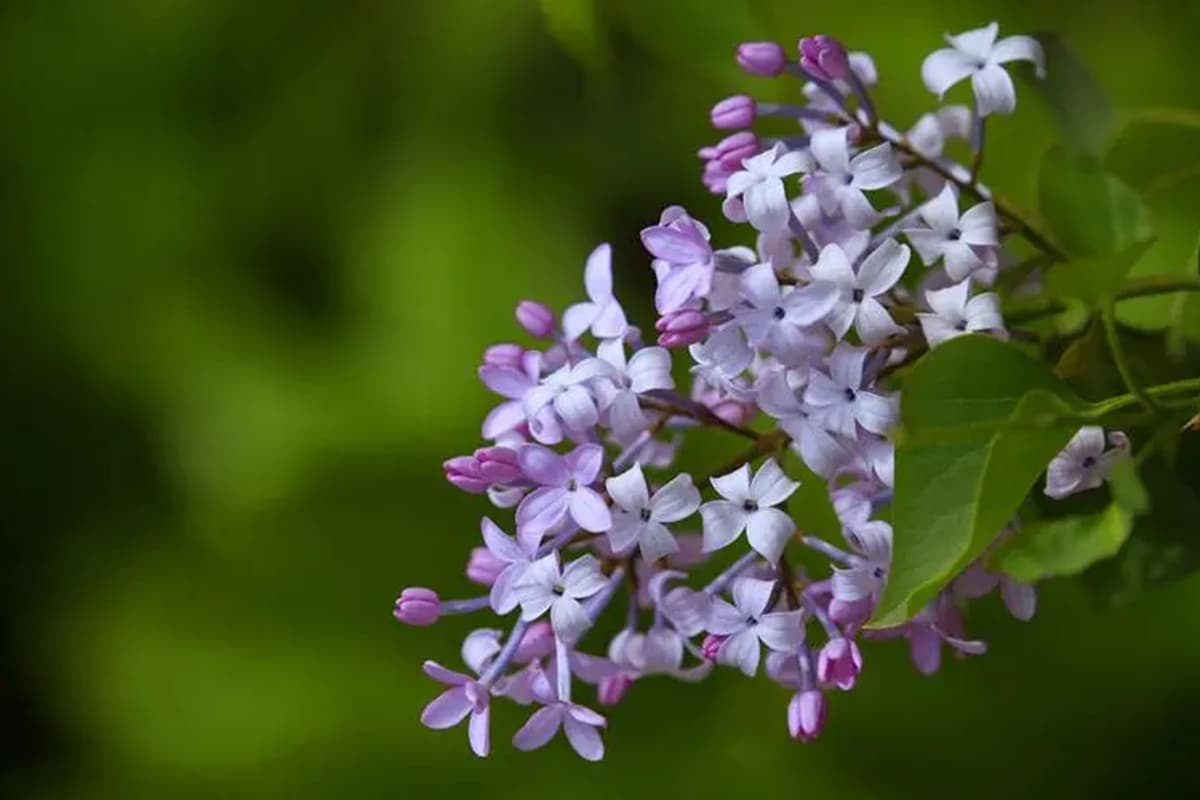
The Villosa Lilac boasts a distinctive appearance that sets it apart from other lilac varieties:
Syringa villosa is native to northern China, particularly in regions such as Hebei, Shanxi, and Inner Mongolia. It thrives in various habitats, including:
This species is well-adapted to elevations ranging from 1,200 to 2,200 meters above sea level, showcasing its versatility and hardiness in diverse environmental conditions.
Successful propagation of Syringa villosa can be achieved through the following methods:
a) Harvesting: Collect seeds when fruits are ripe but before they dehisce.
b) Processing: Air-dry harvested seeds in a well-ventilated area, then thresh.
c) Cleaning: Winnow and sieve to remove impurities, aiming for >95% seed purity.
a) Timing: Begin stratification process in late October.
b) Pre-treatment:
a) Timing: Sow in spring when soil temperature at 5 cm depth reaches 8°C.
b) Method: Sow in ridges, using single or double rows.
c) Spacing: For double rows, maintain 5-8 cm between rows.
d) Density:
By following these detailed propagation methods, gardeners and horticulturists can successfully cultivate Syringa villosa Vahl, creating a flourishing lilac garden that showcases the beauty and resilience of this remarkable species.
During germination and seedling establishment, implement precise ecological watering, adhering to the “little and frequent” principle. Water 3-4 times daily to maintain optimal soil moisture without oversaturation.
As plants enter vigorous growth stages, transition to physiological watering, following the “deep but infrequent” approach. Water thoroughly 1-2 times daily, allowing the soil to partially dry between waterings to promote deep root growth.
Tailor fertilization to the Red Lilac’s growth stages. In the early stage, apply nitrogen-rich fertilizers to support leaf and stem development. Transition to phosphorus-dominant fertilizers in the middle stage to enhance root growth and bud formation. In the later stage, focus on potassium-based fertilizers to improve flower quality and overall plant hardiness.
Begin fertilization when lateral roots emerge, typically 2-3 weeks after germination. Cease nitrogen application during the rapid growth phase to prevent excessive vegetative growth at the expense of flowering. For foliar fertilization, maintain a concentration below 1% to avoid leaf burn, and promptly rinse foliage with clean water after application.
When applying fertilizer to soil trenches, maintain a distance of at least 10 cm from seedling roots to prevent direct contact and potential root damage. Water thoroughly after application to facilitate nutrient distribution and uptake.
Maintain a weed-free nursery environment, preferably through manual or mechanical methods rather than chemical herbicides. Regular weeding and soil loosening are crucial for maintaining soil structure, aeration, and optimal root development.
Perform these tasks promptly after rain or irrigation when the soil is moist but not waterlogged. This timing minimizes soil compaction and facilitates easier weed removal. Simultaneously, remove any diseased, dead, or discarded seedlings to prevent potential disease spread and improve overall nursery efficiency.
Maintain an optimal nursery density of 50-70 plants per square meter to ensure adequate space for growth and air circulation. If seedling emergence exceeds this density, conduct prompt thinning to prevent overcrowding and competition for resources.
Apply the “remove the weak, retain the strong” principle during thinning, ensuring an even distribution of healthy seedlings. Perform thinning on overcast days in early to mid-June when seedlings have developed 2-3 pairs of true leaves. Water thoroughly after thinning to minimize stress and promote recovery of remaining seedlings.
The Red Lilac (Syringa villosa) offers exceptional ornamental value with its robust growth habit, dense branching, and large, fragrant cone-shaped flower clusters. Its vibrant blooms, coupled with high resistance to diseases and pests, make it an ideal choice for urban landscaping.
This species excels in phytoremediation, effectively absorbing atmospheric pollutants such as particulate matter, hydrogen fluoride, and sulfur dioxide. This attribute, combined with its aesthetic appeal, makes the Red Lilac particularly suitable for street tree plantings and urban greening initiatives in northwest Chinese cities.
For maximum visual impact, plant Red Lilacs in courtyard settings or create groupings on expansive lawns. Their striking appearance and fragrance can serve as focal points in landscape designs or as natural privacy screens.
The Red Lilac possesses significant medicinal properties, primarily due to the presence of eugenol in its flowers. Eugenol, a versatile compound, exhibits potent anti-inflammatory, antiseptic, and analgesic properties, making it valuable in dentistry and general healthcare.
Eugenol’s stimulating effect on the cerebral cortex contributes to mood regulation, mental invigoration, and overall well-being. This makes Red Lilac extracts promising ingredients in natural health supplements and aromatherapy products.
The antibacterial potency of eugenol derived from Red Lilac is notably high, surpassing that of phenol by more than fivefold. It demonstrates inhibitory effects against pathogens such as Streptococcus pneumoniae and influenza viruses, suggesting potential applications in natural antimicrobial formulations.
In traditional Tibetan medicine, the roots and stems of the Red Lilac, known as “agalloch,” are utilized for their diverse therapeutic properties. They are traditionally employed to alleviate heat in the heart, treat headaches, improve memory, combat insomnia, and address respiratory conditions such as chronic bronchitis, persistent coughs, excessive phlegm, and asthma. These traditional uses highlight the potential for further research into the Red Lilac’s bioactive compounds for modern pharmaceutical applications.

Peggie was once a high school mathematics teacher, but she set aside her chalkboard and textbooks to follow her lifelong passion for flowers. After years of dedication and learning, she not only established a thriving flower shop but also founded this blog, “Flowers Library”. If you have any questions or wish to learn more about flowers, feel free to contact Peggie.
 English
  العربية
  Bahasa Indonesia
  Deutsch
  Français
  Italiano
  Nederlands
  Português
  Русский
  日本語
日本語