600+ Types of Flowers A To Z (With Names and Pictures)
Types Of Flowers By Names (A-Z) Types Of Flowers By Color Types Of Flowers By Season Types Of Flowers By Blooming Time 600+ Types of Flowers No. Flower Name No.…

Silene fulgens, a perennial herb of the Caryophyllaceae family, has a cluster of spindle-shaped, slightly fleshy roots. The upper part of the stem is sparsely covered with long soft hair. The leaves are ovate and covered with hair on both sides and edges.
The petals are deep red, narrow and lanceolate with marginal hair. The fruit is a long ellipsoidal ovoid, while the seeds are kidney-shaped. Its flowering period is from June to July, and its fruiting period is from August to September.
The Silene fulgens flower is predominantly fire red, dazzlingly bright, with the petal tips split in the middle, reminiscent of silk satin being cut. It blooms in autumn, hence the name “Silene fulgens”.
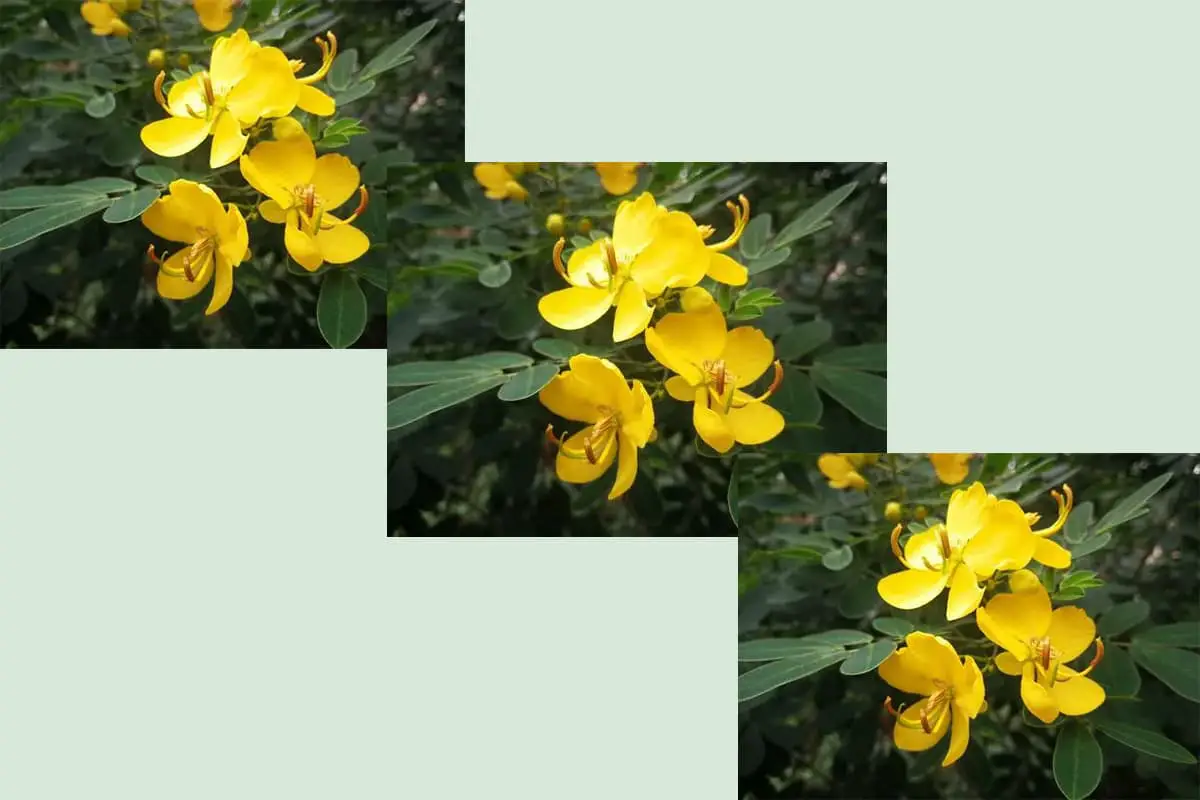
Originally from China, Silene fulgens can also be found in Japan, Korea, and Russia. It often grows in the damp undergrowth of sparse forests and bush meadows at lower altitudes.
Silene fulgens prefers sunlight, tolerates shade, and is cold resistant. Its main methods of propagation are by seed and vegetative reproduction.
The Silene fulgens flower, predominantly fire red and dazzlingly bright, has petal tips split in the middle, reminiscent of silk satin being cut. It blooms in autumn, hence the name “Silene fulgens”.

A perennial herb, 50-80 cm tall, covered with soft hair. The stem is upright, either unbranched or branching at the top.
The leaves are ovate-elliptical or ovate-lanceolate, 4-10 cm long and 2-4 cm wide, with a round base, rarely wide-wedge-shaped, not stalked, with a gradually pointed apex, and covered with rough hair on both sides and edges.
Silene fulgens can be found in Heilongjiang, Jilin, Liaoning, Hebei, Shanxi, Inner Mongolia, Yunnan, and Sichuan provinces of China. It is occasionally cultivated in other provinces. It is also distributed in Japan, Korea, and Russia.
Silene fulgens grows in the damp undergrowth of sparse forests and bush meadows at lower altitudes.
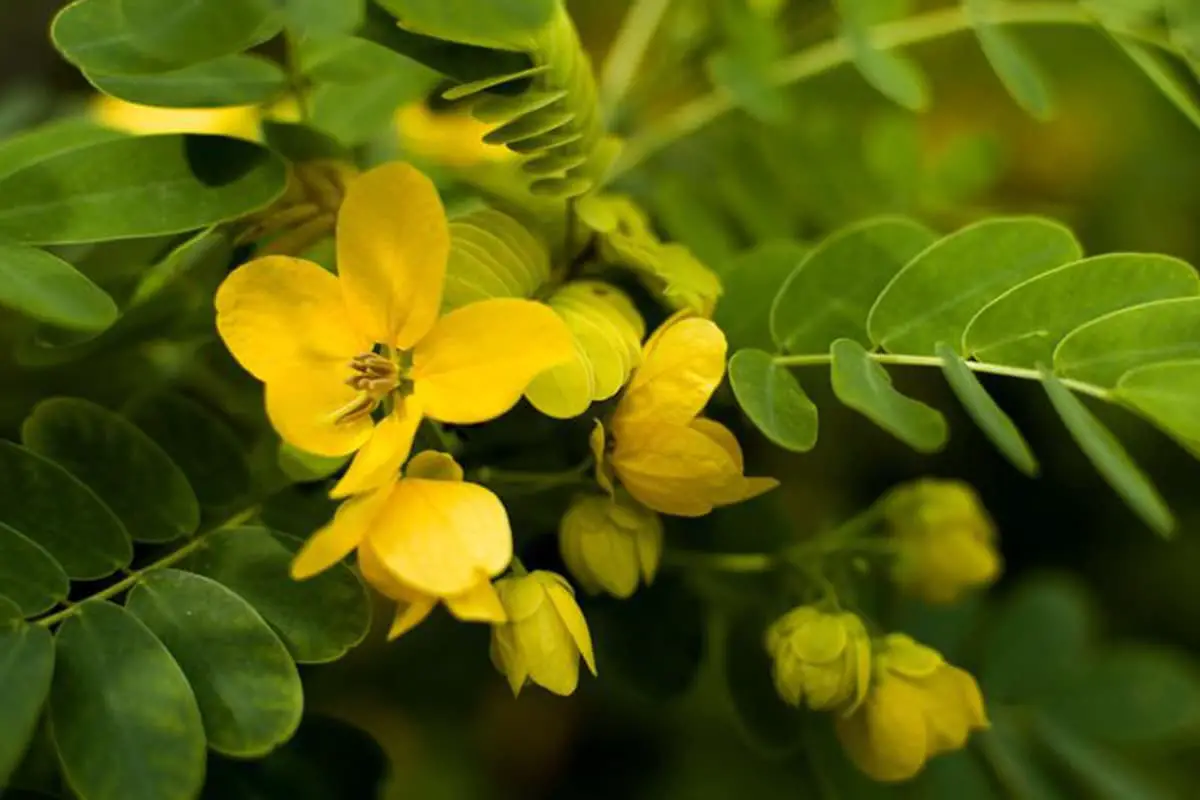
This robust, cold-resistant species requires plenty of sunlight and a cool summer climate. It also tolerates shade. It prefers well-drained sandy loam soil but can also tolerate limestone and gravelly soil.
The main methods of propagation are by seed and vegetative reproduction.
Silene fulgens is susceptible to leaf spot disease, caused by Alternaria and Cercospora. Applications of Bordeaux mixture or other copper fungicides can control it.
Rust disease is caused by Puccinia and Uromyces. This can be managed by spraying plants with fungicides such as Ferbam and Rustban.
The vibrant and elegant flowers of Silene fulgens are primarily used in flower beds, flower borders, and rock gardens. They can also be used to adorn landscapes, or be grown in pots or used as cut flowers. Its dark red or deep orange flowers, with a tassel-like form, can be used in flower beds and mirrors, making it an excellent green plant in rock gardens.
The whole plant can be used medicinally for its heat-clearing, detoxifying, blood-activating, and swelling-reducing properties. It is used to treat pneumonia, dysentery, toothache, high blood pressure, irregular menstruation, abscesses, and hemorrhoids.
According to foreign literature, a tincture made from the stem is used to treat headaches and infant convulsions caused by cranial trauma during childbirth.
Flower language: It means “gentle and kind”, “soft.
During the Qing Dynasty, Wang Hao wrote in the “Guang Qunfang Pu·Jian Qiuluo”: “Silene fulgens, also known as ‘Han Palace Autumn’, is deep red, with several petals, pointed and lovely, and blooms in August.”

Peggie was once a high school mathematics teacher, but she set aside her chalkboard and textbooks to follow her lifelong passion for flowers. After years of dedication and learning, she not only established a thriving flower shop but also founded this blog, “Flowers Library”. If you have any questions or wish to learn more about flowers, feel free to contact Peggie.
 English
  العربية
  Bahasa Indonesia
  Deutsch
  Français
  Italiano
  Nederlands
  Português
  Русский
  日本語
日本語