600+ Types of Flowers A To Z (With Names and Pictures)
Types Of Flowers By Names (A-Z) Types Of Flowers By Color Types Of Flowers By Season Types Of Flowers By Blooming Time 600+ Types of Flowers No. Flower Name No.…

Prunus subhirtella, particularly the ‘Autumnalis Rosea’ cultivar, is a highly prized ornamental cherry tree renowned for its unique blooming characteristics and delicate beauty. This triploid hybrid, derived from the small Higan cherry and other Prunus species, has been widely cultivated since the late Edo period in Japan, earning a special place in horticultural circles.
The species is notable for its biannual flowering habit, producing blossoms in late March to early April and again from October to December. This exceptional trait has led to its common names “October Cherry” for the white-flowered variety and “Rose October Cherry” for the pink-flowered form, making it a valuable addition to gardens seeking year-round interest.
Prunus subhirtella ‘Autumnalis Rosea’ is a complex hybrid, resulting from the crossing of the small Higan cherry (itself a hybrid of Prunus incisa and Prunus pendula) with other cherry species. Its genetic makeup contributes to its distinctive characteristics, particularly its extended and repeated flowering periods.
This cultivar belongs to a select group of double-flowering Higan cherry varieties that exhibit the unusual trait of blooming intermittently from autumn through spring. The autumn flowers tend to be smaller, while the spring blossoms are larger and borne on longer pedicels, creating a more dramatic display.
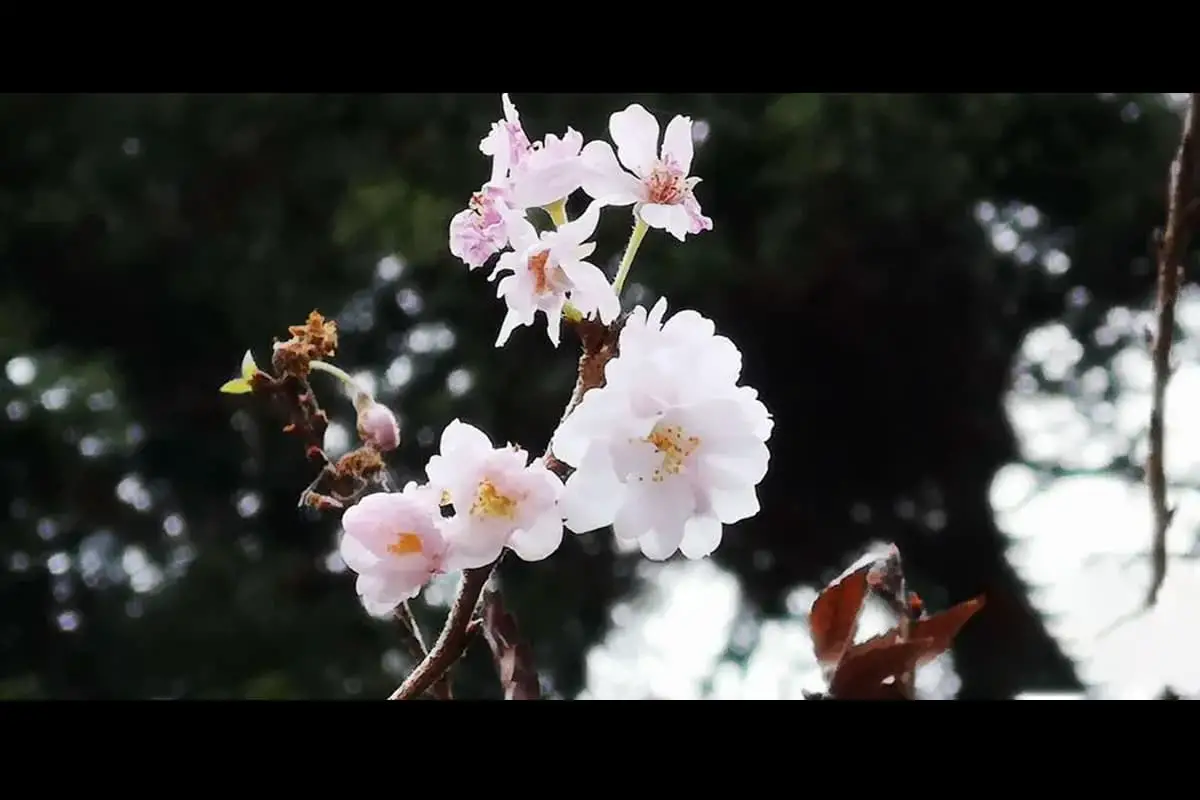
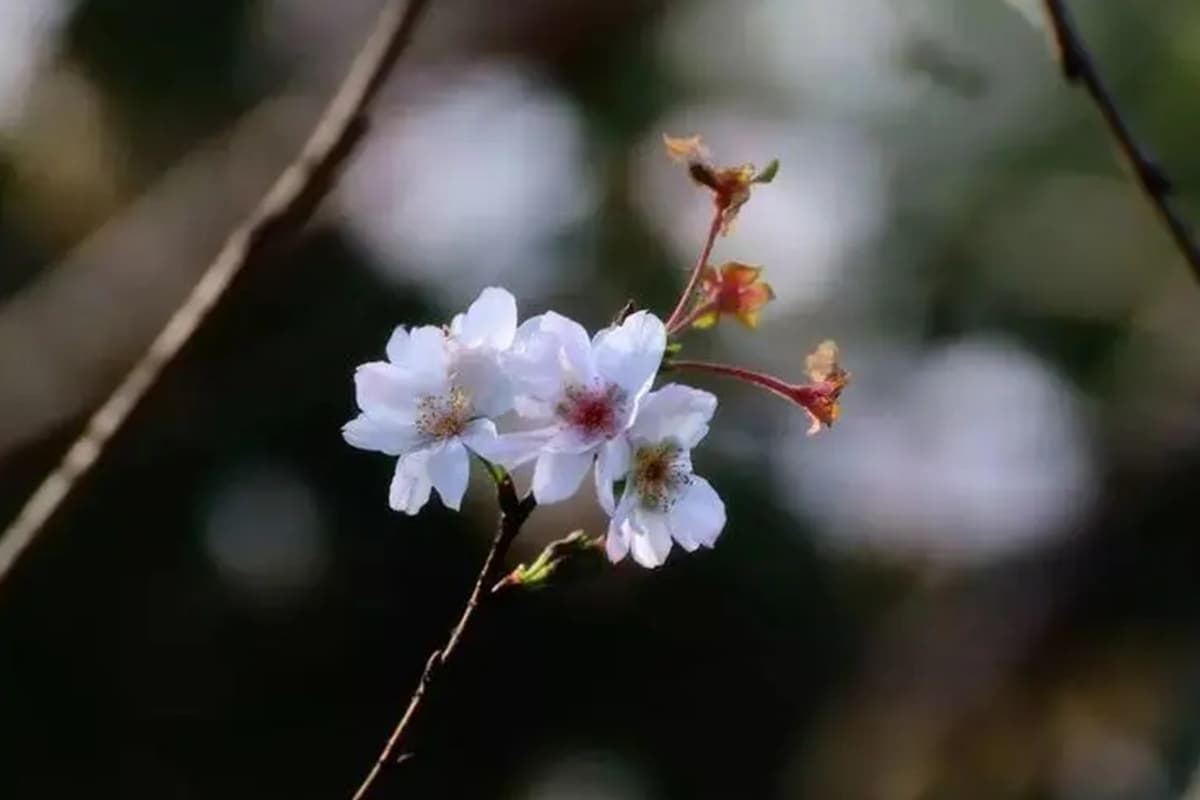
Prunus subhirtella ‘Autumnalis Rosea’ has been widely cultivated since the late Edo period (early 19th century) in Japan. Its ability to flower during the autumn and winter months, when most other plants are dormant, has made it a highly valued ornamental tree in Japanese gardens and beyond.
The ‘Autumnalis Rosea’ cultivar shares its autumn-blooming trait with another double-flowering cherry, the Fukuhana Early Cherry (Prunus × subhirtella ‘Fukubana’), though they are distinct varieties with their own unique characteristics.
In conclusion, the Prunus subhirtella ‘Autumnalis Rosea’, or Pink “Rose October Cherry,” is a remarkable ornamental tree that offers beauty and interest far beyond the typical spring cherry blossom season. Its unique flowering habit, delicate pink blossoms, and rich cultural history make it a prized addition to gardens seeking year-round appeal and a touch of Japanese horticultural heritage.

Peggie was once a high school mathematics teacher, but she set aside her chalkboard and textbooks to follow her lifelong passion for flowers. After years of dedication and learning, she not only established a thriving flower shop but also founded this blog, “Flowers Library”. If you have any questions or wish to learn more about flowers, feel free to contact Peggie.
 English
  العربية
  Bahasa Indonesia
  Deutsch
  Français
  Italiano
  Nederlands
  Português
  Русский
  日本語
日本語