600+ Types of Flowers A To Z (With Names and Pictures)
Types Of Flowers By Names (A-Z) Types Of Flowers By Color Types Of Flowers By Season Types Of Flowers By Blooming Time 600+ Types of Flowers No. Flower Name No.…

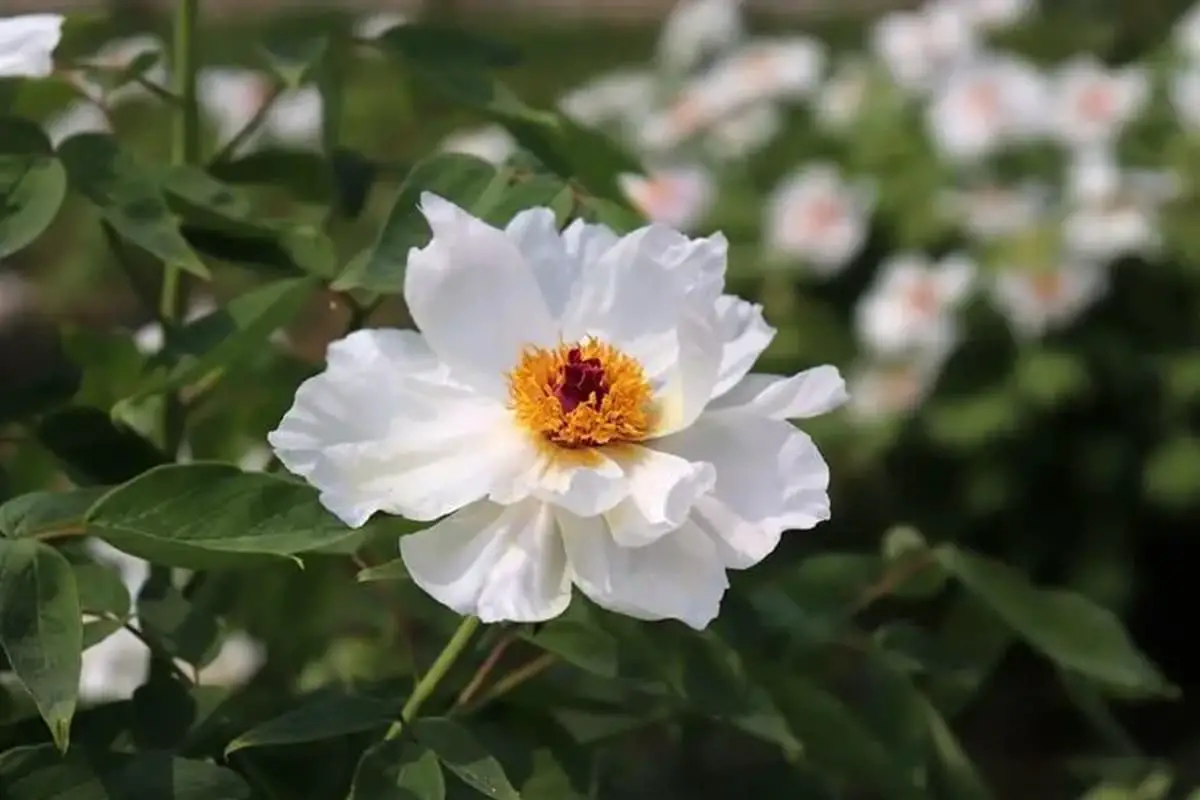
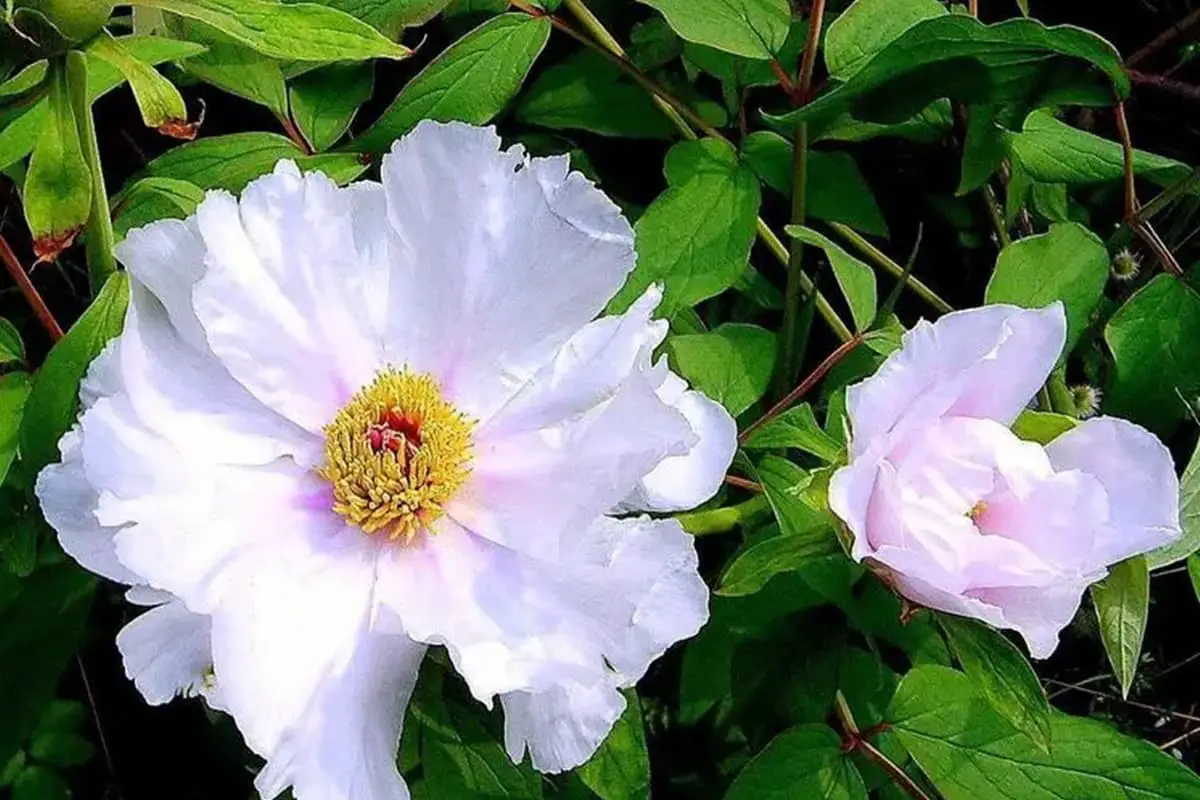
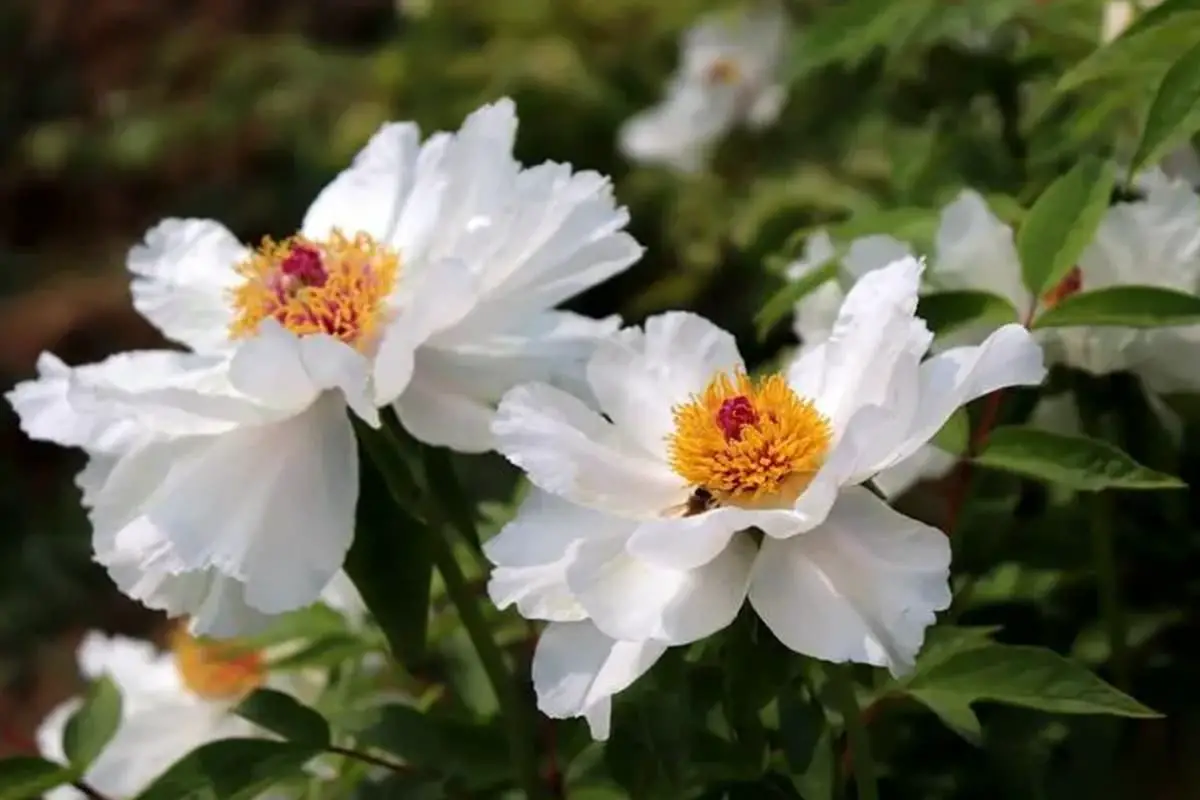
Paeonia ostii, commonly known as Phoenix Dan or Fengdan, is valued in traditional medicine for its root bark.
It boasts properties such as clearing heat, breaking up stasis, harmonizing the blood, easing pain, reducing fever, combating allergies, diminishing inflammation, killing bacteria, and enhancing immunity.
Renowned for its thick roots, meaty texture, abundant starch, fine woody core, numerous bright spots, and long shelf life without degradation, it is a staple in gynecological treatments and is famously used within the medicinal herb community.
Located on the southern bank of the Yangtze River, the Phoenix Mountain region is characterized by a subtropical humid climate with four distinct seasons, abundant rainfall, and a long frost-free period.
The area receives ample sunlight and has sandy loam soil (classified taxonomically as lateritic red sandy loam), ideal for cultivating Danpi (tree peony bark).
This region is free from industrial pollution and the use of chemical fertilizers and pesticides, resulting in well-protected plantations. Consequently, Danpi cultivated here is of superior quality and high economic value.
The tree peony bark from Phoenix, known as “Feng Dan,” requires this specific soil to grow its uniquely effective medicinal properties.
Due to the limited area of suitable sandy loam soil and unique climatic and environmental conditions, authentic Feng Dan cultivation has long been confined to a narrow range, rendering the supply of Feng Dan bark quite scarce and highly treasured.
Currently, there are 10,000 acres of ecological peony gardens, producing 1,000 tons of peony bark annually, with 700 tons being Feng Dan.
At the end of the 1990s, the price of Danpi significantly dropped due to the financial crisis in Southeast Asia, which was a major export market.
Danpi is a precious traditional Chinese medicinal material, known for its ability to relax tendons and activate blood circulation, clear stasis, cool the blood, reduce inflammation, sedate, alleviate pain, lower blood pressure, prevent spasms, and clear heat to dissipate blood stasis.
It also possesses preservative properties. The Danpi from Tongling, known for its superior quality and efficacy, features thick, straight roots with a powdery texture, rich aroma, and a white cross-section.
Tongling’s Feng Dan has long been renowned both domestically and internationally as an essential ingredient in many traditional Chinese medicine formulas and enjoys a high reputation in the global market.
Feng Dan requires four to five years of growth before harvest, which typically occurs in late autumn or early winter. At this time, the above-ground parts of the plant have wilted, and nutrients are concentrated in the roots.
Farmers carefully dig out the Feng Dan, remove the rootlets, clean off the soil, and dry them. They then start peeling from the thinner side roots, twisting at the thicker end to crack the bark, and stripping out the core.
After the wood core is removed, the bark undergoes processes like scraping, sorting, and packaging to become the finished product.
Feng Dan contains a variety of chemical components, including paeonol, paeoniflorin, polysaccharides, benzoic acid, sterols, and volatile oils.
The paeonol content is a primary indicator of Danpi’s quality. The main processed product is paeonol, which is used to treat cardiovascular diseases.
It also serves as an additive in daily chemical products like toothpaste, soap, and cologne, and has promising market potential for food preservation and health care.
Currently, dozens of prescriptions utilizing Danpi have been developed, and research on its medicinal properties, including its chemical components and pharmacological effects, has made significant progress.
Experimental studies have confirmed its efficacy in combating atherosclerosis, reducing blood pressure and blood sugar, preventing convulsions, protecting the liver, promoting diuresis, combating inflammation, and protecting myocardial cells and brain tissues, providing experimental evidence for further development of peony bark.
The peony flower is rich in nutrients, with high medicinal and edible value. The trend of consuming peony flowers has become increasingly fashionable and has led to many formulas.
Peony products include peony beverages, peony tea, peony liquor, peony sauce, and peony flower pastries. In addition to their health benefits, these products allow consumers to enjoy the rich fragrance of the petals.
After years of development, perfected formulas and complete processing techniques have been established. Currently, peony flower mooncakes and peony sauce are being produced in large quantities.

Peggie was once a high school mathematics teacher, but she set aside her chalkboard and textbooks to follow her lifelong passion for flowers. After years of dedication and learning, she not only established a thriving flower shop but also founded this blog, “Flowers Library”. If you have any questions or wish to learn more about flowers, feel free to contact Peggie.
 English
  العربية
  Bahasa Indonesia
  Deutsch
  Français
  Italiano
  Nederlands
  Português
  Русский
  日本語
日本語