The official flowers of Beijing are the chrysanthemum and the Chinese rose.
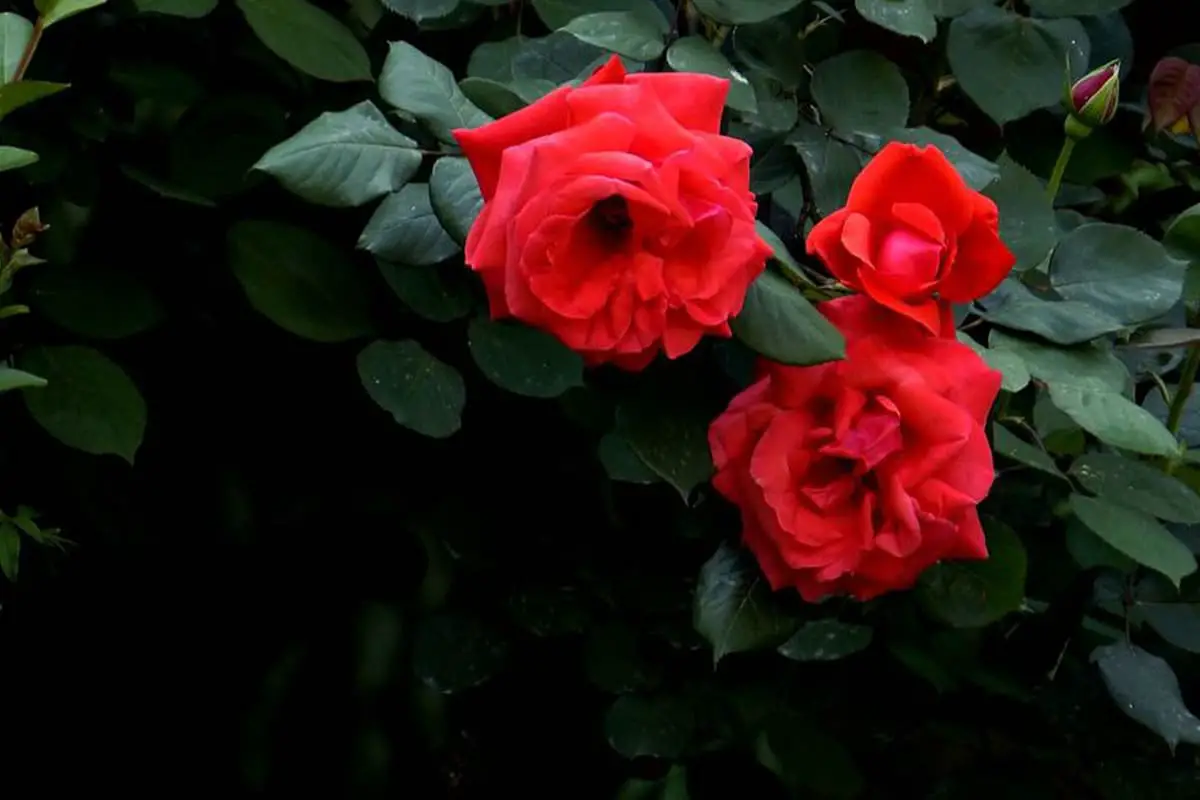
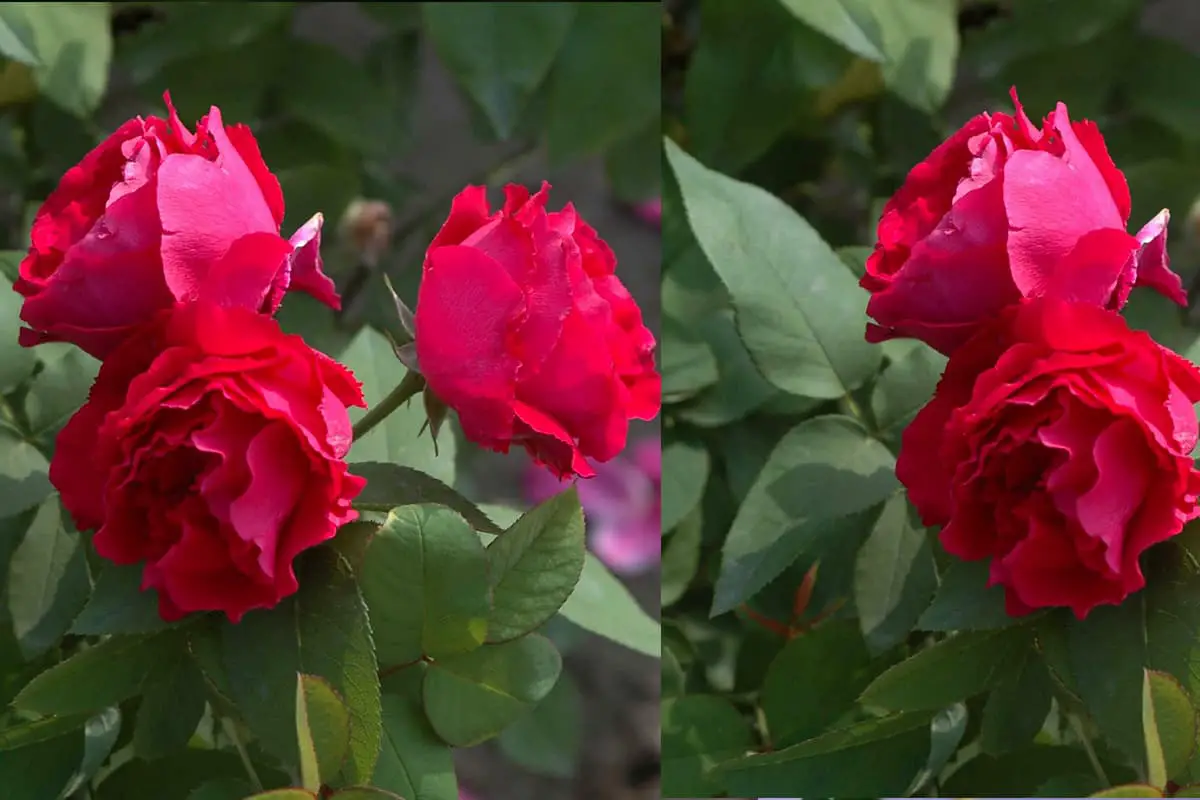
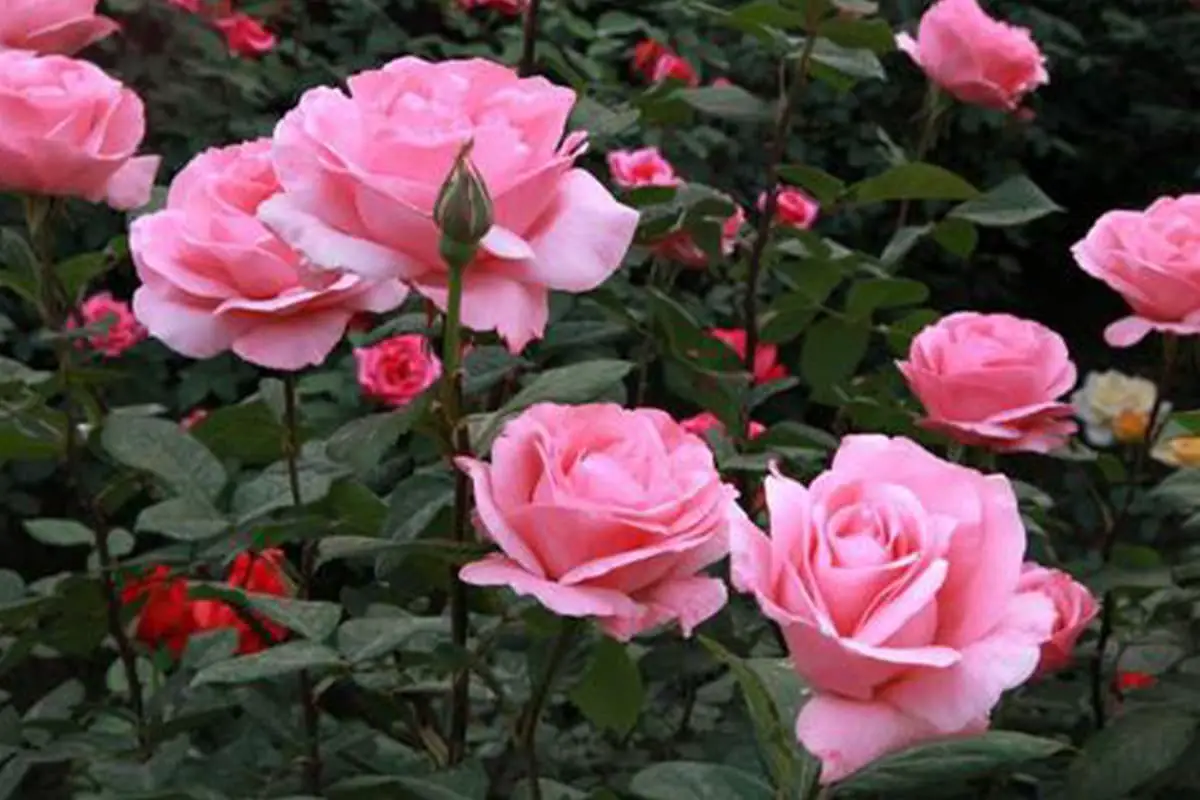
The Chinese rose is a native species of China with a cultivation history of a thousand years. Often hailed as the “Queen of Flowers” worldwide, over two centuries, more than 20,000 horticultural varieties have been created.
Also known as the “monthly red,” it belongs to the Rosaceae family. This evergreen, or semi-evergreen low-growing shrub, blooms all year round, mainly in red or pink, occasionally in white. It serves not only as an ornamental plant but also as a medicinal one.
Interpretation of the City Flower
A city flower represents a city’s representative flora, typically a commonly seen species in that city. The city flower is an essential symbol of a city’s image and serves as a hallmark of modern cities.
Many cities, domestically and internationally, have chosen their city flowers.
The selection of a city flower symbolizes a city’s unique cultural landscape, cultural heritage, and spirit. It reflects the harmony between humans and nature and holds significant implications for driving the development of related green industries, optimizing the city’s ecological environment, enhancing the city’s reputation and prestige, and strengthening the city’s overall competitiveness.
What Do They Symbolize?
Roses:
The rose, hailed as the queen of flowers, is a symbol of happiness and hope, making it the ideal gift for friends or loved ones, embodying wishes of their eternal happiness.
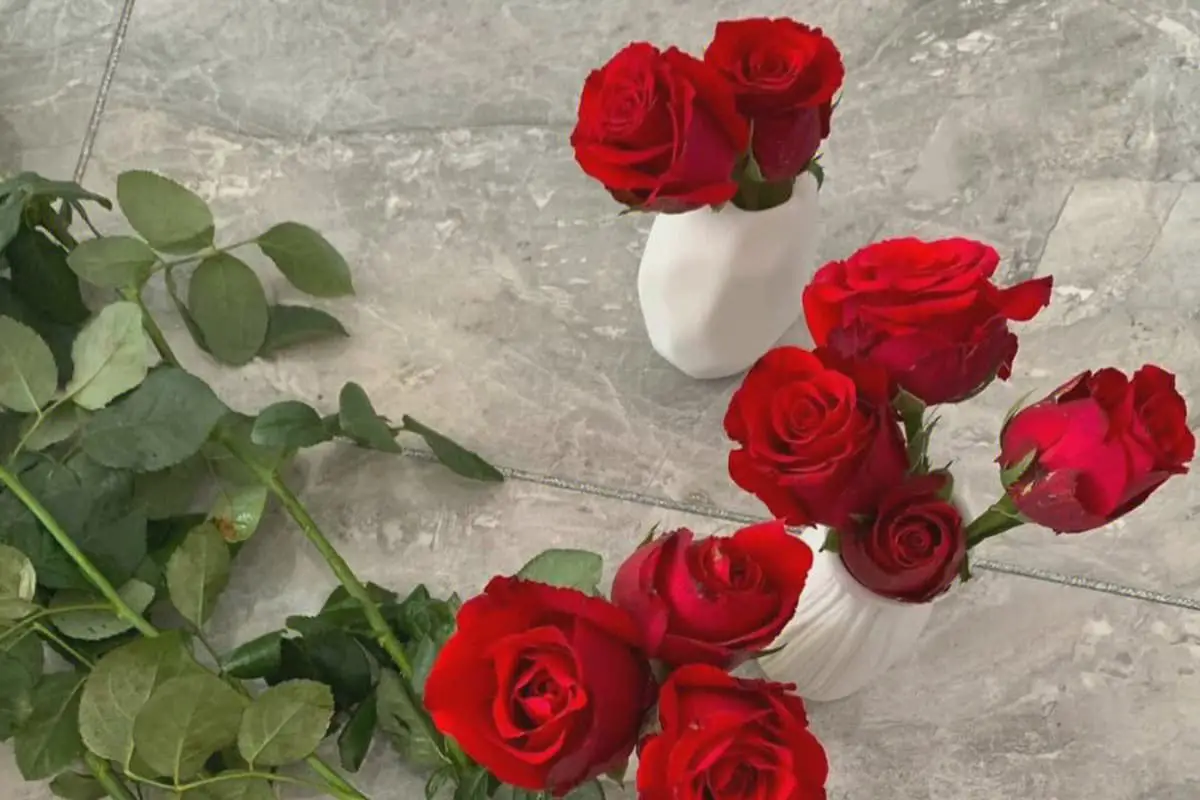
It also stands for love, making it suitable to give to your romantic partner or spouse to express your affection. Today, roses have become one of the best-selling fresh flowers for Valentine’s Day.
Chrysanthemums:
Chrysanthemums symbolize resilience, representing an unyielding spirit. As one of the “Four Gentlemen” among flowers, it has tenacious vitality. Ancients used it to compare their noble character. In addition, chrysanthemums also symbolize the remembrance of a departed loved one, often chosen in white for grave visits, expressing longing for those who have passed away.
City Flowers:
The chrysanthemum and the Chinese rose are representative city flowers.
Introduction to Chinese Rose:
Chinese Rose, scientifically known as Rosa chinensis and also known as perpetual rose, monthly red, evergreen rose, fighting snow red, and thin guest, belongs to the Rosaceae family. It originally comes from areas like Jiangsu, Zhejiang, Shandong, Hebei in China, but it’s now cultivated all over the country.
The Chinese rose is adaptable to various environments; it prefers a warm and cool climate with ample sunlight and is drought and cold-resistant.
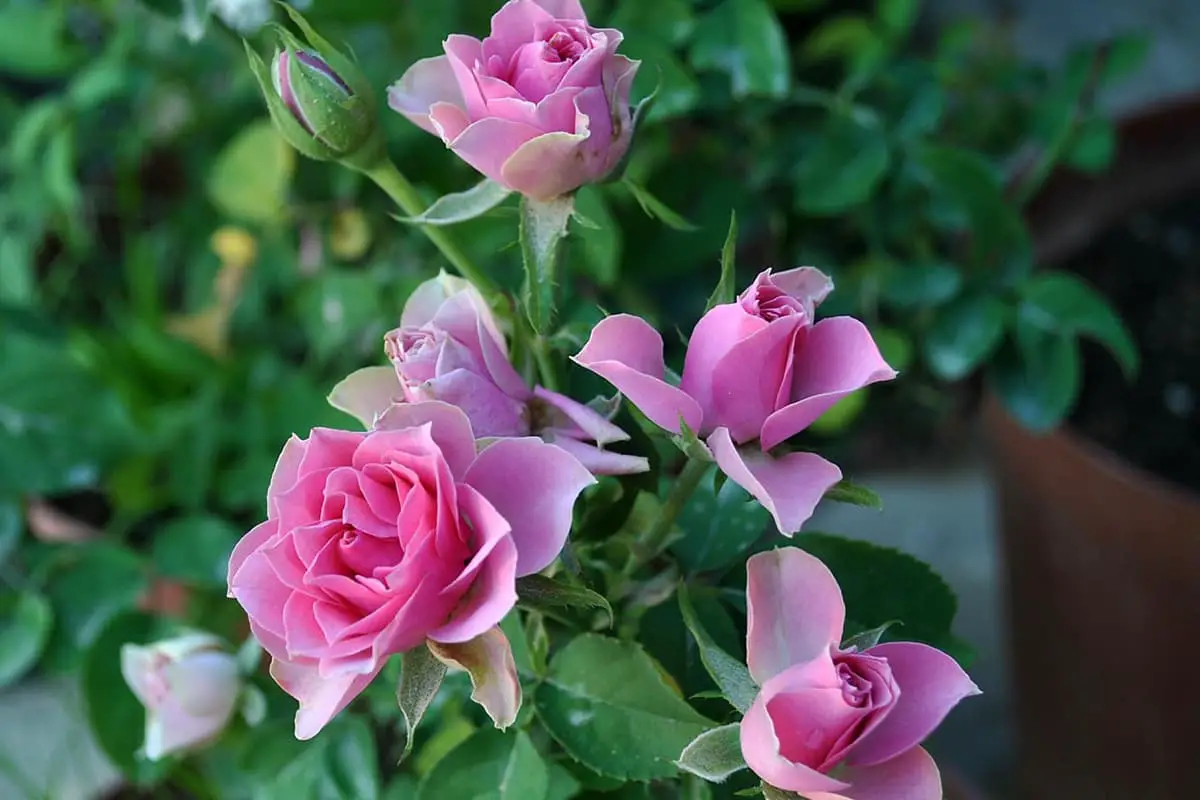
The species can be categorized into Chinese roses, miniature roses, multiflora roses, polyantha roses, grandiflora roses, single-flower large roses, and climbing roses.
The root, leaves, and flowers of the Chinese rose are used for medicinal purposes, having effects of invigorating the blood, detoxifying, and reducing swelling. Aromatic varieties can also be used to extract essence for consumption.
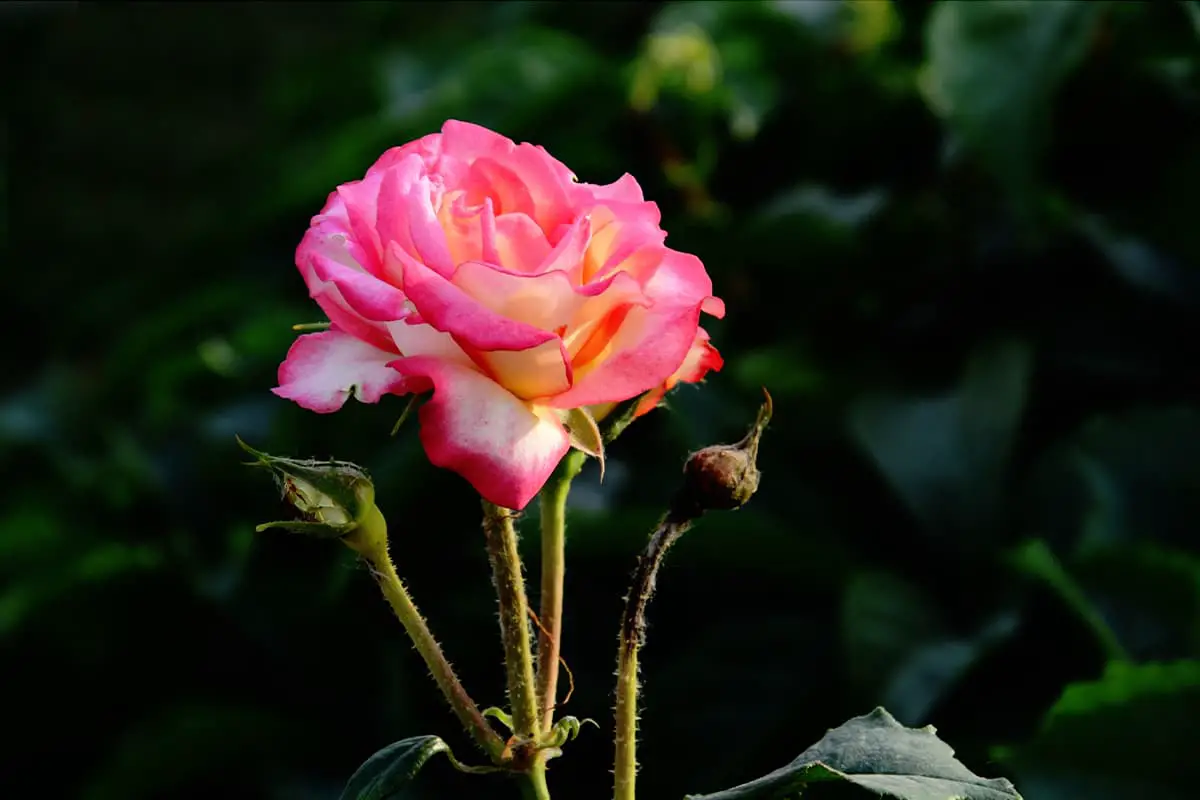
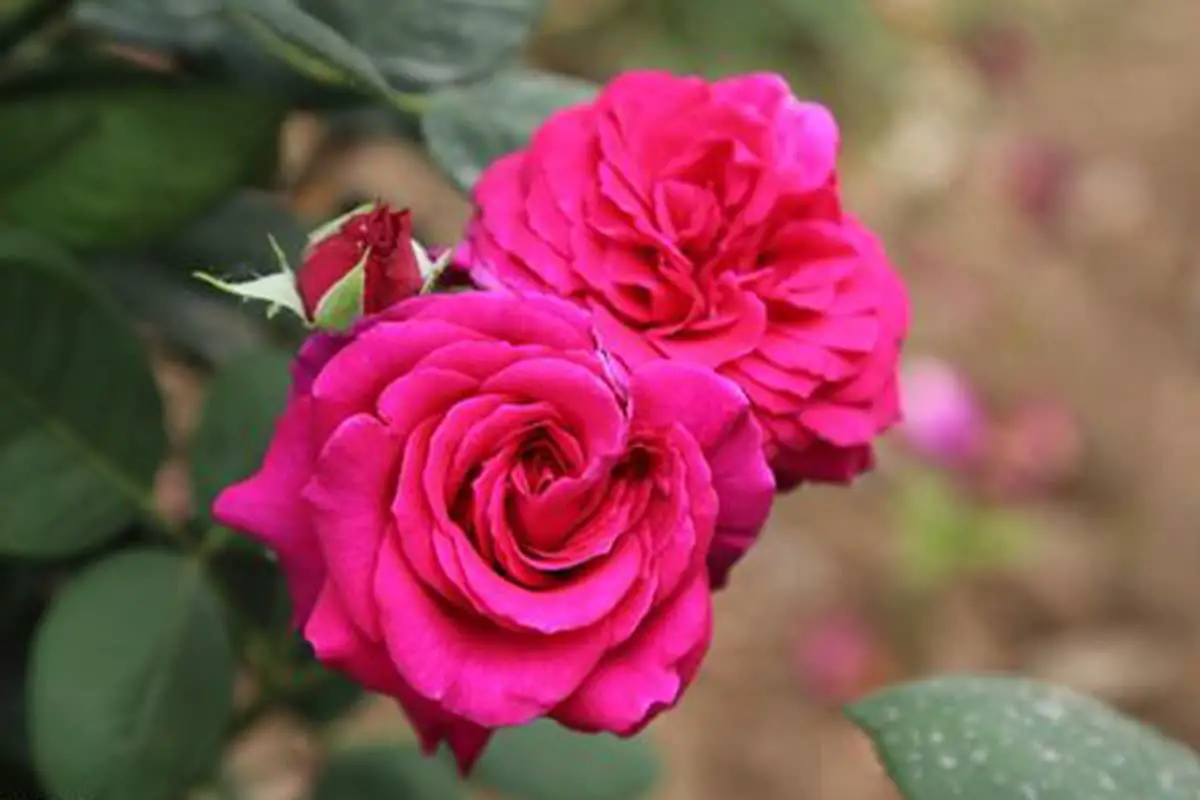
The Chinese rose is an evergreen or semi-evergreen shrub with hook-like thorns. It has 3-5 pinnate leaflets, and the flowers are often clustered with a faint scent. They are single-petaled, pink, or nearly white.
The use of Chinese roses is widespread. They can be planted in flower beds, flower borders, lawn corners, and can also be arranged into rose gardens. Climbing roses can be used on trellises, flower walls, hedges, and flower gates.
The Chinese rose can be used as a potted decoration and is also an important source for cut flowers.
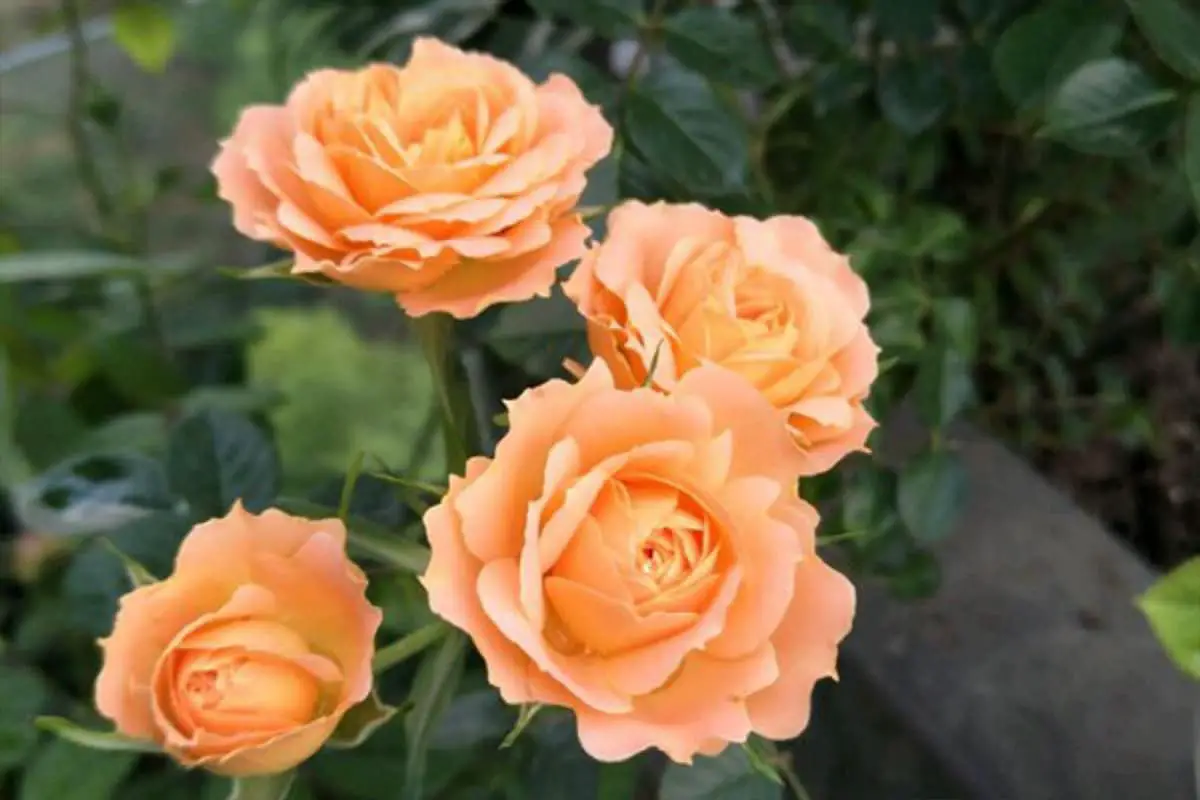
Its natural blooming period spans from May to November. With large and fragrant blossoms, it is widely used in horticultural cultivation and as cut flowers. The main varieties of Chinese roses include cut-flower roses, edible roses, climbing roses, and ground cover roses.
China is one of the original habitats of the Chinese rose. It serves as the city flower for cities such as Beijing, Tianjin, Handan, Shijiazhuang, Nanyang, and others. Red cut roses have become a must-have gift between lovers and a theme in love poetry.
Chinese roses exhibit good antifungal activity and cooperative antifungal drug resistance.
The difference between Chinese Rose and Rose:
Roses have taller stems, straighter thorns, smaller flowers, fewer color variations, and a shorter blooming period compared to the Chinese rose.
The stems are upright, the colors are diverse, the scent is rich, and the roses have 5-9 leaflets, but the leaf undersides are wrinkled, the leaf backs are white with small thorns, the entire leaf is relatively thick and the veins are concave.
Chinese roses have shorter stems, larger thorns, roughly 3-4 hooks per section; the flowers are larger, have more color variation, and have a faint or no scent, typically having 3-5 leaflets, the leaves are flat and smooth.
The main types of Chinese roses include edible roses, climbing roses (CI series), large-flower perfume roses (cut roses are mainly large-flower perfume roses) (HT series), polyantha roses (F/FI series), miniature roses (Min series), tree roses, grandiflora roses (Gr series), shrub roses (sh series), ground cover roses (Gc series), etc.
Connection between Chinese Rose and Rose
The roses sold as cut flowers in the market are actually cut Chinese roses, but people habitually call them roses, mainly influenced by Western culture. With the introduction of Western culture into China and the continuous influence of Western culture, a representative example is the culture of romance.
Westerners seek romance, and roses are the best gift a gentleman can give to express love to a lady. Westerners’ differentiation of roses is different from China’s. They like to call roses, rosa, and Chinese roses all “roses,” edible roses are called edible roses, and non-edible Chinese roses and rosa are called ornamental roses.
Therefore, in the West, whether it is a Chinese rose, rose, or rosa, it is called a rose; whereas in China, ancestors liked to make clear distinctions: edible ones are roses, shrubs are called Chinese roses, and climbers are called rosa.
Therefore, with the development of modern society, many people still do not have a clear concept of Chinese roses and roses, still firmly believing that the roses sold in flower shops are roses, but when they walk into a rose garden, they insist it is a Chinese rose. In fact, they are the same flower!
Introduction to Chrysanthemums:
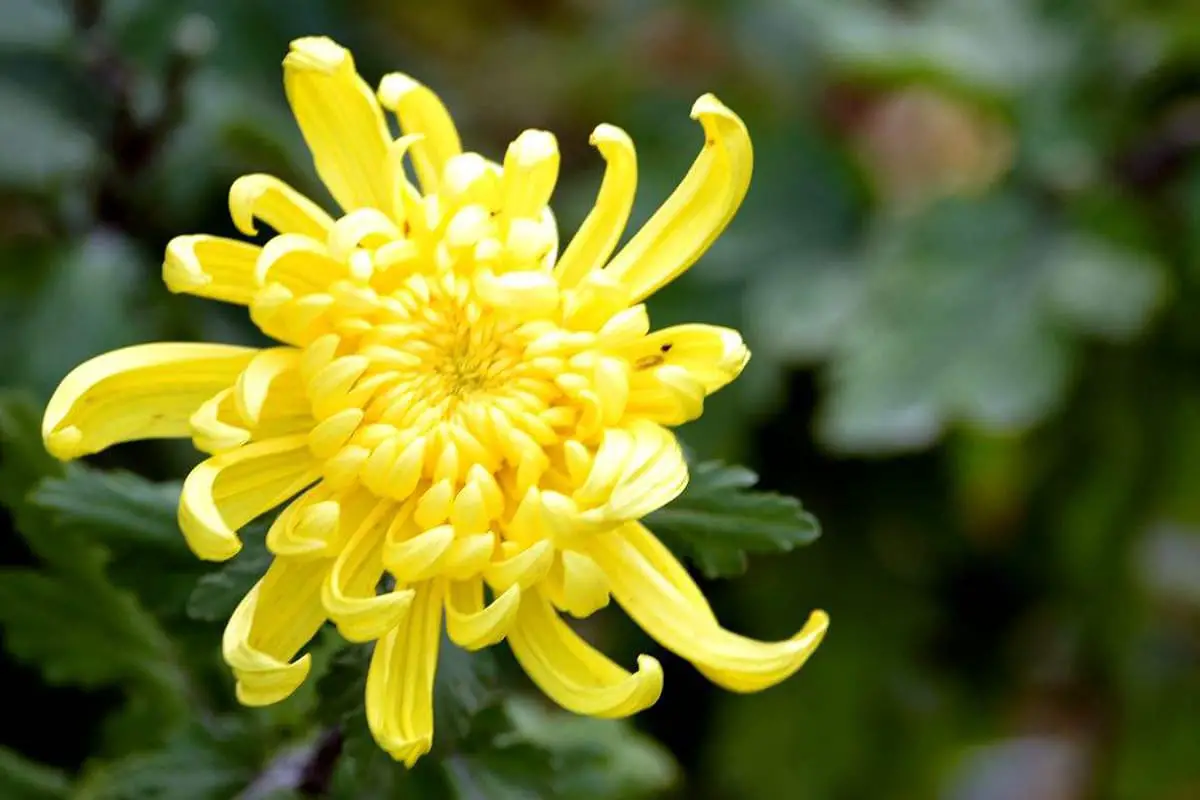
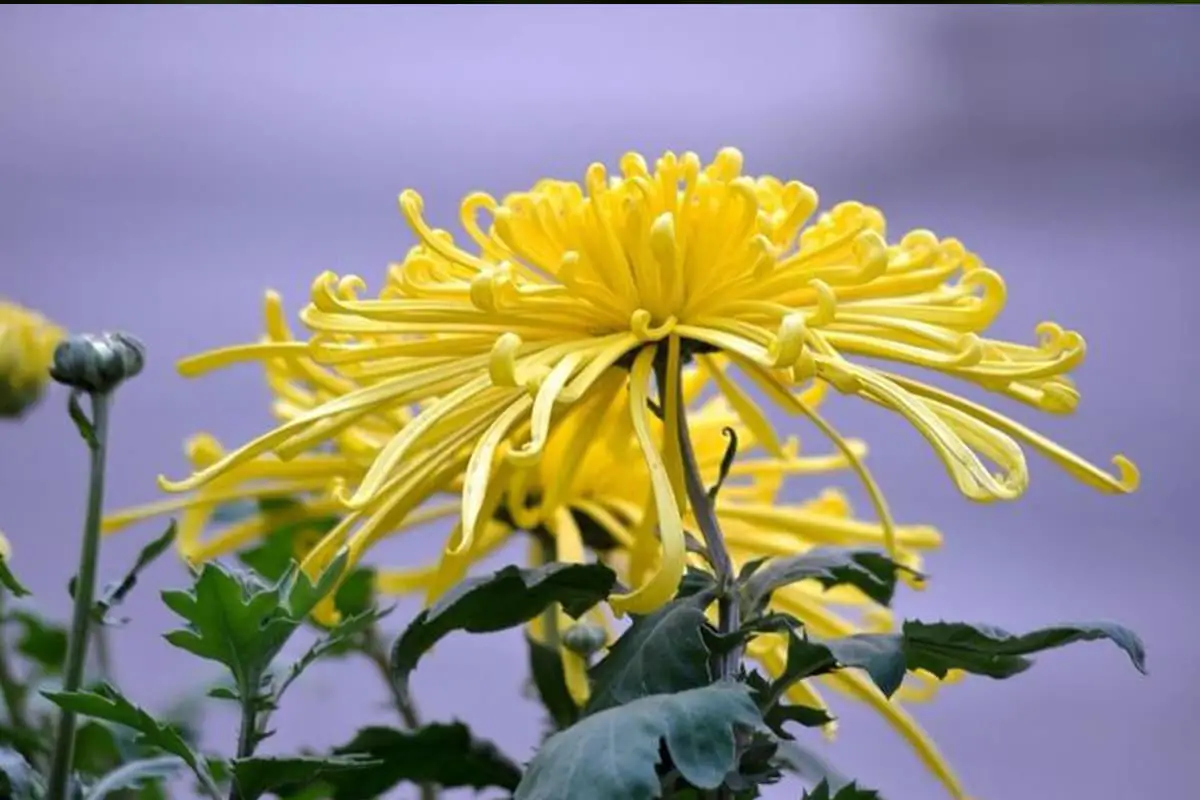
The chrysanthemum, one of the four gentlemen among flowers, is scientifically known as Dendranthema morifolium, also referred to as the floral chrysanthemum.
It’s also referred to as Chrysanthemum, Autumn Chrysanthemum, Jiu Hua, Yellow Flower, or Emperor’s Daughter Flower. It belongs to the Asteraceae family.
There are over 30 species of chrysanthemums, 17 of which are native to China, including wild chrysanthemum, hairy chrysanthemum, chamomile, small red chrysanthemum, purple wild chrysanthemum, etc.
They are perennial herbaceous plants. Chrysanthemums prefer cool, cold-tolerant conditions and can grow in slightly acidic to slightly alkaline soil. They are short-day plants that grow nutritionally under 14.5 hours of long daylight.
Over 12 hours of darkness and night temperatures of 10°C are suitable for bud development.
Chrysanthemum plants stand 20-200cm tall, with tender green or brown stems that are semi-woody at the base. The single leaves are alternately arranged, ovate to oblong. The edges have notches and serrations. The head inflorescence is borne at the top, with the ray florets being the female flowers.
The disk florets are bisexual. Ray florets are divided into lower, spoon-shaped, and abnormal four types. The disk florets develop into various colors of “Ray Petals”. Flower colors include red, yellow, white, purple, green, pink, mixed, intermediate and other color systems.
Chrysanthemums are one of the most important flowers used in landscaping, widely used in flower beds, ground cover, potted flowers, and cut flowers.
Share
Facebook
Twitter
LinkedIn
Email
Share is Caring.
Peggie
Founder of FlowersLib
Peggie was once a high school mathematics teacher, but she set aside her chalkboard and textbooks to follow her lifelong passion for flowers. After years of dedication and learning, she not only established a thriving flower shop but also founded this blog, “Flowers Library”. If you have any questions or wish to learn more about flowers, feel free to contact Peggie.
Before you go
You May Also Like
We picked them just for you. Keep reading and learn more!
The language of flowers, known as floriography, has ancient roots in civilizations such as Persia and the Middle East. This practice of assigning symbolic meanings to flowers gained widespread popularity…
The Bauhinia, with its purple-red blossoms resembling butterflies, presents an exceptional and vibrant spectacle. Its flowers bloom even before the leaves emerge, earning it the nickname “Full Red Branch.” Today,…
Introduction to Waling-Waling The Waling-Waling, scientifically known as Vanda sanderiana, is a captivating orchid native to the Philippines. Renowned for its stunning beauty and vibrant colors, this orchid has earned…
Introduction to West Indian Jasmine Introduction West Indian Jasmine, scientifically known as Ixora coccinea, is a vibrant and captivating flowering plant native to tropical and subtropical regions. This evergreen shrub,…
Introduction to the Urn Plant The urn plant, scientifically known as Aechmea fasciata, is a stunning member of the Bromeliaceae family. This exotic plant is easily recognizable by its rosette…
Introduction to Violet Violet, a color that sits at the intersection of blue and red on the color wheel, is often associated with depth, mystery, and spirituality. It is a…
Aesthetic Quotes about Plum Blossoms The wind keeps its appointments, the blossoms never falter, time delicately twirls around my fingers, and the years are imbued with the scent of plum…

 English
  العربية
  Bahasa Indonesia
  Deutsch
  Français
  Italiano
  Nederlands
  Português
  Русский
  日本語
日本語