Nematanthus wettsteinii, also known as Goldfish Plant, Kangaroo Vine, or Kangaroo Flower, is a perennial herb of the Gesneriaceae and Kangaroo Flower genus.
It originates from Costa Rica and Panama, favoring high temperature, high humidity, and shady environments. It thrives best in temperatures between 18-22°C and dislikes cold temperatures.
The Goldfish Plant is highly attractive, especially when in bloom, it looks like branches adorned with vibrant, life-like little goldfish. It is charming, highly ornamental, and easy to keep alive, making it an ideal plant for beginners.
I. Growth and Distribution
The Goldfish Plant originates from Costa Rica and Panama. It thrives in high temperature, high humidity, and shady environments, with optimal growth temperature being 18-22°C. It dislikes cold temperatures, with the lowest winter temperature being 13°C.
II. Morphology and Characteristics
The Goldfish Plant is a perennial herb, with a semi-woody base, slanting stem, growing 20-40 centimeters in length. The young stems are green, while the old stems are reddish-brown.
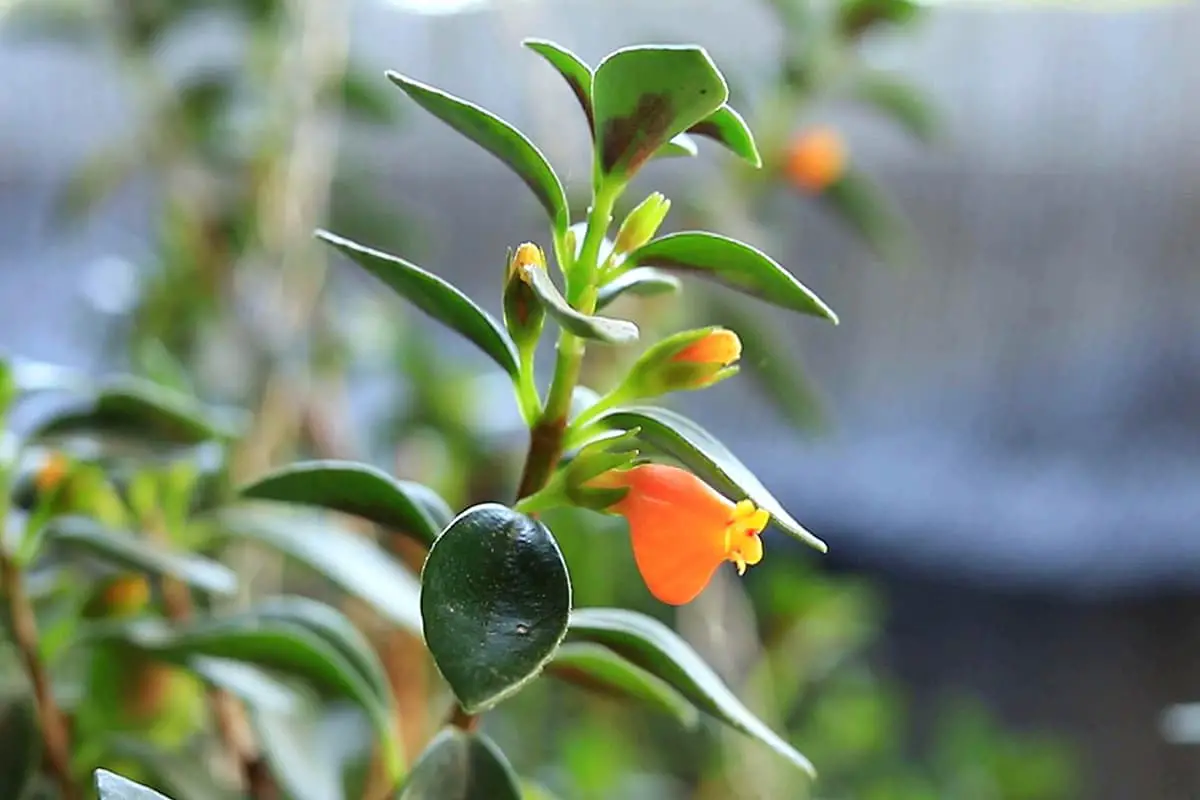
It has thick, compact, ovate leaves, approximately 3-4 centimeters long, with a pointed tip, and glossy dark green with a red underside near the main vein.
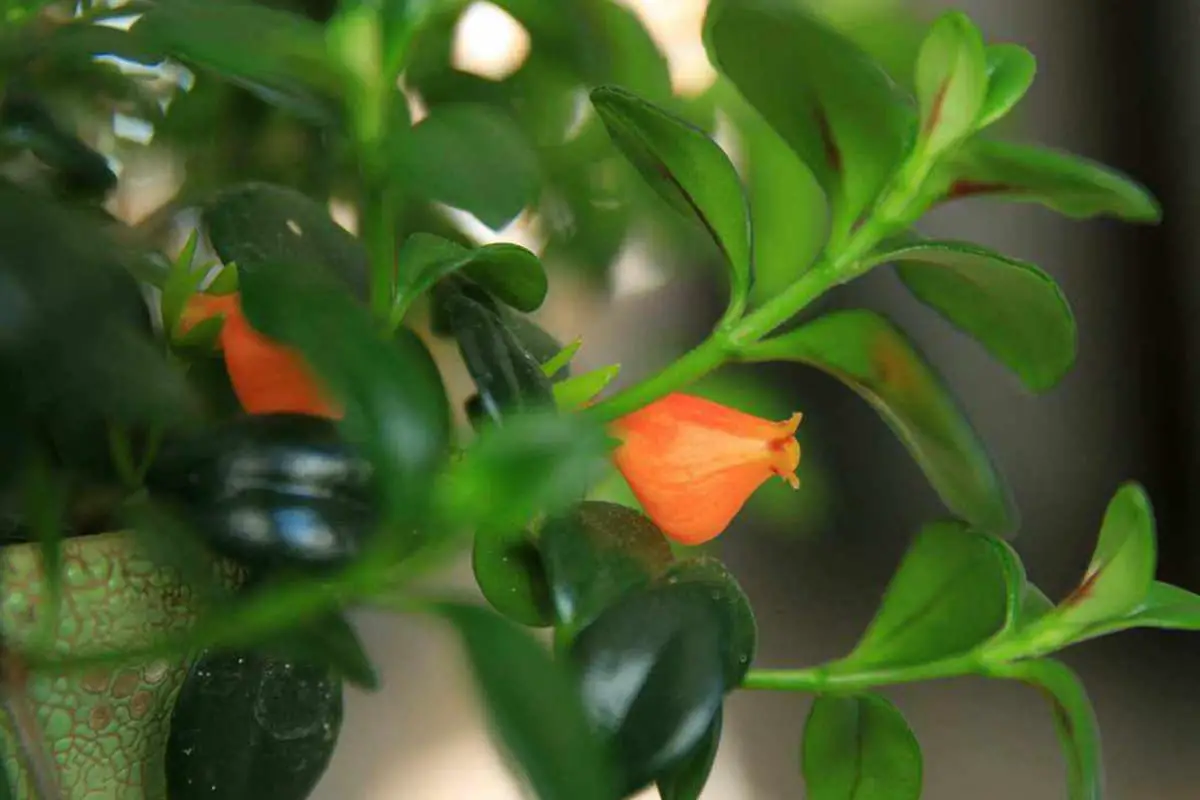
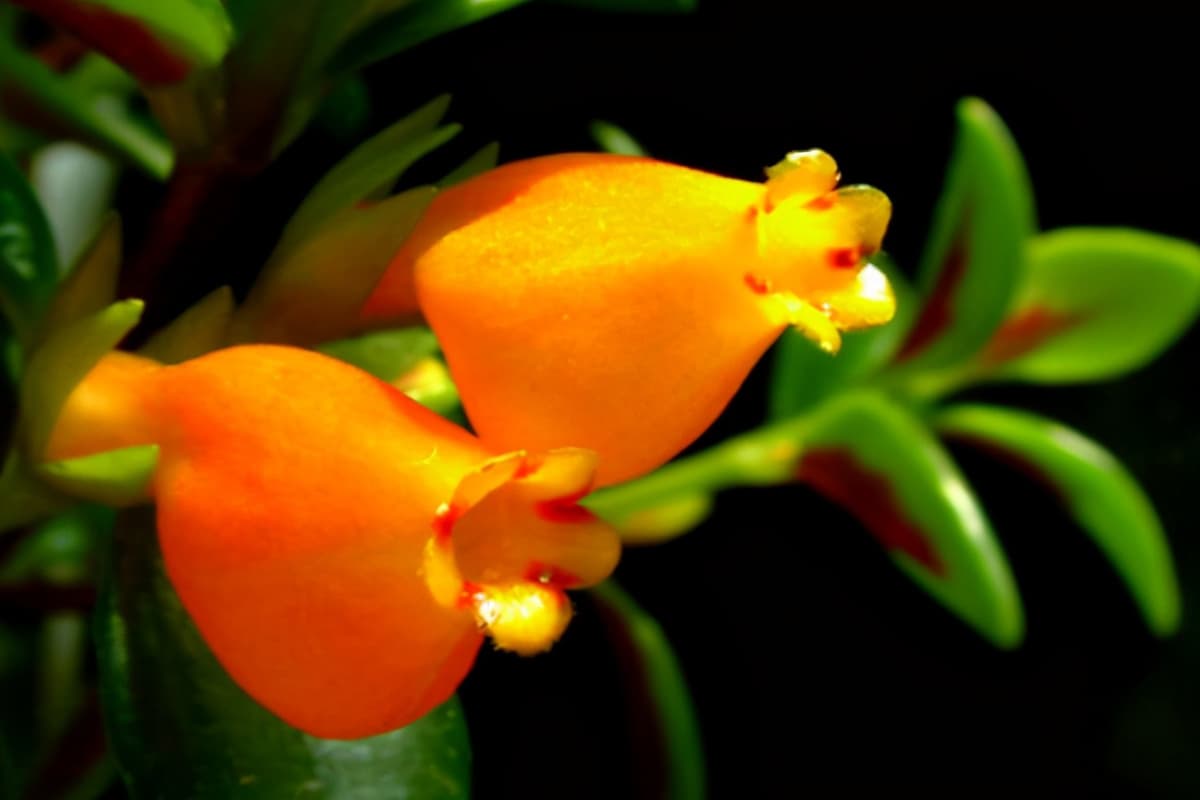
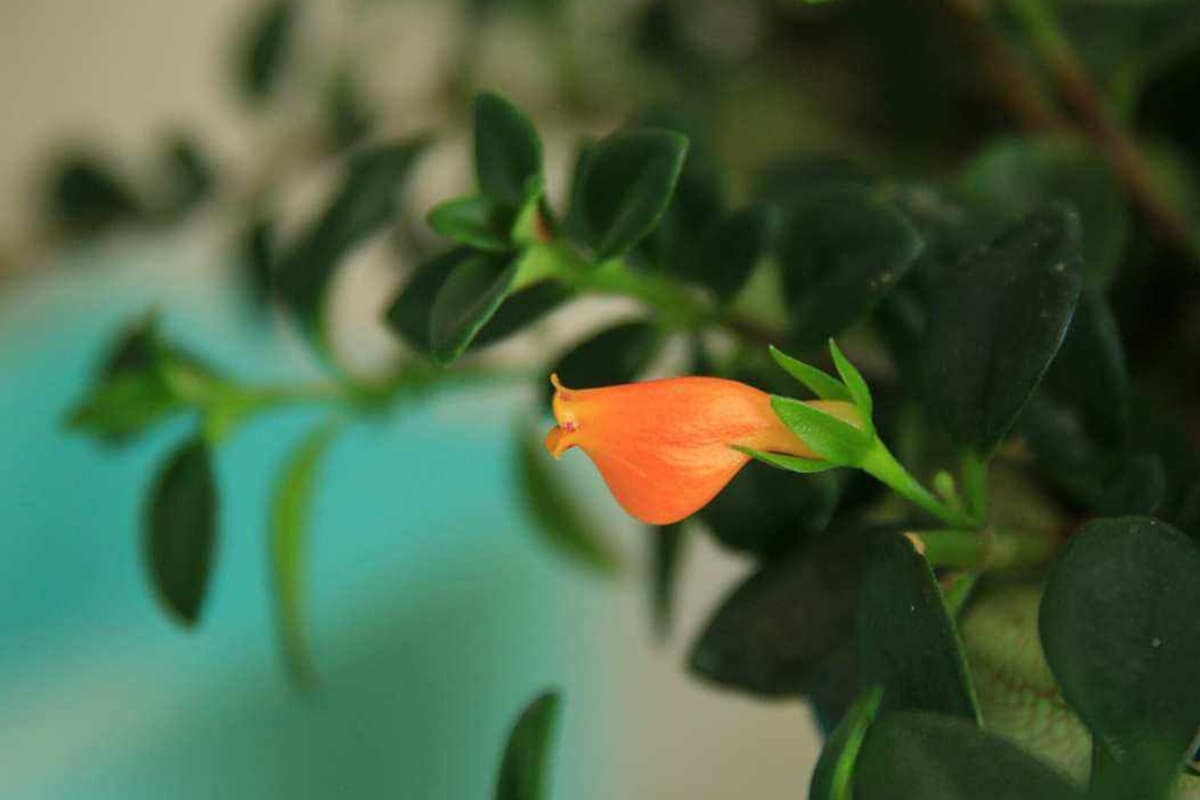
Flowers grow singly in the leaf axils, about 2-3 centimeters long, with five sepals and a labiate corolla. The lower part is swollen with five small slits at the tip, colored orange-red, with yellow slits and red in between. The small mouth and big belly resemble a goldfish.
III. Cultivation Method
Seedling Management
The Goldfish Plant can be marketed 6-7 months after rooting.
Watering
During the seedling stage, watering should follow the principle of seeing dry and seeing wet. The Goldfish Plant prefers a slightly acidic environment, so the pH of the water should be adjusted to around 6. Depending on its growth vigor, the frequency of watering can be increased.
Fertilizing
During the seedling stage, apply urea diluted 2000-3000 times with each watering to promote growth. Gradually adjust the concentration of the fertilizer to a 1000 times dilution based on the growth vigor.
During the vigorous growth period, use a water-soluble compound fertilizer with an NPK ratio of 20:20:20, applied once every 10 days at a concentration of 1000 times dilution.
When flower buds appear at the axillary buds, adjust the fertilizer to an NPK ratio of 10:20:30 to promote blooming, applied once every 10 days at a concentration of 1000 times dilution.
Growth Control
During the growth of the Goldfish Plant, control measures should be taken according to its growth vigor to facilitate blooming. Apply dwarfing agents 1-2 times based on its growth vigor, at a concentration of 1000 times dilution.
IV. Propagation Method
Preparation
Substrate Configuration
Crush peat with a particle size below 7 millimeters. Thoroughly mix peat and perlite in a volume ratio of 5:2. Disinfect the substrate with pentachloronitrobenzene and stir the fungicide and substrate at a weight ratio of 1:40. Cover with plastic film and let it sit for 48 hours.
Potting the Substrate
In production, the Spider Plant is not repotted from cutting to sale, so we use a 180# hanging pot for cuttings. While filling the pot with substrate, press it down to about 1-1.5 cm below the rim. After the substrate is filled, place it on the seedbed and thoroughly water it with tap water.
Cuttings and Rooting Powder Preparation
The Spider Plant is propagated by tender stem cuttings, mainly using the apical buds and stem segments. These should be chosen from vigorous, disease and pest-free branches.
Apical cuttings should have 4-6 mature leaves, and stem cuttings should have 2 leaves. The optimal length from the lowest leaf to the cut is 1.5-2 cm, and the cut should be smooth with no rough edges.
Avoid damaging the bud when cutting. To improve survival rates, treat with rooting powder. Use rooting liquid as needed. Use ABT2 rooting powder in production, at a concentration of 200-500 ppm.
Dissolve 1 gram of rooting powder in 100 ml of 75-95% alcohol, then dilute with 2-5 kg of water. Seal the solution for later use.
Cutting
Use cuttings as soon as they are cut.
Water the potted substrate thoroughly one day before cutting. Make small holes in the substrate with a wooden stick or wire, about 3-4 cm deep. The hole should be slightly larger than the cutting.
For a 180# pot, place 25 cuttings in each pot. During cutting, hold the cutting gently with your thumb, index, and middle finger. Dip the bottom of the cutting in the rooting liquid for 3-5 seconds, then place it about 2 cm deep in the hole.
Press the substrate gently with your thumb and index finger. Remove any rotting, broken, or diseased leaves immediately to prevent harm to other cuttings. After cutting, place the pot in a greenhouse.
Keep the greenhouse temperature between 20-28 degrees Celsius and humidity between 60-85%. Spray fungicide in the greenhouse every two days, and provide shade in the summer.
Post-Cutting Management
Spider Plant cuttings begin to root after about 7 days, reach 80% after about 15 days, and are fully rooted after about 20 days. Before rooting, be sure to remove any rotting cuttings to prevent the spread of diseases.
Once rooted, remove the plants from the greenhouse promptly as staying too long can cause excessive growth. After removal, place them in a well-ventilated area with bright scattered light.
V. Disease Prevention and Treatment
Diseases
The main diseases are leaf spot and anthracnose. Initial symptoms of leaf spot are yellow-brown, granular spots which can cause leaf drop, and if the temperature remains below 10°C for two consecutive days or consistently exceeds 30°C, the leaves will begin to yellow.
The stems will gradually become diseased. Timely treatment with 500 times diluted 50% carbendazim or 700 times diluted 75% chlorothalonil is recommended, with a focus on prevention.
Anthracnose presents as small spots on the leaves, with lighter brown interiors and slightly angular edges, differing in intensity, forming concentric ring patterns. These spots gradually enlarge, and in severe cases, can cause most of the leaf to wither and dry.
This disease is most likely to occur in winter. Low temperatures can cause 1-2 cm disease spots which gradually enlarge into yellow-brown circular spots. Spraying the leaves with 500 times diluted carbendazim or 1000 times diluted copper preparations every 7-8 days can lead to basic recovery.
Pests
The main pest is scale insects. They damage plants by sucking the sap, which not only stunts growth but also causes symptoms such as leaf yellowing and premature leaf drop. In severe cases, the plants wilt and die.
Adult scale insects are hard to kill, so prevention is key, with continuous medical treatment required. In greenhouses, spraying with 1000 times diluted dimethoate every 7 days is a common preventative measure.
VI. Value and Other
The Golden Pothos is suitable for potting and has high ornamental value.
Share
Facebook
Twitter
LinkedIn
Email
Share is Caring.
Peggie
Founder of FlowersLib
Peggie was once a high school mathematics teacher, but she set aside her chalkboard and textbooks to follow her lifelong passion for flowers. After years of dedication and learning, she not only established a thriving flower shop but also founded this blog, “Flowers Library”. If you have any questions or wish to learn more about flowers, feel free to contact Peggie.
Before you go
You May Also Like
We picked them just for you. Keep reading and learn more!
Neofinetia falcata, also known as the Wind Orchid or Samurai Orchid, is a miniature orchid species that packs a wealth of charm into its diminutive stature. This exquisite plant, prized…
Cuphea hookeriana, a member of the Lythraceae family, is a shrub or sub-shrub that stands 30-70 centimeters tall. Its erect form is characterized by a rough texture, covered with coarse…
The Spiraea japonica is an upright shrub in the rose family, capable of reaching 1.5 meters in height. Its slender branches are nearly cylindrical; winter buds are ovate, with several…
The Allium giganteum is a perennial bulbous flower from the Allium genus of the Amaryllidaceae family. Its root bulb is fleshy with an onion-like taste, and it features clumps of…
The Corydalis pallida is a grayish-green, clump-forming biennial herb with a foul odor, standing 20-60 cm tall. Its stems, which may be singular or numerous, emerge from the axils of…
The Lilium pumilum is a perennial herbaceous plant belonging to the genus Lilium in the Liliaceae family. Its bulbs are ovoid or conical, with white, elongated oval or elongated ovate…
The Prunus blireana ‘Meiren’, also known as the ‘Beauty Plum’, is a famous variety of plum blossom. It’s a horticultural hybrid that was cultivated by cross-breeding the double-petal pink plum…
The Oenothera speciosa, also known as the Showy Evening Primrose or Pink Ladies, is a perennial herb within the Onagraceae family. It has a large taproot that can reach a…
Lychnis coronata, also known as the Ragged Robin or Catchfly, is a vibrant and colorful flower that blooms from the start of summer until autumn. Its striking hues make it…


 English
  العربية
  Bahasa Indonesia
  Deutsch
  Français
  Italiano
  Nederlands
  Português
  Русский
  日本語
日本語