600+ Types of Flowers A To Z (With Names and Pictures)
Types Of Flowers By Names (A-Z) Types Of Flowers By Color Types Of Flowers By Season Types Of Flowers By Blooming Time 600+ Types of Flowers No. Flower Name No.…

The Malvaviscus arboreus, commonly known as the Turk’s Cap, is an evergreen shrub. It resembles the red hibiscus in appearance, standing 30-60cm tall with distinctive bright red flowers. It blooms throughout the year in abundance.
The Turk’s Cap is hearty, thriving in warm, humid, and sunny conditions. It is native to regions from Mexico to Peru and Brazil, but now grows in tropical and subtropical areas worldwide, including southern China where it is often found in the wild.
It is also commonly planted in courtyards in the south of China. The Turk’s Cap, with its bell-like shape, is both beautiful and charming, making it a prized choice for potted plants.
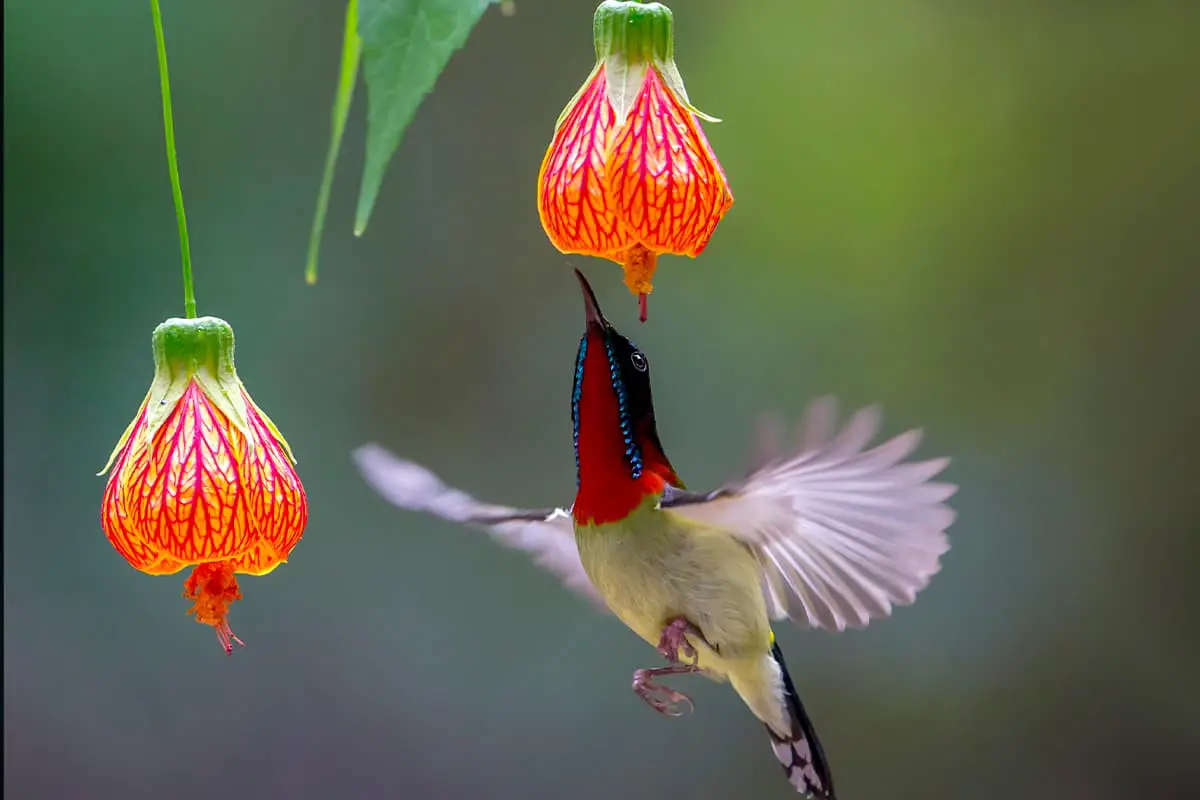
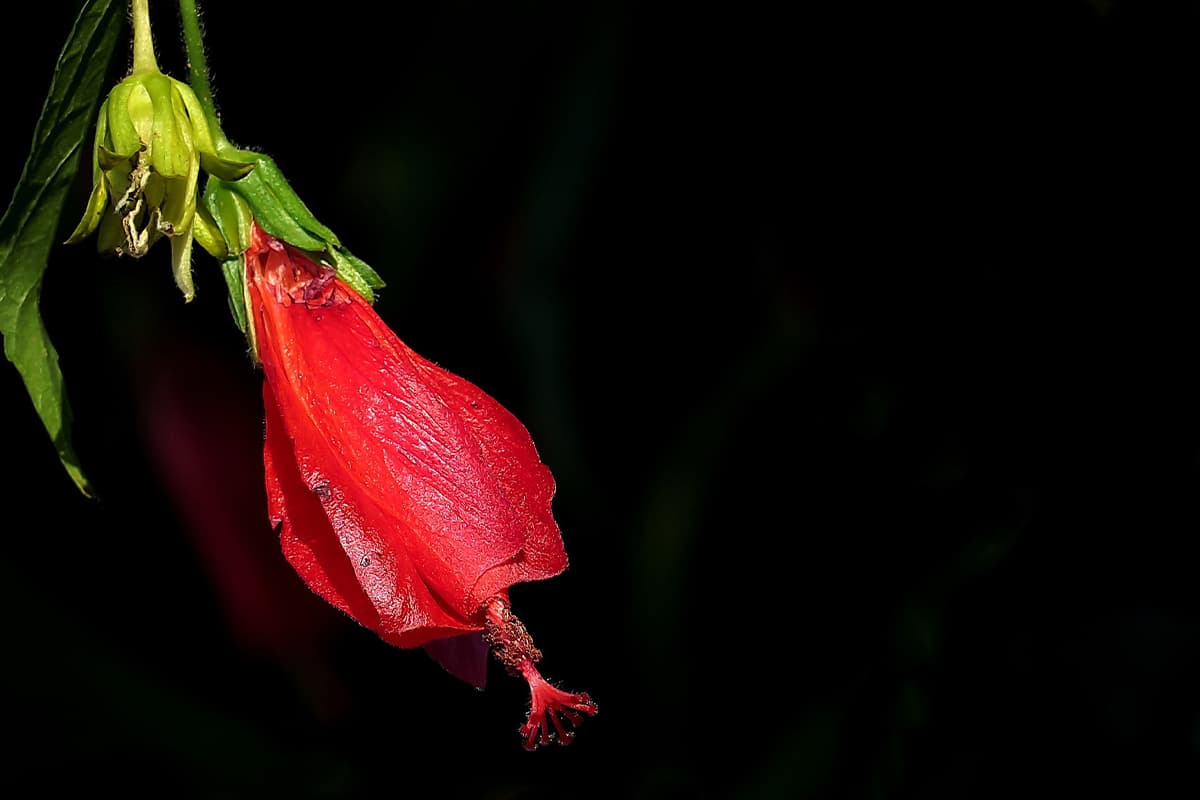
This evergreen shrub resembles the red hibiscus, but its leaves are narrower and a deeper green. Unlike other hibiscus species, its flowers never fully open.
The bright red petals curl into a spiral, creating a pendulous form. The long pistils and stamens protrude beyond the petals. The leaves are heart-shaped, with shallow bi-lobed or angular features.
The flowers hang downward. The leaves are stalked, arranged alternatively, and cluster at the end of the stem. They are oblong, tapering at the tip, with coarse serrated edges.
The main leaf vein is palmate, with five to seven veins. They are green and appear throughout the year, especially from March to August.

The Turk’s Cap often grows wild in tropical and subtropical regions of Asia and Africa, and is commonly planted in courtyards in southern China. It is not particular about the type of soil it grows in and can tolerate dampness.
It blooms all year round, but less so in winter. The Turk’s Cap is robust, preferring a warm, humid, and sunny environment. It is heat-tolerant, drought-resistant, and thrives in impoverished soil.
However, it cannot tolerate frost or heavy shade, and it dislikes waterlogged conditions. It grows rapidly in fertile, loose, well-drained, slightly acidic soil. The temperature in winter should not drop below 8℃.
The soil should be kept moist in the summer, and while it enjoys sunlight, it needs protection from extreme sun exposure. It also responds well to pruning.
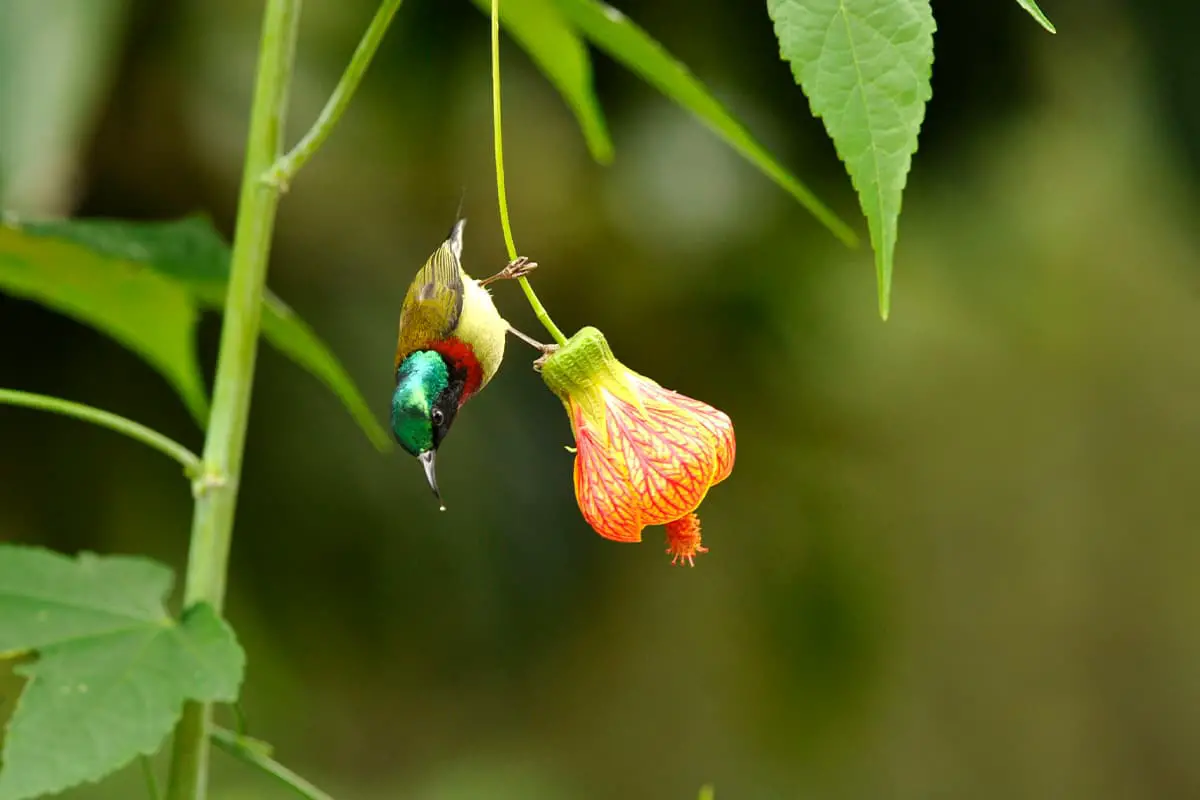
The Turk’s Cap is native to Mexico, Peru, and Brazil in South America. It is now found in tropical and subtropical regions around the world.
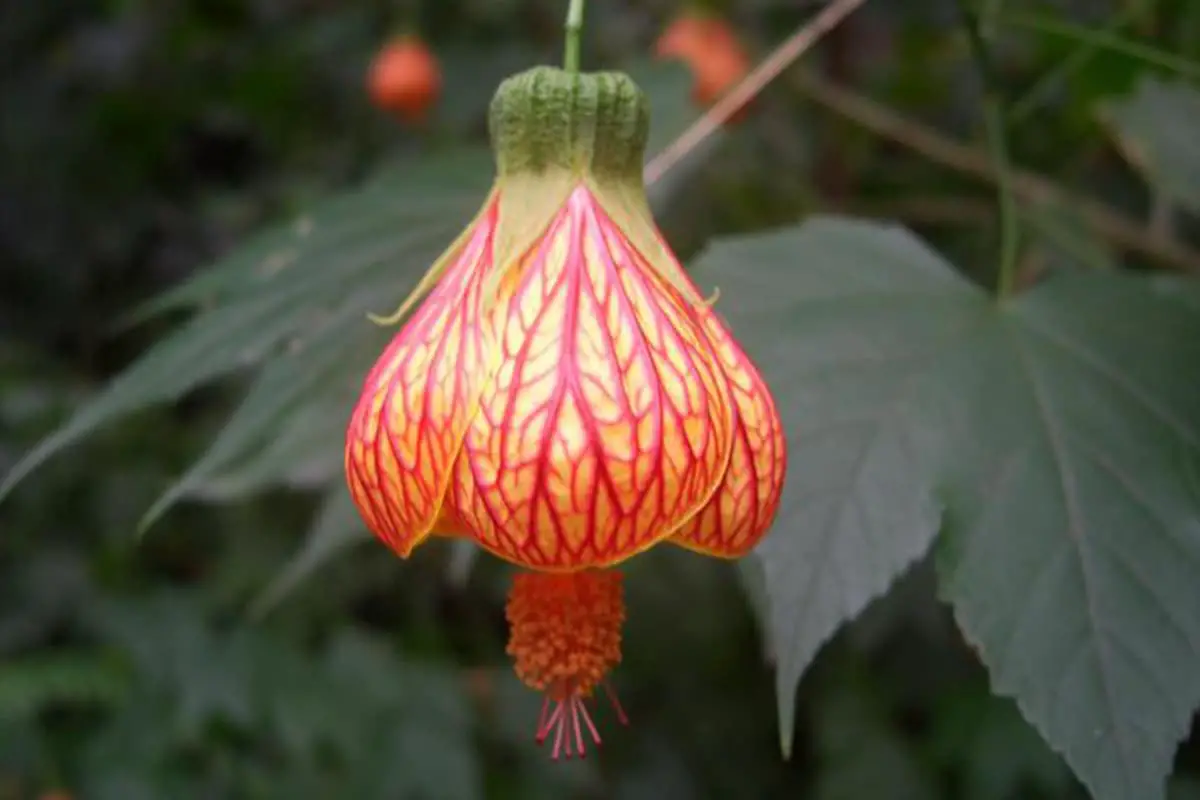
The Abutilon, beautiful and ever-blooming, is easy to cultivate, making it a valuable ornamental plant. This evergreen shrub is highly adaptable with its bright red and unique flowers, blooming throughout the year in tropical areas.
It’s not only suitable for gardens, green spaces, and as a companion to roadside trees, but can also be planted in flower beds, hedges or naturally. It can also be shaped and potted for ornamental purposes. In Nanjing, it is often kept as an indoor potted plant.
The Abutilon has the ability to absorb smoke and purify harmful gases, making it suitable for greening industrial and mining pollution areas.
The flower language of the Abutilon is: brimming with talent.

Peggie was once a high school mathematics teacher, but she set aside her chalkboard and textbooks to follow her lifelong passion for flowers. After years of dedication and learning, she not only established a thriving flower shop but also founded this blog, “Flowers Library”. If you have any questions or wish to learn more about flowers, feel free to contact Peggie.
 English
  العربية
  Bahasa Indonesia
  Deutsch
  Français
  Italiano
  Nederlands
  Português
  Русский
  日本語
日本語