Malus spectabilis, popularly known as the pear blossom crabapple, is a highly favored variety. Not only does it boast vibrant flowers, but its fruits are also exquisitely appealing. The tree bark is smooth and gray-brown in color.
Leaves are alternately arranged, elliptical to oblong, with a slightly pointed tip and a wedged base. The edges feature blunt teeth, and the surface is a glossy deep green, while the backside is a gray-green with short, soft hairs.
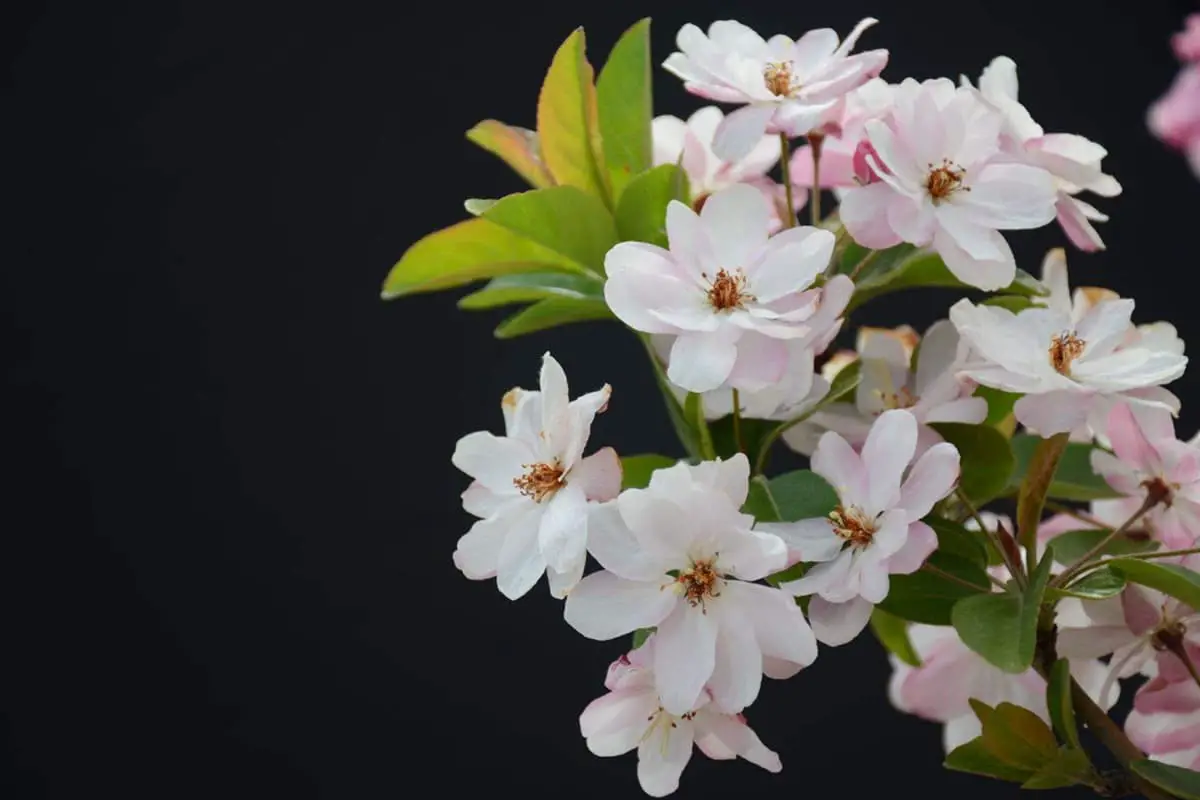
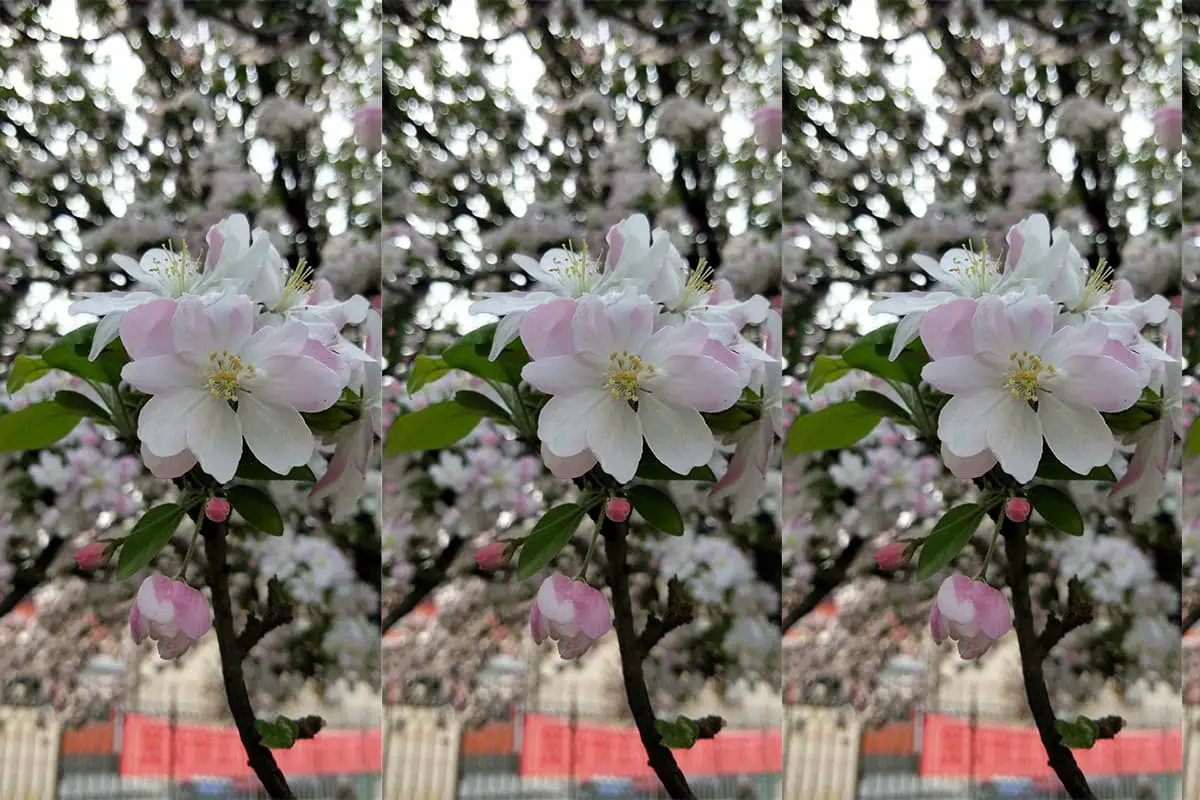
The leaf stalk is slender, with two lanceolate stipules at the base. The flowers, clustered in groups of five to seven, form a umbel-like inflorescence. Initially red, they gradually turn pink once they bloom. This plant is perfect for courtyard greening or as a bonsai for viewing.
I. Basic Introduction
The pear blossom crabapple, with its vibrant flowers and beautiful fruit, is a deciduous shrub. Its bark is smooth and gray-brown. The alternately arranged leaves are elliptical to oblong, with a slightly pointed tip, a wedged base, and blunt teeth on the edges.
The leaf surface is a deep, glossy green, while the back is a gray-green with short, soft hairs. The leaf stalk is slender and has two lanceolate stipules at the base. The flowers, forming a umbel-like inflorescence, are clustered in groups of five to seven.
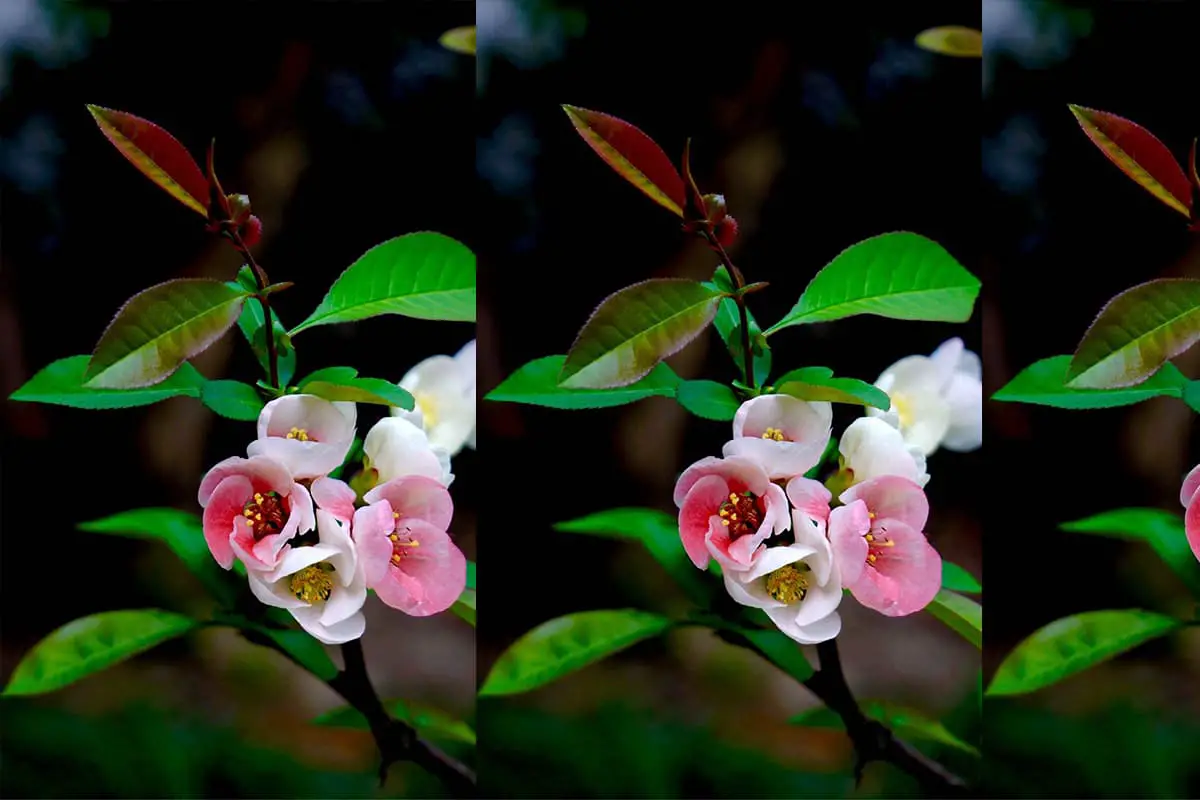
They are red before blooming and gradually turn pink after. Most of them are semi-double, with few single petals. The fruit is spherical and yellow-green.
II. Growth and Distribution
Growth Environment
The pear blossom crabapple thrives in a warm environment, loves sunlight, is cold-resistant, and prefers moisture. However, it is quite drought-tolerant. It favors fertile soil with good drainage.
III. Features and Characteristics
The pear blossom begonia, belonging to the rose family and apple genus, is a deciduous shrub. Originally native to the northwest and central regions of China, it is now cultivated nationwide.
The leaves are ovate, with long petioles, and the flowers are pure white, resembling pear blossoms, hence the name. The flowers bloom in clusters at the top. They bloom from March to April, and the fruits turn yellow when ripe, which happens around August to September.
IV. Cultivation Methods
If you want the pear blossom begonia to bloom during the Spring Festival, you can dig it up from the ground two months in advance and place it in a well-ventilated indoor area with plenty of sunlight.
Raise the room temperature to 15°C and spray water every three days. After the flower buds form, to make the flowers robust and the leaves a deep green, lower the room temperature to 5-8°C. This process is called “cooling the flower”.
Don’t move the plant outside during this process to avoid frost damage. Make sure it gets plenty of sunlight and ventilation. Follow this method for 5-7 days. If done correctly, the flower will bloom before the Spring Festival.
If you need the flowers urgently, you can raise the room temperature to 15-20°C and spray water once a day. The flower will bloom in 25 days this way.
V. Propagation Methods
The pear blossom begonia can be propagated by grafting and budding.
Grafting should be done in February when the branches start to sprout, using two-year-old sand fruit or apple branches as rootstocks. The grafting method is the same as for other flowers.
After grafting, cover with soil, leaving three to five centimeters exposed. When the buds grow, don’t remove the soil, let it continue to grow, and transplant it into a pot the following year.
During high grafting, after following the grafting operation, cover it with a plastic bag to protect it from wind and cold, and promote early healing.
Once you see the graft sprouting through the plastic bag, cut a small hole in the bag to supply oxygen to the graft, promoting its robust growth.
Budding should be done in July, following the same method as for other flowers.
Grafting will bloom in two years, and budding will bloom in three years.
VI. Value and Other Aspects
Main Value
The pear blossom begonia can be planted singly, in clumps, in rows, or in groups to beautify gardens, green spaces, streets, factories, courtyards, and scenic areas. The flowers are edible and can be used medicinally.


 English
  العربية
  Bahasa Indonesia
  Deutsch
  Français
  Italiano
  Nederlands
  Português
  Русский
  日本語
日本語