38 Flowers That Start With L
1. Lagerstroemia Indica Lagerstroemia indica, commonly known as Crape Myrtle, is a deciduous shrub or small tree belonging to the Lythraceae family. It is characterized by a tall trunk with…

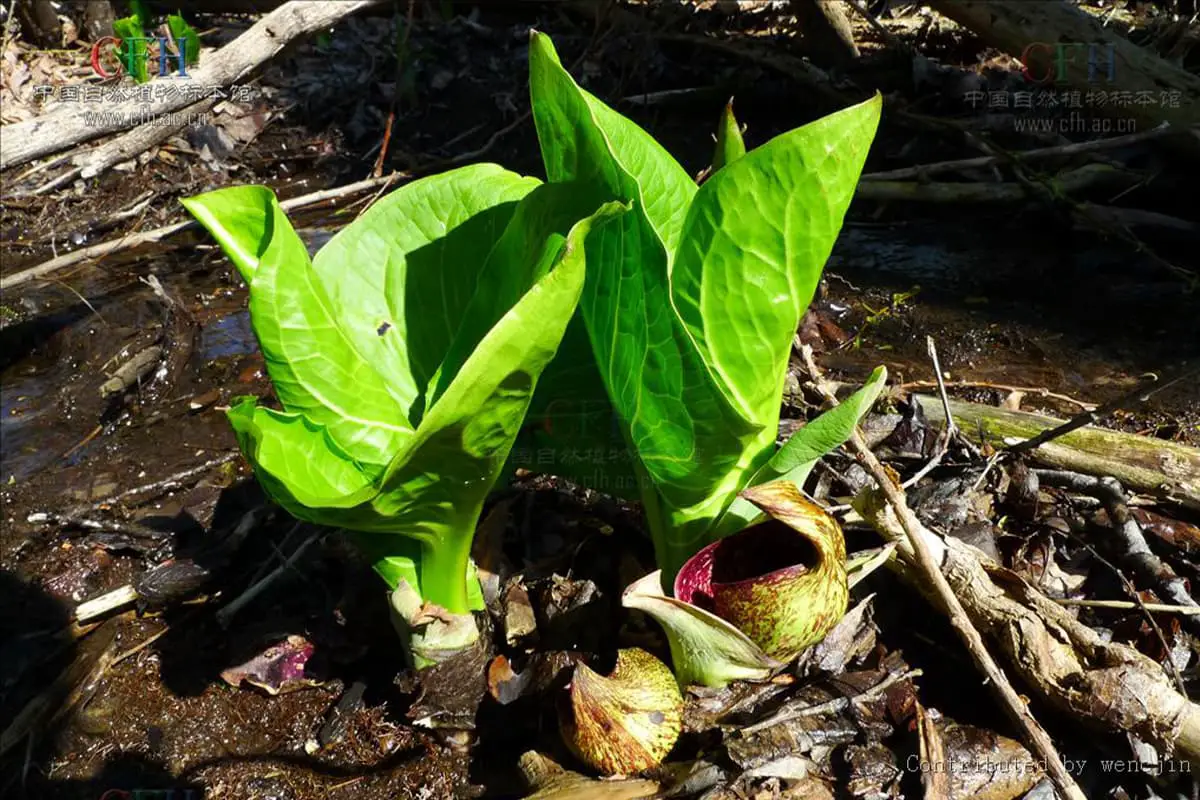
Lysichiton americanus Hultén, also known as the Western Skunk Cabbage or Swamp Lantern, thrives in marshes and moist forests. It is predominantly found in the rivers and wet areas of the Pacific Northwest in the United States. Its distribution extends from Kodiak Island, Cook Inlet, southern Alaska, to northern California and the city of Santa Cruz.
Some populations are also spotted in the northeastern part of Washington, northern Idaho, Montana, and Wyoming.
One notable characteristic of this flower is its pungent odor, which permeates its growth areas and persists even when the plant is dried for specimen purposes. This scent attracts its pollinators, such as foraging flies and bees.
Habitat
It grows in marshes and moist forests.
Distribution
The Western Skunk Cabbage is found in locations ranging from Kodiak Island, Cook Inlet, and southern Alaska, to northern California and the city of Santa Cruz. Some populations are also present in the northeastern part of Washington, northern Idaho, Montana, and Wyoming.
In addition, Western Skunk Cabbage also populates the marshy wilderness of England, such as Asher Park and Wesley Garden, as well as the ancient Picot area in Fergenden Town, Perthshire, Scotland.
A striking feature of this plant is the strong, disagreeable odor it emits, which pervades its growing areas. The scent remains even when the plant has been dried for specimen collection. This odor attracts its pollinators, like foraging flies and bees.

Peggie was once a high school mathematics teacher, but she set aside her chalkboard and textbooks to follow her lifelong passion for flowers. After years of dedication and learning, she not only established a thriving flower shop but also founded this blog, “Flowers Library”. If you have any questions or wish to learn more about flowers, feel free to contact Peggie.
 English
  العربية
  Bahasa Indonesia
  Deutsch
  Français
  Italiano
  Nederlands
  Português
  Русский
  日本語
日本語