600+ Types of Flowers A To Z (With Names and Pictures)
Types Of Flowers By Names (A-Z) Types Of Flowers By Color Types Of Flowers By Season Types Of Flowers By Blooming Time 600+ Types of Flowers No. Flower Name No.…

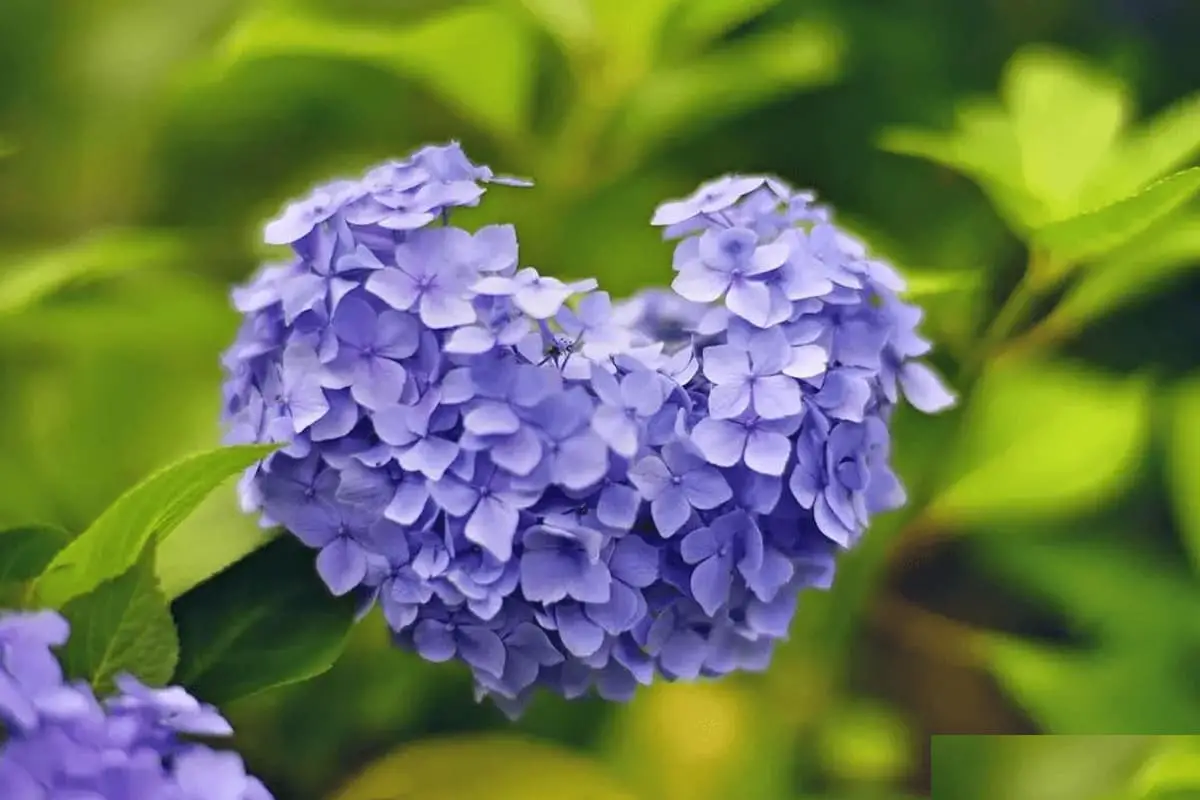
The Endless Summer, scientifically known as Hydrangea macrophylla, is a variant of the hydrangea family and the most famous of its kind.
With flower heads measuring at least 18cm in diameter, it can bloom in both blue and pink colors, making it popular both domestically and internationally upon its release.
The Endless Summer was discovered in a garden in Cottage Grove, a suburb of St. Paul, Minnesota, by a salesperson from Bailey Nurseries in the mid-1980s. In 2003, Bailey Nurseries introduced it under the name “Endless Summer” and applied for new variety protection.
The most significant feature of the Endless Summer hydrangea is its ability to bloom repeatedly, which is why it is named “Endless Summer” – its blooming season stretches from late spring through summer and into autumn. In some regions where winters are not very cold, it can even bloom in winter.
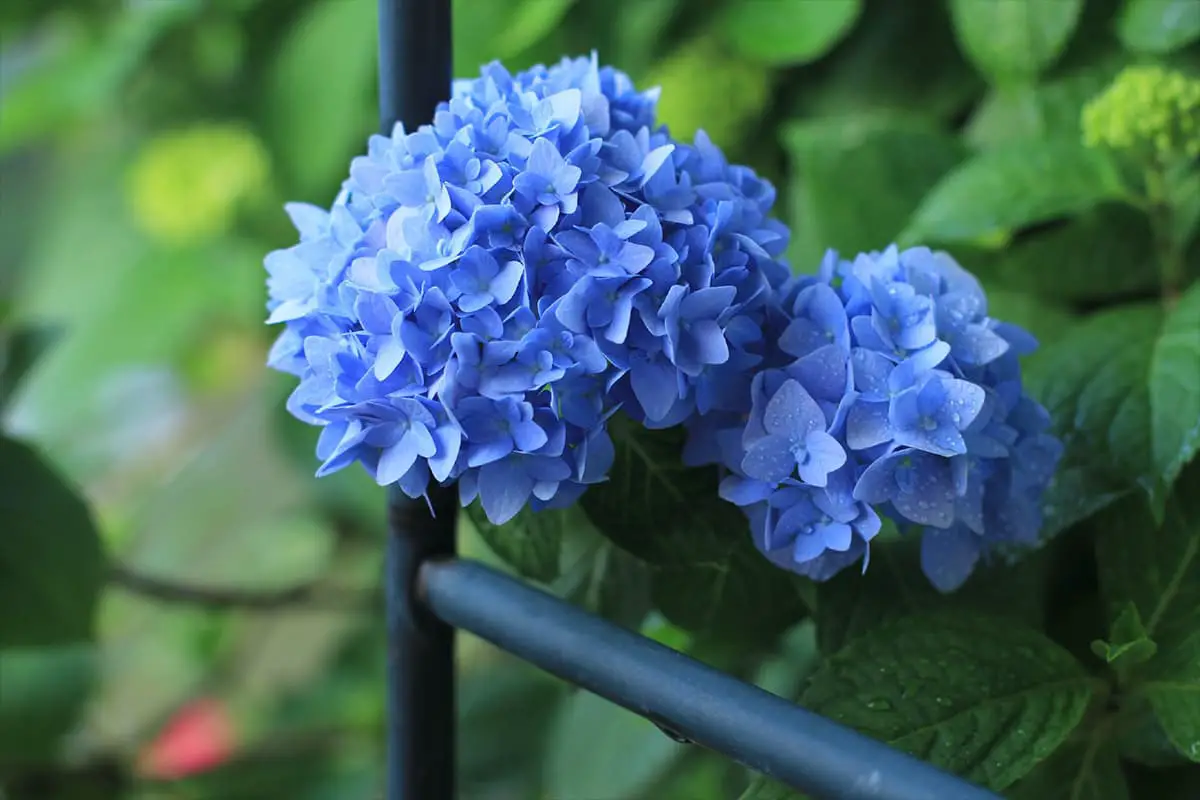
The Endless Summer is a variant of the hydrangea with flower heads at least 18cm in diameter. It blooms blue flowers in acidic soil and can exhibit both blue and pink flowers in neutral soil.
Because it can bloom throughout the summer, it gets its name. Its blooming period is from June to September, and it is hardy in zones 4 to 9. Mature plants reach approximately 150*150cm in height.
From mid-May, the Endless Summer begins to bear its first batch of flowers. The initial small flower buds are not conspicuous, with somewhat pale flower heads tucked between a pair of ovate leaves. As daylight changes and time progresses, the flower heads gradually acquire color and continue to inflate.
The flower heads are composed of hundreds of small flowers, which, to the naked eye, are not actual flowers but are the petaloid sepals; the true flowers are hidden inside the flower head, a common trait among all hydrangeas.
The first wave of flowers reaches its peak from late May to early June, with the soft flower heads heavily hanging from the branches.
Generally, robust old branches can bear larger flower heads, so for the sake of next year’s flowering, hydrangeas do not require much pruning.
In July and August, after the flowers on the old branches wither, the flower buds sprouting on the new branches continue to bloom. There is also a variety with pure white to light pink flowers, known as the Endless Summer “Bride.”
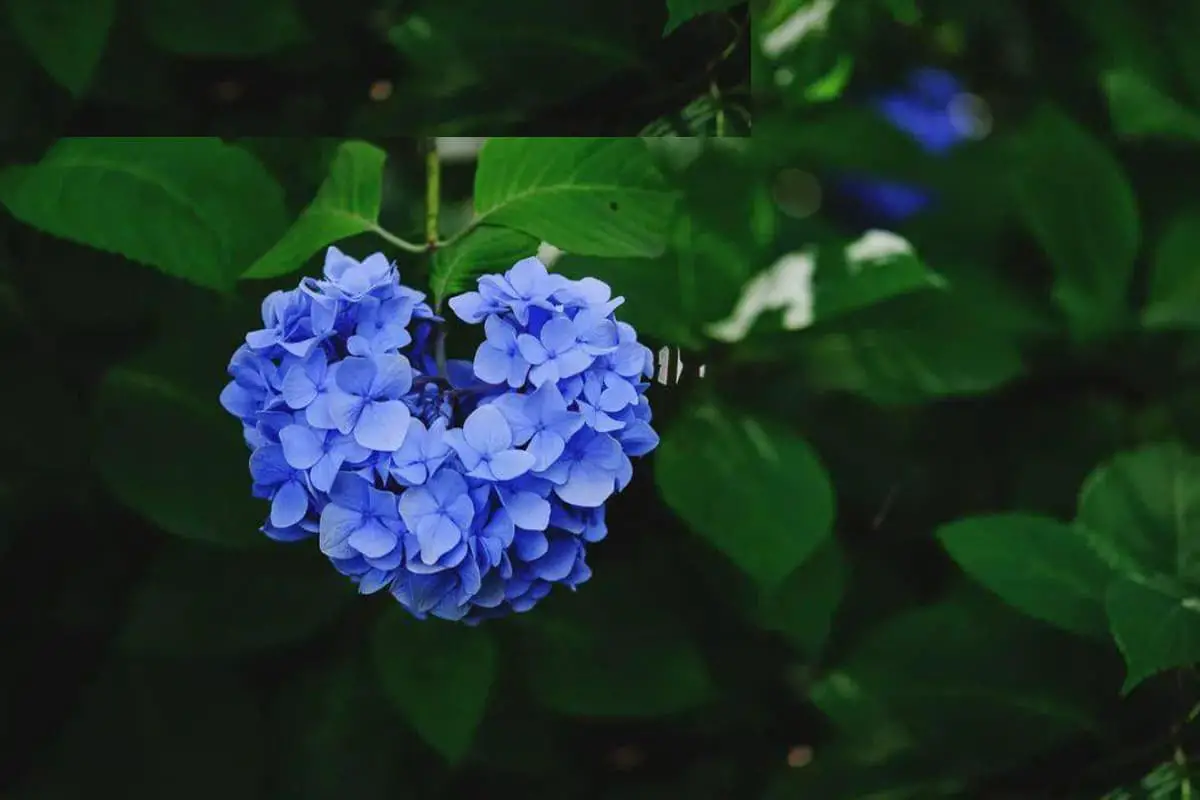
In the mid-1980s, a salesperson from Bailey Nurseries discovered a hydrangea in a garden in Cottage Grove, a suburb of St. Paul, Minnesota, which could form flower buds on its tender branches. In 2003, Bailey Nurseries introduced this hydrangea, named it “Endless Summer,” and applied for new variety protection.
After several years of trial and research, it was found that the “Endless Summer” grows well in gardens and can bloom normally. It is expected to maintain good characteristics for the next several decades without significant variation.
The most significant difference between “Endless Summer” and other hydrangea varieties is the length of the flowering period.
Scholars at the University of Florida found that the flowering period of “Endless Summer” is on average 10-12 weeks longer than that of ordinary hydrangeas, and its ability to withstand low temperatures is stronger, allowing it to bloom in colder environments.
The blooming period and abundance of the “Endless Summer” are influenced by the following key factors:
The planting position of “Endless Summer” in the garden has the most significant impact on its flowering. It is a short-day plant that prefers warm, moist, and semi-shaded environments.
However, if it receives less than 2-3 hours of sunlight per day, the number of flowers will decrease. It is recommended to plant it in a position where it can receive at least six hours of dappled sunlight each day, in a wind-protected area.
Outdoors, it can be planted under large trees or against the house wall, which are suitable environments for short-day plants.
Spring is the best time for pruning. It’s important to note that unlike ordinary hydrangeas, the “Endless Summer” can bloom on both new and old stems and can continuously produce flower buds throughout the season.
Experience shows that for newly planted, smaller plants, it’s best not to prune initially, as bud formation needs a longer process. Older plants that have been growing for many years will slow down in early spring due to low temperatures.
As temperatures rise, growth will accelerate rapidly. Once new stems are observed, cut off the old stems about 1cm from the base of the new ones. Deadheading or removing flowers can promote more blooms.
Many people like to cover the base of the plant with spent flowers as they can enhance the plant’s frost resistance and protect new buds from frost and low temperatures. However, this should be cleared away in spring.
Fertilizing is also a crucial factor affecting the flowering of the “Endless Summer”. In spring or early summer, in-ground plants should be fertilized with high-quality slow-release fertilizer, preferably with an NPK content of 10-40-10.
Container-grown “Endless Summers” require additional liquid fertilizer during the growing season, but care should be taken not to over-fertilize, as this can lead to more old leaves and fewer flower buds. When plant growth slows down in preparation for winter dormancy, stop applying fertilizer.
The amount of watering is another important factor affecting flowering. Overwatering can easily cause root rot and lead to too many leaves, fewer flower buds, and a delayed flowering period. Especially when temperatures are high, plant wilting is normal, and it’s best not to water or to water sparingly to avoid scorching the plant.
Protection of the “Endless Summer” in its first few years of planting is very important. To ensure safe overwintering, keep the soil moist in autumn and stop watering when it freezes in winter.
Before the “Endless Summer” goes into full dormancy, cover the plant with wood shavings or dead leaves for insulation. However, when covering, it’s not necessary to cover the stem from the base to the tip.
Winter covering can not only protect the “Endless Summer” during overwintering but also prevent spring frost damage.
Since the buds of “Endless Summer” appear in early spring, late frost damage can harm the development of tender buds and the formation of new buds. Effective covering can protect new buds and subsequent growth.
When thawing in spring, remove the coverings promptly to avoid hindering the sprouting and flowering of old stems at the base.
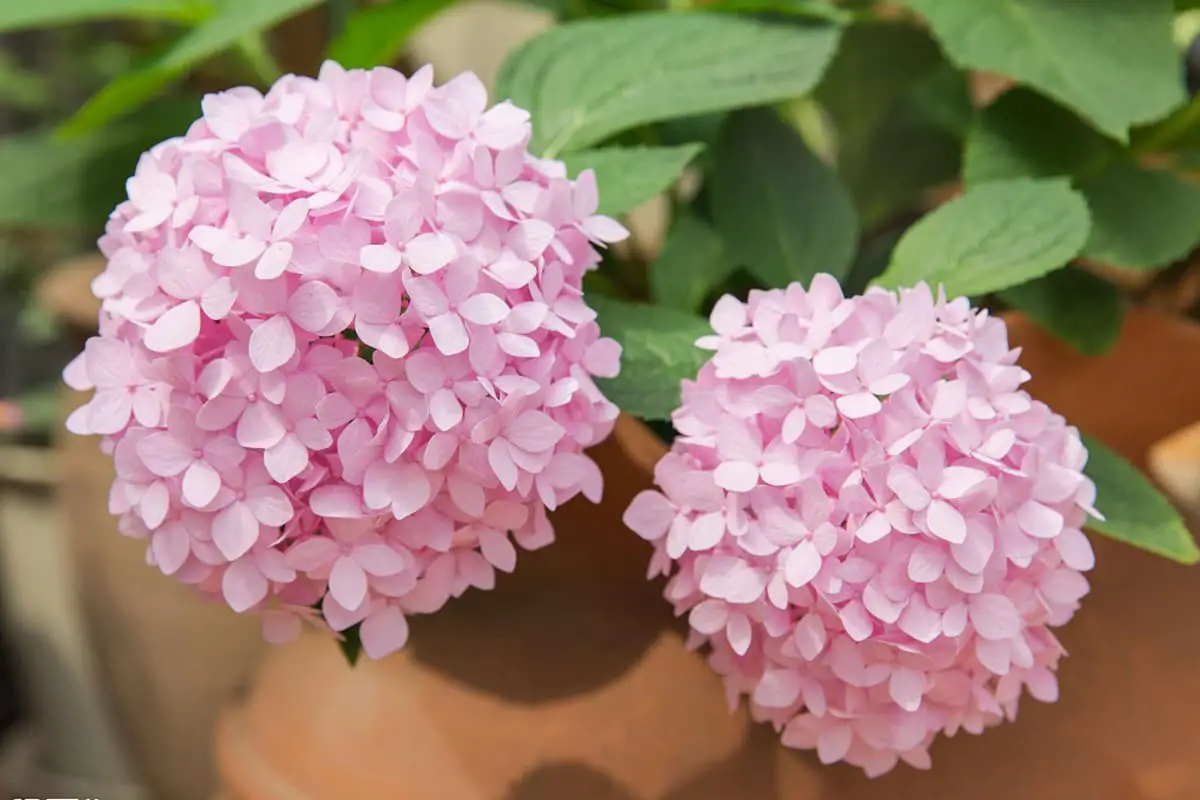
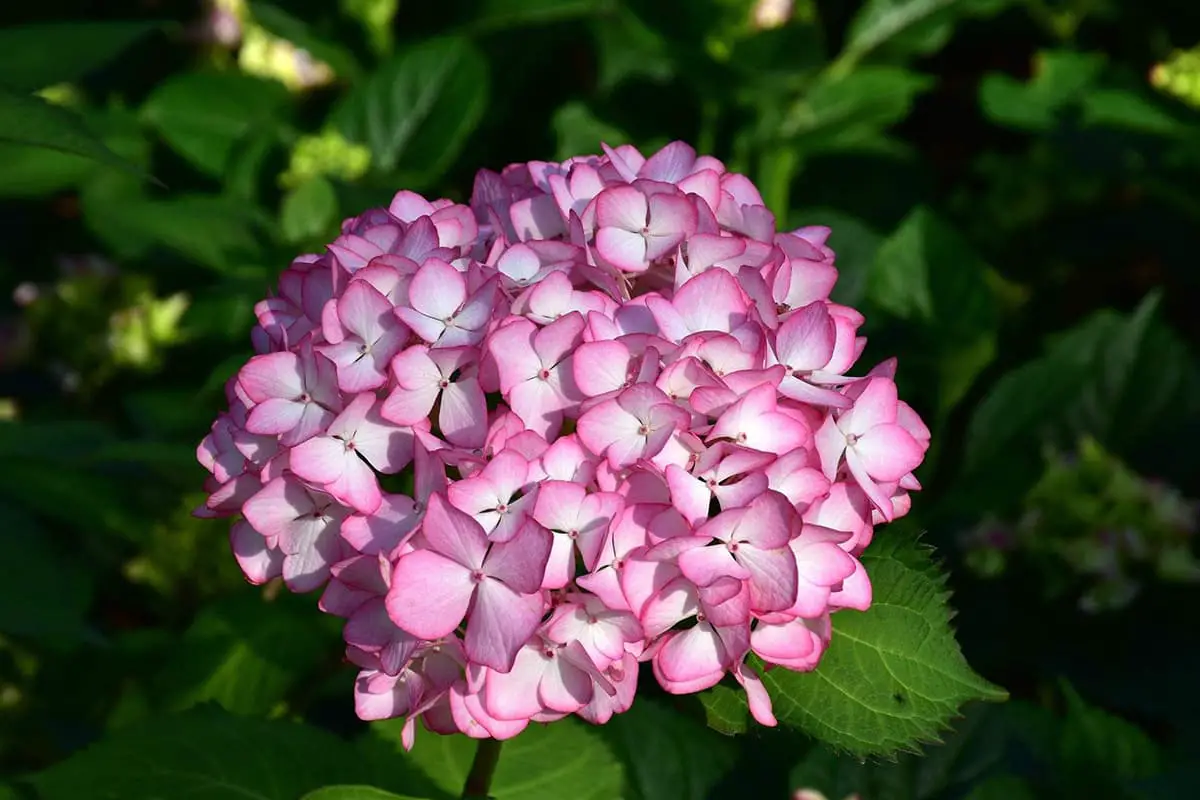
The “Endless Summer” also has the unique characteristic of producing flowers of different colors depending on the pH level of the soil. It will bloom pink flowers in alkaline soil with a pH of 6.0-7.0 and blue flowers in acidic soil with a pH of 5.0-5.8.
If growers want the plant to produce the desired flower color, they can adjust the soil’s pH level with lime and aluminum sulfate.

Peggie was once a high school mathematics teacher, but she set aside her chalkboard and textbooks to follow her lifelong passion for flowers. After years of dedication and learning, she not only established a thriving flower shop but also founded this blog, “Flowers Library”. If you have any questions or wish to learn more about flowers, feel free to contact Peggie.
 English
  العربية
  Bahasa Indonesia
  Deutsch
  Français
  Italiano
  Nederlands
  Português
  Русский
  日本語
日本語