600+ Types of Flowers A To Z (With Names and Pictures)
Types Of Flowers By Names (A-Z) Types Of Flowers By Color Types Of Flowers By Season Types Of Flowers By Blooming Time 600+ Types of Flowers No. Flower Name No.…

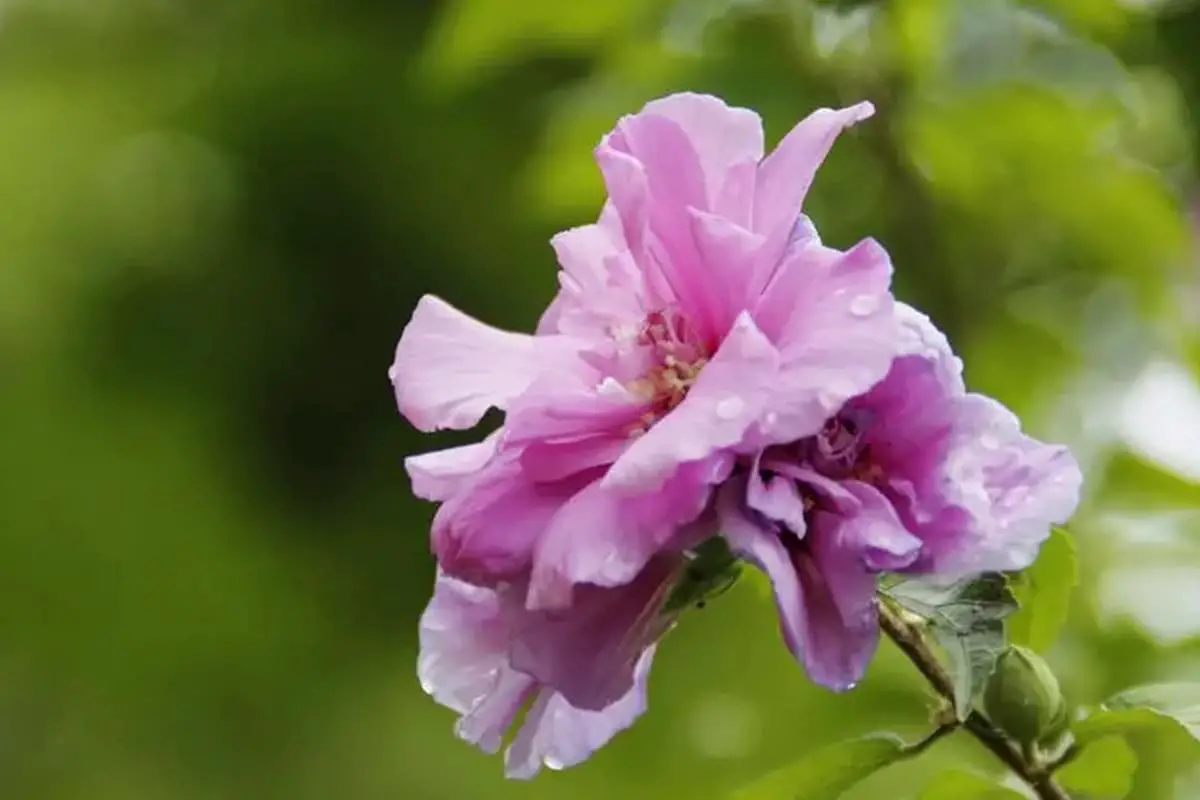
The Hibiscus syriacus ‘Double Pink’, a variant of the Hibiscus family within the Malvaceae family, is a perennial shrub that grows rapidly and can be planted once and harvested for many years. It is found in regions of China, including Shandong.
To achieve optimal yields, facilitate field management, and ease flower harvesting, it’s advisable to use single-row ridge cultivation with ridges spaced 110-120 cm apart and plants spaced 50-60 cm apart. Holes or trenches are dug in the center of the ridges for planting.
When transplanting, ensure ample base fertilizer is applied in the planting hole or trench, usually consisting of composted soil or well-rotted farmyard manure, complemented with a small amount of compound fertilizer.
It’s best to transplant during the seedling’s dormant phase, although it can also be done during the rainy growth season.
When transplanting, prune some branches and leaves to enhance survival chances. After planting, water once to establish the roots, and keep the soil moist until the plant is fully established.
The variant has pollen that is purple in color, and the base of the inner side of its petals is rose-red. It has double petals.
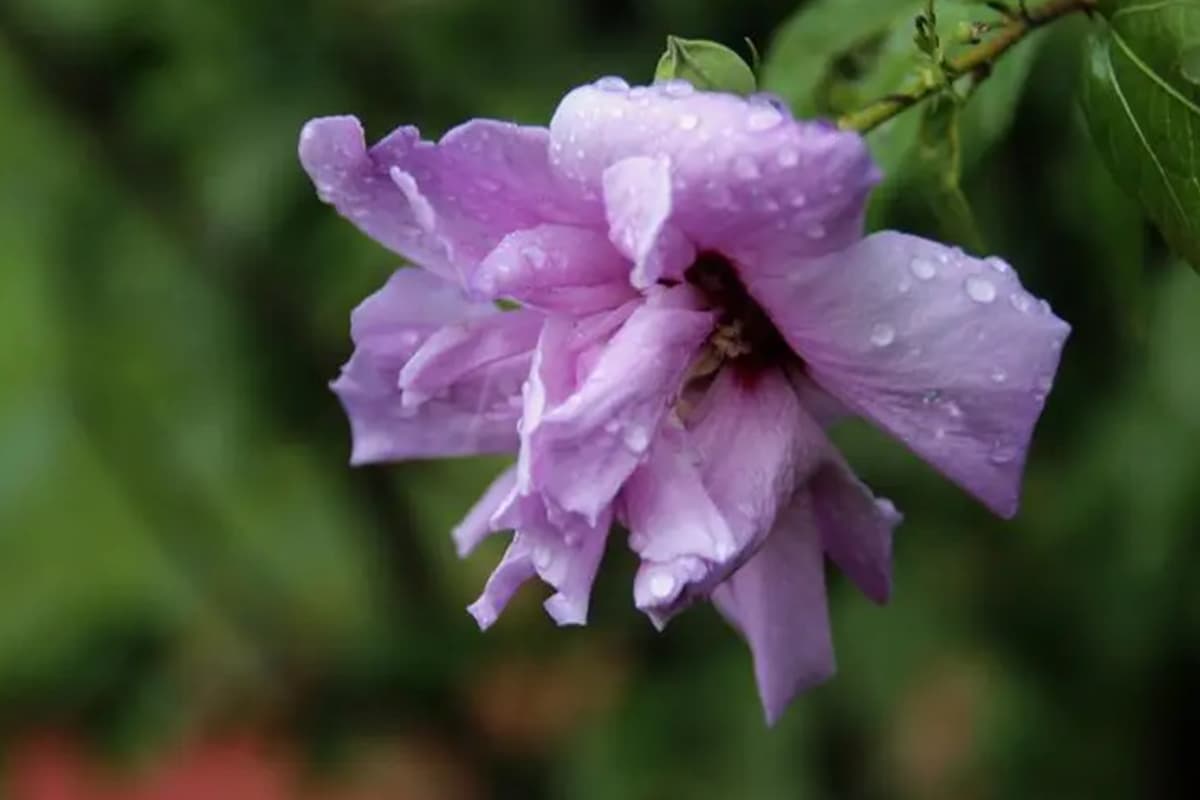
The light purple double-petaled hibiscus is highly adaptable. It is cultivated both in the north and south. It prefers sunlight but can tolerate partial shade. It is cold-resistant, can overwinter in open ground in most parts of North and Northwest China, and is not very demanding of the soil type.
However, it doesn’t tolerate drought and needs regular watering during the growing period. It’s also a great plant for beautifying and purifying the air, resistant to harmful gases like smoke and hydrogen fluoride.
Native to Shandong Province.
During the growth period, there are relatively few pests and diseases. Main diseases include anthracnose, leaf blight, and powdery mildew; while main pests are red spiders, aphids, bagworm moths, nocturnal moths, and longhorn beetles.
When infestation occurs, affected branches can be pruned, and appropriate low-toxicity pesticides can be sprayed. Early prevention is advised to ensure harvested flowers are not contaminated.
Common leaf spot and rust diseases can be controlled using a 600x dilution of 65% zinc dimethyldithiocarbamate. Aphids are the primary pests, but there are also mealybugs, golden beetles, loopers, and leaf-rolling moths.
A 1000x dilution of 40% parathion-methyl emulsifiable concentrate can be sprayed to kill these pests. An environmentally safe method of pest control is the use of diluted detergent.

Peggie was once a high school mathematics teacher, but she set aside her chalkboard and textbooks to follow her lifelong passion for flowers. After years of dedication and learning, she not only established a thriving flower shop but also founded this blog, “Flowers Library”. If you have any questions or wish to learn more about flowers, feel free to contact Peggie.
 English
  العربية
  Bahasa Indonesia
  Deutsch
  Français
  Italiano
  Nederlands
  Português
  Русский
  日本語
日本語