Nature is abundant with a diverse array of flowering plants that generally symbolize prosperity, beauty, and optimism. These colorful blooms often evoke feelings of joy and renewal, brightening our gardens and spirits alike.
However, certain flowers stand as intriguing exceptions, carrying darker symbolism associated with death, mourning, and even curses in various cultures and mythologies. These so-called “flowers of death” have fascinating histories and cultural significance. Let’s explore some of these enigmatic blooms together:
1. Red Spider Lily
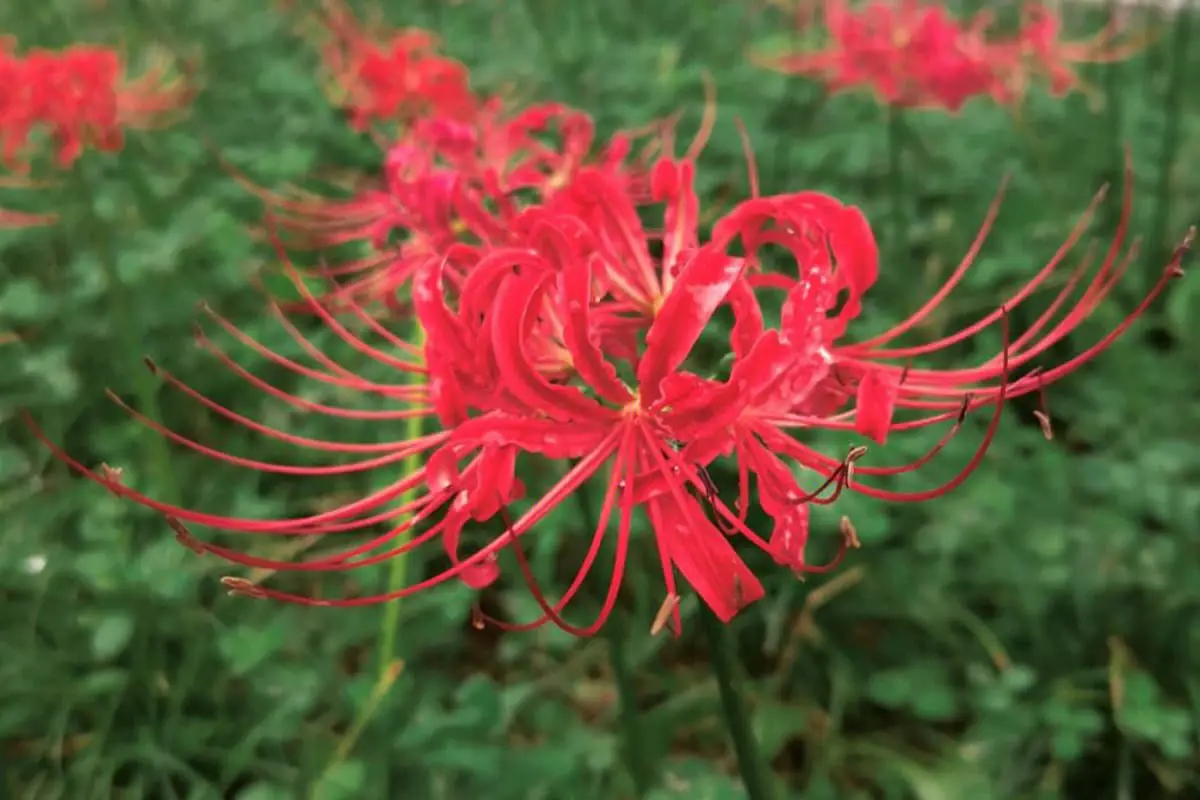
The Red Spider Lily (Lycoris radiata) is a truly captivating and enigmatic flower. Its vivid crimson, spider-like petals unfurl in a stunning display, typically blooming without any foliage present. This unique growth pattern, known as hysteranthy, is a defining characteristic of the genus Lycoris. The leaves emerge only after the flowers have withered, creating a poignant metaphor for the cycle of life and death.
Native to China, Korea, and Nepal, this bulbous perennial has naturalized in many parts of Japan and the southern United States. Its scientific name, Lycoris, is derived from a Roman actress, while radiata refers to the flower’s radiating petals. In Japan, it’s known as Higanbana, literally meaning “flower of the other shore,” alluding to its association with the afterlife.
The Red Spider Lily’s cultural significance is profound. In many East Asian cultures, it’s considered a flower of death, reincarnation, and separation. Its appearance in late summer or early autumn often coincides with the Buddhist holiday of Obon, when ancestors’ spirits are believed to return to the mortal world.
Legends suggest that these flowers guide the souls of the departed, blooming along the path to the afterlife. In some traditions, they’re believed to grow at the spot where people part ways for good, earning them the moniker “hurricane lily” or “resurrection lily” in the West.
Despite its ominous associations, the Red Spider Lily is also valued for its ornamental beauty and medicinal properties. The bulbs contain alkaloids with potential pharmaceutical applications, though they’re also toxic if ingested improperly. In gardens, they make striking additions to borders, rock gardens, and naturalized areas, requiring well-drained soil and full sun to partial shade for optimal growth.
This remarkable flower serves as a reminder of nature’s intricate balance between life and death, beauty and mystery, making it a subject of fascination for botanists, gardeners, and cultural enthusiasts alike.
2. Black Mandrake
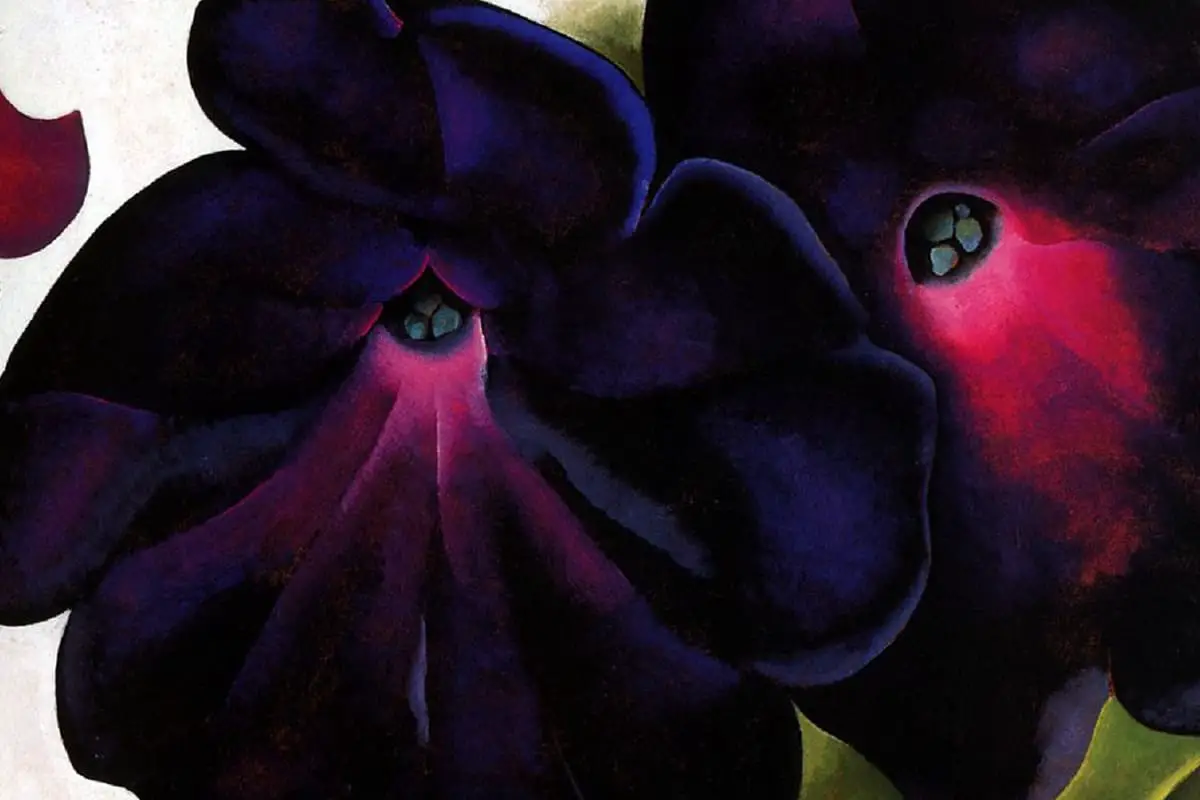
The Black Mandrake (Mandragora officinarum var. nigra), a rare and enigmatic member of the Solanaceae family, captivates with its striking beauty and peculiar fragrance. This alluring plant, however, harbors a deadly secret within its sap – a potent, incurable poison that has earned it a reputation as one of the most dangerous flowers in the world.
Native to arid regions, the Black Mandrake is said to blossom in remote desert locations, its exact habitats shrouded in mystery. The plant’s appearance is characterized by deep purple to near-black bell-shaped flowers, emerging from a rosette of dark, glossy leaves. Its root, often resembling a human figure, has contributed to its folkloric associations with magic and mysticism.
According to legend, the Black Mandrake is a cursed flower, and no one who has discovered it has survived to share their experience. This myth likely stems from the plant’s extreme toxicity, containing high levels of tropane alkaloids such as atropine, hyoscyamine, and scopolamine. These compounds can cause severe hallucinations, respiratory failure, and cardiac arrest even in small doses.
Symbolically, the Black Mandrake embodies the concept of unpredictable darkness and death. Its ability to thrive in harsh desert conditions represents a resilient spirit that has endured adversity. In various cultures, it has been associated with the occult, often used in traditional medicine and rituals despite its dangers.
The flower’s representation of a one-way journey to the afterlife stems from its lethal properties and the belief that those who encounter it never return. This symbolism has made the Black Mandrake a subject of fascination in literature, art, and folklore, often depicted as a harbinger of doom or a powerful, albeit dangerous, magical ingredient.
While the Black Mandrake’s deadly nature is factual, it’s important to note that many aspects of its lore are exaggerated or fictional. Responsible botanists and herbalists study this plant under controlled conditions, contributing to our understanding of its unique properties and potential medicinal applications when used with extreme caution.
3. Ghost Orchid
The Ghost Orchid (Dendrophylax lindenii) has long captivated human imagination, often associated with mysterious and sometimes ominous folklore. In certain ancient cultures, this rare and ethereal orchid was indeed viewed with superstition, though its reputation as a harbinger of doom is more rooted in legend than fact.
This epiphytic orchid, native to Florida, Cuba, and the Bahamas, derives its spectral name from its ghostly white flowers that seem to float in mid-air, as the plant lacks visible leaves. Its unique appearance and elusive nature have contributed to its mystique.
While not actually linked to death or disaster, the Ghost Orchid’s rarity and the challenges in observing it blooming have led to various myths. In reality, the appearance of these orchids is a sign of a healthy, undisturbed ecosystem, as they require specific environmental conditions to thrive.
The Ghost Orchid’s cultural significance extends beyond superstition. It has become a symbol of conservation efforts, highlighting the importance of preserving fragile habitats. Its allure has inspired books and films, further cementing its place in popular culture.
Far from being a harbinger of doom, the blooming of a Ghost Orchid is considered a rare and celebrated event among botanists and orchid enthusiasts. Its presence in an area is indicative of biodiversity and ecological balance rather than impending misfortune.
4. Siamese Twin Flowers
Conjoined Twin Flowers are fascinating mythical plants, each bearing a pair of blossoms on the same stem. These unique flowers have captured the imagination of storytellers and artists for centuries, despite existing only in folklore and fantasy.
According to legend, these flowers share a complex symbiotic relationship. While physically joined, they are said to exhibit both cooperative and competitive behaviors. The two blooms are described as being in a constant state of interdependence, sharing nutrients and resources through their common stem, yet also competing for dominance and survival.
Mythological accounts often portray the life cycle of Conjoined Twin Flowers as a poignant metaphor for human relationships. The flowers are said to grow, bloom, and ultimately wither together, their fates inextricably linked. This simultaneous decline is often interpreted as a reflection on the nature of close bonds and shared destinies.
The concept of Conjoined Twin Flowers has inspired various cultural interpretations and artistic representations. In some traditions, they symbolize the duality of nature, the balance between cooperation and competition, or the complexities of familial and romantic relationships.
While Conjoined Twin Flowers remain purely fictional, they bear some resemblance to real botanical phenomena. In nature, plant mutations can occasionally result in fasciation, where stems fuse or flowers develop in unusual formations. However, these natural occurrences differ significantly from the mythical Conjoined Twin Flowers in both appearance and symbolic meaning.
As these flowers exist only in mythology, there are no scientific observations or specimens. Their enduring presence in cultural narratives, however, speaks to the human fascination with the concept of interconnected lives and the symbolic power of flora in storytelling.
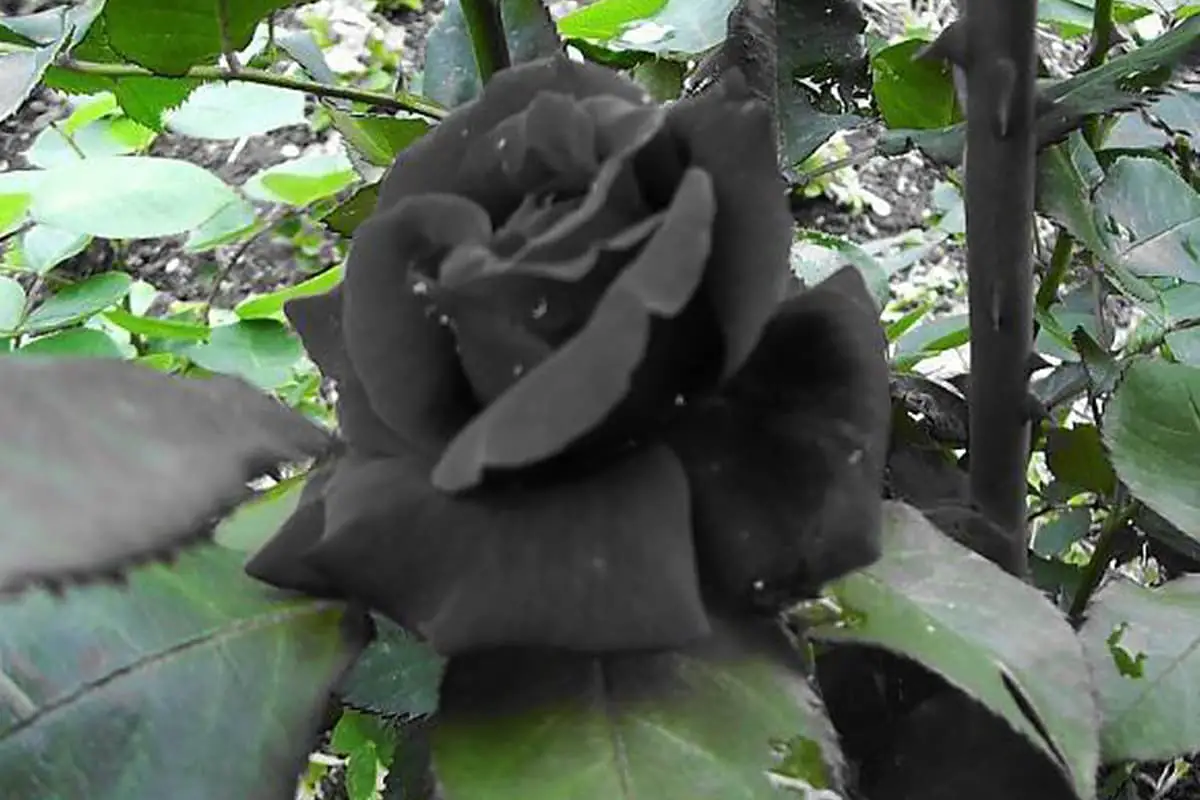
5. Black Rose
The Black Rose is a rare and intriguing variant of the rose family, possessing petals of such a deep, intense color that they appear nearly black. This unique hue is not a true black but rather an extremely dark shade of red or purple, resulting from high concentrations of anthocyanin pigments in the petals.
Typically found growing at altitudes around 2,500 meters (8,200 feet), these roses thrive in cooler, high-elevation environments. The specific cultivar often referred to as the “Black Rose” is usually a variety of Rosa x hybrida, such as ‘Black Baccara’ or ‘Black Magic’. These cultivars have been selectively bred to achieve their exceptionally dark coloration.
Throughout history and across cultures, the color black has often been associated with ominous implications, mystery, and the unknown. As a result, the Black Rose has acquired symbolic significance, sometimes being referred to as the “flower of curses and death” in folklore and literature. However, it’s important to note that this association is purely cultural and symbolic, not inherent to the plant itself.
In horticultural contexts, Black Roses are prized for their dramatic appearance and are often used in floral arrangements to create striking contrasts. They require similar care to other rose varieties, including well-drained soil, adequate sunlight, and protection from extreme weather conditions. Their unique coloration makes them particularly sensitive to sunlight, and they may appear more vibrant in partial shade or during cooler parts of the day.
Despite their somber reputation, Black Roses can also symbolize rebirth, the beginning of new things, and courage. In modern floral language, they are sometimes given as a symbol of deep passion or farewell, adding depth and intrigue to the traditional symbolism of roses.
6. Thumos Flower
The Thumos Flower, a captivating and enigmatic species, is renowned for its unique position in the floral calendar as the last flower to bloom. This distinctive characteristic imbues the plant with profound symbolic significance, representing closure, completion, and the inevitable cycle of life and death.
The flower’s name, “Thumos,” derives from ancient Greek philosophy, where it refers to the spirited element of the soul, associated with passion and courage. This etymology adds layers of meaning to the plant’s symbolism, suggesting a final, passionate expression of life force before winter’s dormancy.
Botanically, the Thumos Flower is notable for its late-season flowering, typically occurring when most other plants have already completed their annual cycles. This temporal positioning makes it a valuable resource for pollinators seeking nectar in the waning days of autumn.
The plant’s magnificent bloom is characterized by its vibrant colors, often displaying rich purples, deep crimsons, or intense golds – hues that echo the dramatic palette of fall foliage. The flowers are usually large and showy, with intricate petal arrangements that can range from simple, elegant forms to more complex, layered structures.
Symbolically, the Thumos Flower’s impressive display is often interpreted as nature’s grand finale – a last, glorious flourish before the onset of winter. This spectacular bloom gives the impression of reaching a pinnacle or climax, much like a firework’s brilliant explosion at its zenith. As such, it has come to represent not just an ending, but the concept of going out in a blaze of glory or achieving one’s fullest potential before decline.
In garden design and landscaping, the Thumos Flower is prized for its ability to extend the flowering season and provide visual interest when other plants have faded. Its late bloom makes it an excellent choice for autumn gardens, offering a final burst of color and life as the growing season comes to a close.
The Thumos Flower’s symbolism of closure and inevitable change has made it a popular choice in various cultural contexts. It is often incorporated into rituals or ceremonies marking transitions, endings, or new beginnings. In some traditions, it is associated with wisdom and reflection, embodying the idea that true understanding often comes at the end of a journey or experience.
While the flower’s bloom signifies an end, it also carries the promise of renewal. Like many plants that flower late in the season, the Thumos Flower sets seed just before winter, ensuring its cycle will begin anew with the coming spring. This aspect of its life cycle adds a note of hope to its symbolism, suggesting that even in endings, there are seeds of new beginnings.
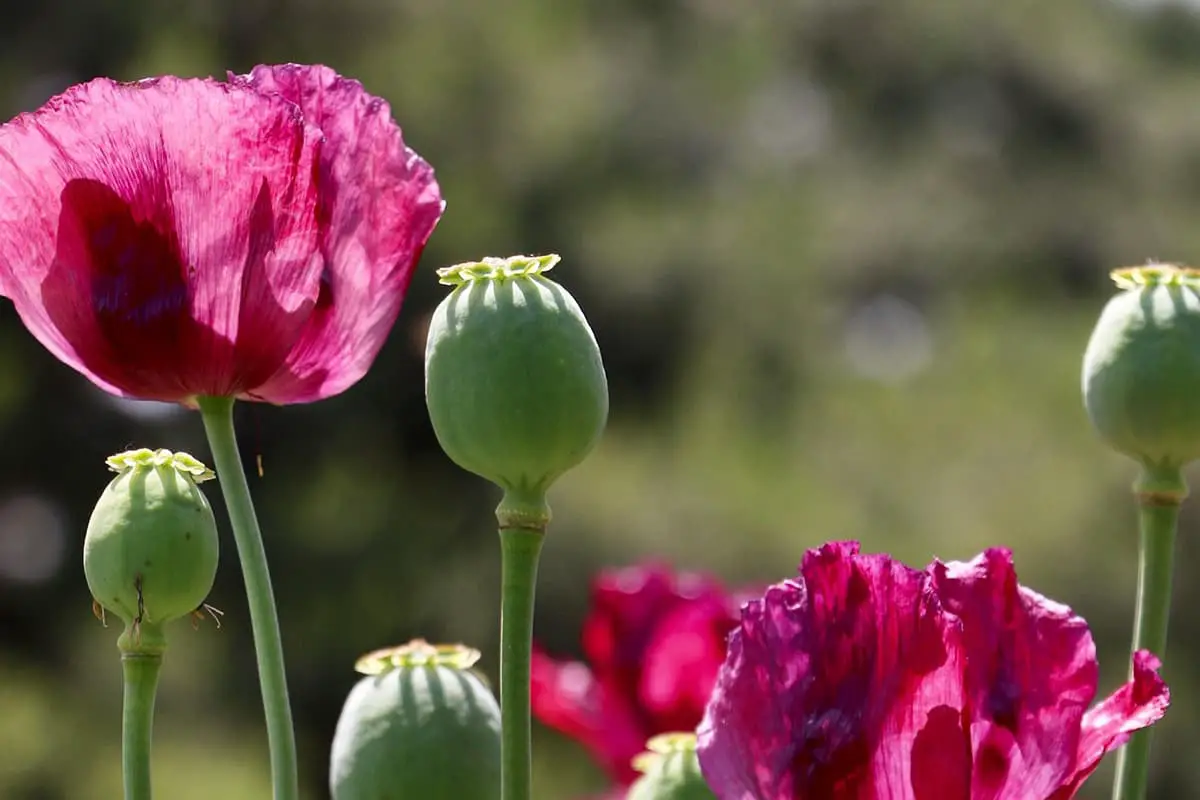
7. Poppy
The poppy is a flower rich in symbolism, often associated with remembrance, sleep, and in some contexts, mortality. This iconic bloom is known for its vibrant petals and distinctive seed capsules, which have been utilized by humans for thousands of years.
Certain poppy species, particularly Papaver somniferum (opium poppy), contain alkaloids used in the production of opiates. While these compounds have significant medicinal applications, particularly in pain management, their potential for misuse has led to complex cultural and legal issues surrounding the plant.
In many Western cultures, the red poppy has become a powerful symbol of remembrance for fallen soldiers, particularly since World War I. This association stems from the resilience of wild poppies, which were among the first plants to grow on battlefields after the war.
The poppy’s connection to sleep and dreams dates back to ancient Greek mythology, where it was associated with Morpheus, the god of dreams. This connection likely arose from the sedative properties of some poppy species.
In the context of floriography (the language of flowers), poppies can have varied meanings depending on their color:
- Red poppies often symbolize remembrance and consolation
- White poppies can represent peace or sleep
- Yellow poppies may signify success and wealth
While poppies can be associated with themes of mortality in some contexts, it’s important to note that their symbolism is diverse and often positive, representing resilience, remembrance, and the beauty of life amidst adversity.
In horticulture, poppies are prized for their striking blooms and ease of cultivation. Many species are popular in gardens, providing bursts of color in spring and early summer. Gardeners appreciate poppies for their ability to self-seed and naturalize in suitable conditions, creating stunning wildflower displays.
8. Bay Laurel
The Bay Laurel (Laurus nobilis) symbolizes bewitchment, a association that dates back to ancient times. This evergreen tree, native to the Mediterranean region, has long been believed to possess the power to captivate hearts and minds.
The leaves of the Bay Laurel are highly prized in culinary applications. When dried and ground, they produce a fragrant spice known as bay leaf, which is widely used in cooking. The aromatic qualities of bay leaves have made them particularly popular among women throughout history, contributing to the plant’s reputation for bewitchment.
However, it’s important to note that while Bay Laurel has many beneficial uses, it also possesses potentially harmful properties. The essential oils in bay leaves contain eugenol and myrcene, which can be toxic in large quantities. This duality of nature – both beneficial and potentially dangerous – has led to Bay Laurel being considered a “half-dark” plant in some cultural contexts.
The phrase “all medicines have their toxicity” aptly applies to Bay Laurel. While it’s generally safe when used in small amounts for culinary purposes, excessive consumption or improper use of its essential oils can lead to adverse effects. This serves as a reminder of the importance of respecting and using plants wisely, regardless of their allure or perceived magical properties.
In addition to its culinary and symbolic uses, Bay Laurel has a rich history in literature and mythology. In ancient Greece, it was sacred to Apollo and used to crown victors in various competitions. This cultural significance, combined with its aromatic properties and potential risks, contributes to the complex symbolism and enduring fascination surrounding the Bay Laurel.
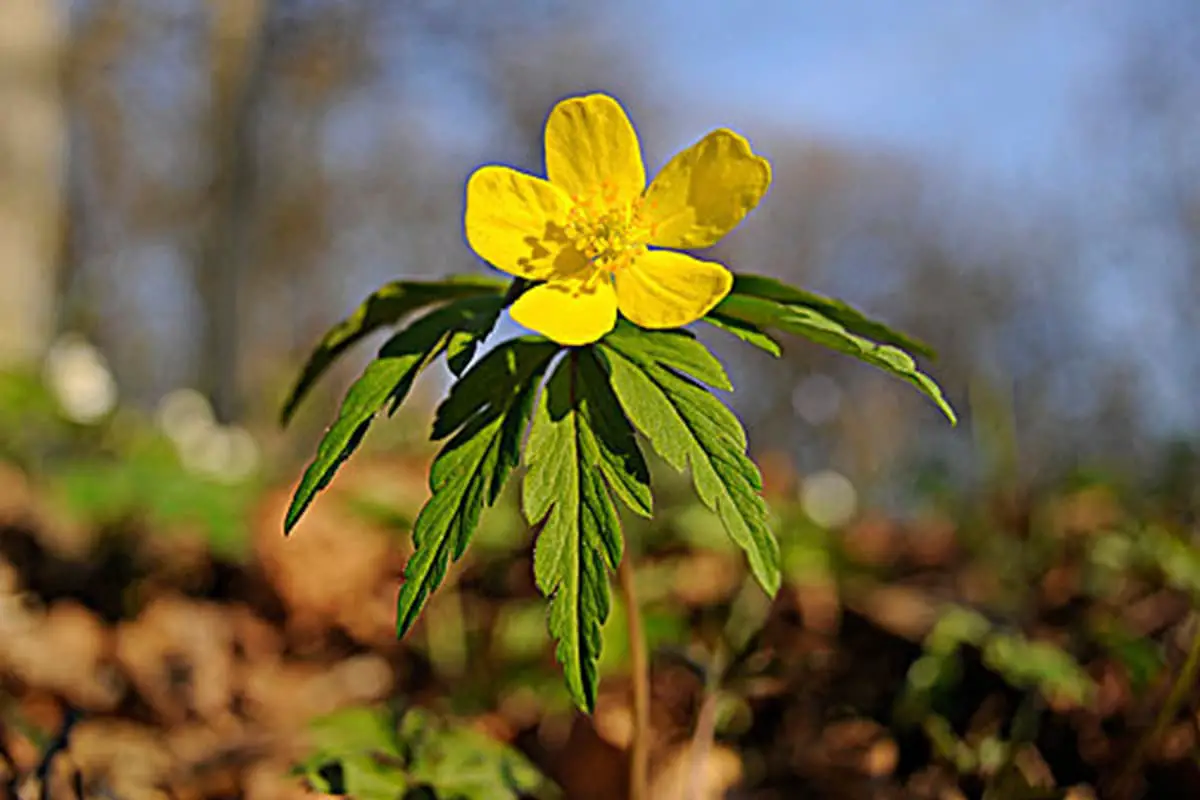
9. Yellow Whitlow Grass
Yellow Whitlow Grass (Draba aizoides) represents broken friendship in the language of flowers. This small, hardy perennial plant, native to mountainous regions of Europe, has a distinctive appearance that symbolizes the need to let go of a love that has been betrayed.
Growing in tight, compact rosettes, Yellow Whitlow Grass produces bright yellow flowers in early spring, often while snow still covers the ground. Its resilience in harsh conditions paradoxically contrasts with its delicate nature, much like the fragility of friendships that have been tested and broken.
The plant’s scientific name, Draba, comes from the Greek word “drabe,” meaning acrid or sharp, which may allude to the bitter taste of its leaves. This bitterness can be seen as a metaphor for the sting of a friendship that has soured.
In gardens, Yellow Whitlow Grass is often used in rock gardens or alpine plantings, where its low-growing habit and early blooms provide visual interest. Its ability to thrive in poor soil and exposed positions mirrors the strength required to move on from a broken relationship.
While the symbolism of Yellow Whitlow Grass may seem somber, it also carries a message of resilience and new beginnings. Just as the plant blooms anew each spring, it reminds us that even after the pain of a broken friendship, there is always the possibility of growth and renewal.
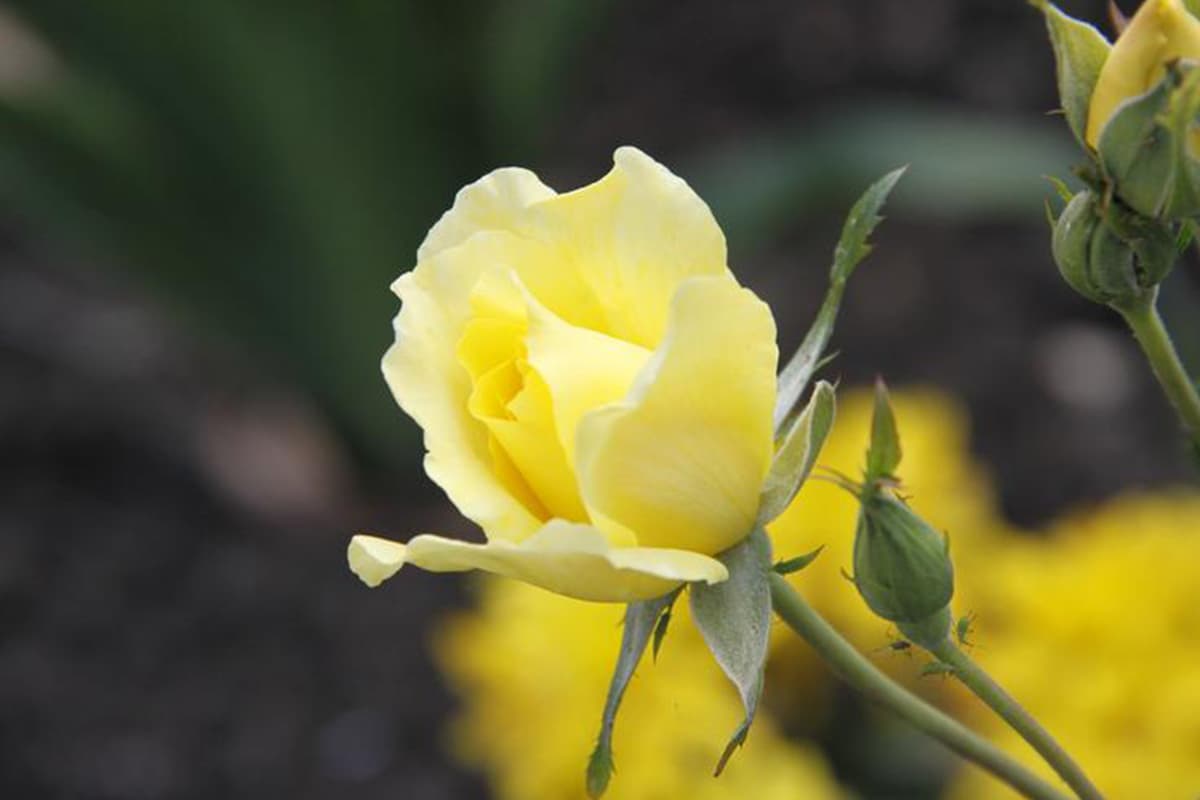
10. Yellow Rose
The Yellow Rose carries a complex symbolism that has evolved over time. Traditionally, it signified jealousy and infidelity in some cultures. However, in modern flower language, the Yellow Rose has taken on more positive connotations.
Today, the Yellow Rose is primarily associated with friendship, joy, and new beginnings. Its sunny hue evokes feelings of warmth and happiness, making it a popular choice for celebratory occasions. In the language of flowers, Yellow Roses are often given to express care, platonic love, and appreciation.
In horticulture, Yellow Roses (Rosa spp.) come in various shades, from pale lemon to deep gold. They are prized for their vibrant color and often feature in garden designs to add cheerful accents. Yellow Rose varieties include popular cultivars like ‘Graham Thomas’, ‘Julia Child’, and ‘Peace’, each with unique characteristics in terms of petal count, fragrance, and growth habit.
It’s worth noting that the meaning of flowers can vary across cultures and personal interpretations. While the Yellow Rose no longer carries strong negative connotations in most contexts, it’s always considerate to be aware of the recipient’s cultural background when gifting flowers.
11. Fritillaria
Fritillaria is a genus of spring-flowering bulbous plants in the lily family, known for its distinctive pendant, bell-shaped flowers. Despite its unique beauty, Fritillaria has developed an association with hatred, stemming from a poignant historical tale.
The story behind this negative symbolism dates back to medieval Europe. According to legend, fritillaries grew abundantly in a meadow where two star-crossed lovers often met in secret. When their forbidden romance was discovered, the lovers were cruelly separated. It’s said that the nodding flowers of the fritillary represent the bowed heads of the grieving lovers, forever mourning their lost love.
This tale of thwarted love and subsequent sorrow led to the fritillary becoming a symbol of hatred, particularly hatred born from love denied or betrayed. The checkered pattern on some fritillary species, resembling a chessboard, further reinforced this symbolism, representing the strategic moves and manipulations that can occur in matters of the heart.
Despite this somber association, Fritillaria species are highly valued in horticulture for their unique appearance and early spring blooming period. The genus includes about 100 species, with variations in flower color ranging from purple and brown to yellow and white. Notable species include the snake’s head fritillary (Fritillaria meleagris) and the crown imperial (Fritillaria imperialis).
In some cultures, particularly in parts of Asia where certain Fritillaria species are native, these plants are viewed more positively. For instance, in traditional Chinese medicine, the bulbs of Fritillaria cirrhosa are used to treat respiratory conditions, demonstrating that plant symbolism can vary significantly across different cultural contexts.
Gardeners who appreciate the fritillary’s distinctive beauty often incorporate it into spring bulb displays, woodland gardens, or naturalized meadow settings, choosing to focus on its horticultural merits rather than its folkloric associations.
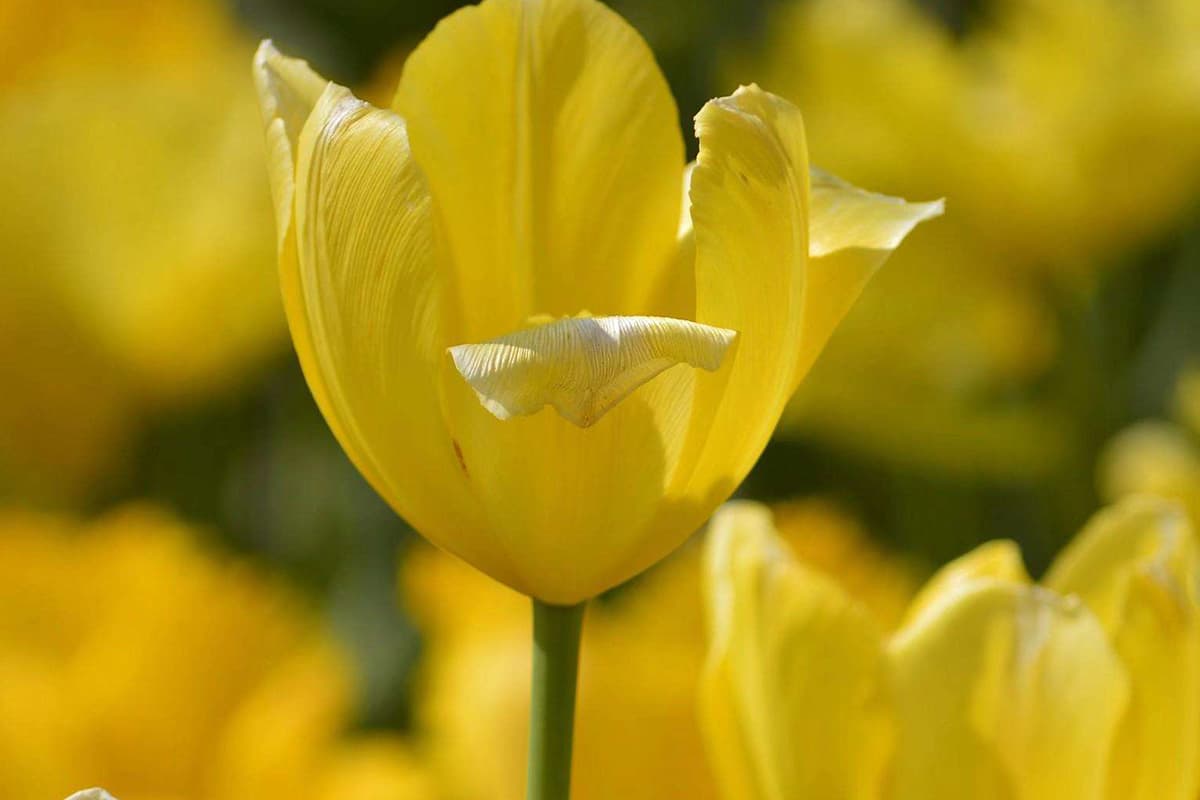
12. Yellow Tulip
The Yellow Tulip, with its vibrant sunny hue, carries a complex symbolism that contrasts with its cheerful appearance. In the language of flowers, it represents hopeless love, a sentiment that diverges from the more positive associations of other tulip colors. This interpretation stems from Victorian-era flower symbolism and has persisted in some cultural contexts.
The Yellow Tulip’s meaning encompasses more than just hopeless love; it can also signify:
- One-sided love or unrequited affection
- Rejection in romantic pursuits
- The bittersweet nature of love
- Jealousy or envy in relationships
While some may view these associations negatively, it’s important to note that flower symbolism can vary across cultures and personal interpretations. In many modern contexts, yellow tulips are simply appreciated for their bright, cheerful color, often associated with friendship, sunshine, and new beginnings.
From a horticultural perspective, yellow tulips (Tulipa spp.) are prized for their:
- Easy cultivation in well-drained soil
- Stunning display in spring gardens
- Versatility in landscape design
- Ability to naturalize in suitable conditions
When considering giving flowers, it’s wise to be aware of potential symbolic meanings. However, the intention behind the gift and the personal significance between individuals often outweigh traditional symbolism. If giving yellow tulips, one might focus on their beauty and the joy they bring rather than historical interpretations.
For those interested in growing yellow tulips, they thrive in full sun to partial shade and should be planted in autumn for spring blooming. They make excellent cut flowers and can create striking displays when mass-planted in gardens or containers.
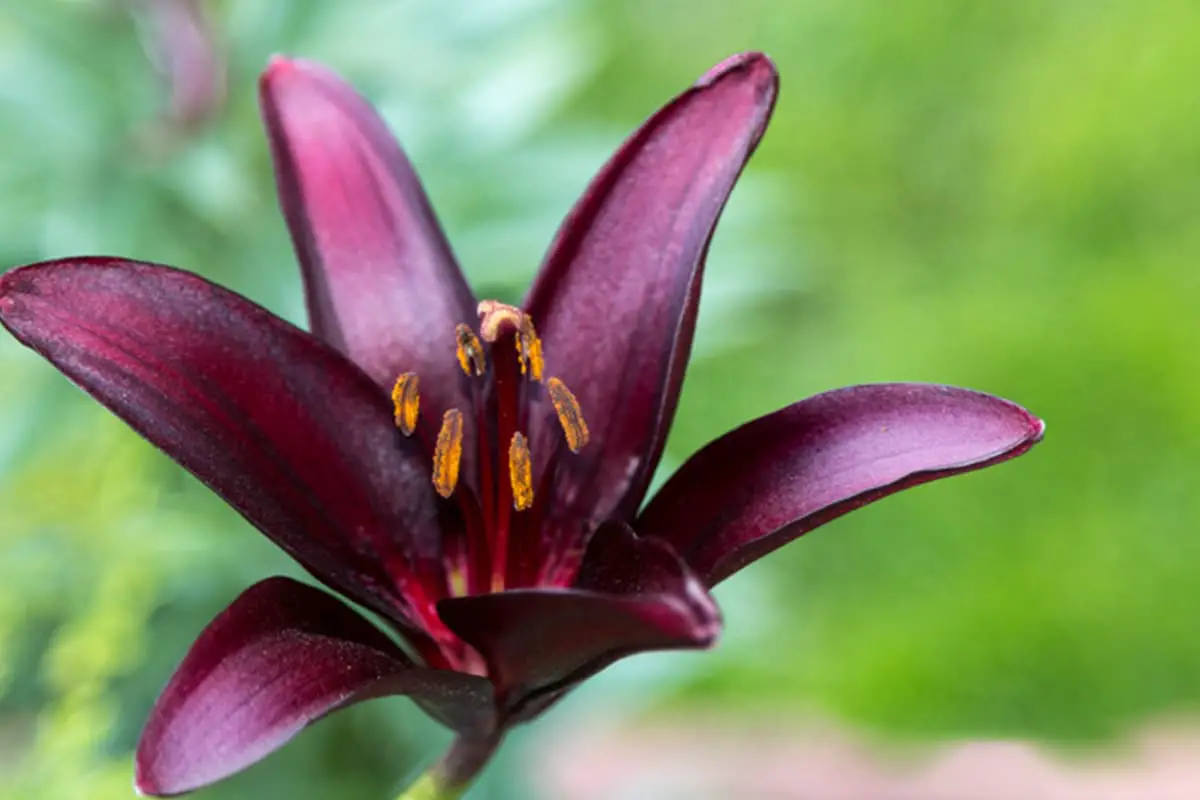
13. Black Lily
The Black Lily, a rare and enigmatic flower, is steeped in folklore and symbolism, often representing cursed pride. This striking plant typically thrives in high-altitude mountainous regions, contributing to its perception as a proud and aloof species. Its deep, dark coloration, ranging from deep purple to near-black, imbues it with an air of mystery and foreboding.
Botanically, the “Black Lily” is not a true lily (genus Lilium) but often refers to several dark-flowered species across different genera, including Fritillaria camschatcensis and certain cultivars of Lilium species. These plants have adapted to harsh alpine conditions, developing resilience to cold temperatures and intense UV radiation.
In various cultures, the Black Lily is associated with powerful and sometimes malevolent forces. Its reputation as a flower “born of destruction” stems from its ability to survive in challenging environments where other plants perish. This resilience has been mythologized into a capacity for world-altering power in some legends.
The flower’s alleged mystical allure, particularly towards men, is a common theme in folklore. This attraction is often described as overwhelming and irresistible, mirroring tales of other seductive but dangerous plants in various mythologies.
The belief that a woman can enchant a man by placing a Black Lily near him is a persistent legend. However, it’s crucial to note that this is purely mythological. In reality, while some plants do produce compounds that can affect human behavior, no scientific evidence supports such specific and dramatic effects from any lily species.
The “deathly curse” associated with this enchantment likely originates from the toxic nature of many lily species. Many true lilies contain compounds that are highly poisonous if ingested, especially to cats. This toxicity may have contributed to the flower’s ominous reputation in folklore.
In horticultural practice, dark-colored lilies and lily-like plants require specific care. They often need well-drained soil, protection from extreme heat, and careful watering to prevent bulb rot. Their unique coloration makes them popular in gothic-themed gardens or as striking focal points in floral arrangements.
While the legends surrounding the Black Lily are fascinating, it’s important to appreciate these plants for their true botanical qualities: their remarkable adaptation to harsh environments, their unusual beauty, and their role in mountain ecosystems.
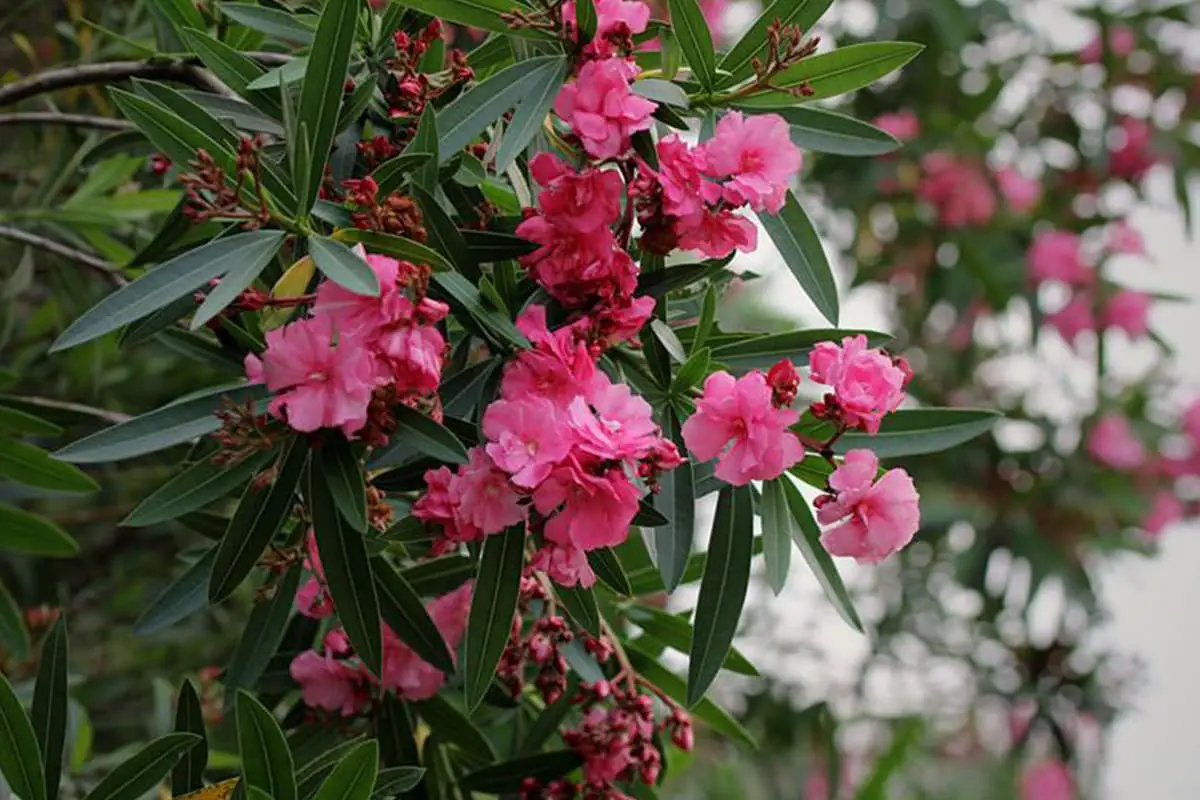
14. Pink Oleander
The Pink Oleander (Nerium oleander) is a striking yet controversial flowering shrub, renowned for its beauty but notorious for its toxicity. This evergreen plant, native to the Mediterranean region and parts of Asia, produces clusters of vibrant pink flowers that belie its dangerous nature.
In the language of flowers, the Pink Oleander paradoxically represents both charm and caution. Its alluring appearance has led to its widespread use in landscaping, particularly in warmer climates. However, this plant’s symbolic association with a curse stems from its highly poisonous properties.
Every part of the Oleander plant contains potent cardiac glycosides, primarily oleandrin and neriine. These compounds are extremely toxic to humans and animals if ingested, and can cause severe symptoms including nausea, vomiting, irregular heartbeat, and in severe cases, fatal cardiac arrest. Even smoke from burning Oleander wood can be hazardous.
The plant’s toxicity is so renowned that it has been featured in literature and folklore as a means of poisoning. This reputation has contributed to its symbolic meaning of caution and potential danger lurking behind beauty.
Despite its risks, the Pink Oleander continues to be cultivated for its drought tolerance, ease of growth, and ornamental value. However, gardeners and homeowners must exercise extreme caution, especially in areas frequented by children or pets.
In essence, the Pink Oleander serves as a living metaphor for the adage “beauty can be deceiving,” embodying both aesthetic appeal and hidden danger. Its presence in a garden or bouquet might be interpreted as a warning to look beyond surface appearances and to approach unfamiliar beauty with wisdom and care.
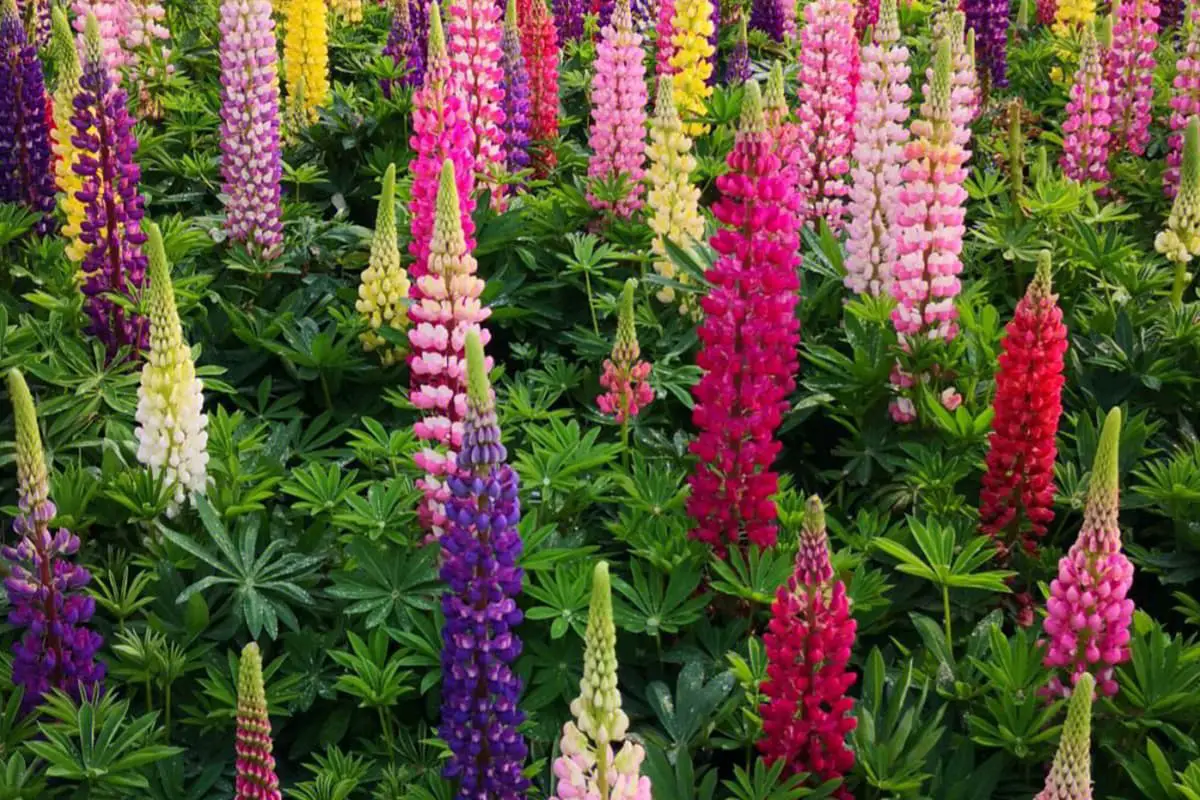
15. Lupine
Lupines, also known as lupins or wolf beans, are striking flowers with diverse symbolic meanings that vary significantly across cultures. While not widely known, these flowers carry complex and sometimes contradictory symbolism.
In some European traditions, lupines have been associated with bitterness and an intense, potentially destructive form of love, often referred to as “burning love.” This interpretation likely stems from the plant’s historical reputation as a toxic species and its ability to thrive in poor soils, symbolically “devouring” the land like a wolf – hence the name “wolf bean.”
Interestingly, in Taiwan and some other East Asian regions, lupines have a more positive connotation, symbolizing motherhood. This association may be linked to the plant’s ability to nurture the soil by fixing nitrogen, mirroring a mother’s nurturing nature.
However, it’s important to note that lupines are not universally considered sad or negative flowers. In many Western gardens, they are cherished for their beauty and ability to improve soil quality. In North American native traditions, some lupine species hold spiritual significance and are used in traditional medicines.
When considering gifting lupines, it’s crucial to be aware of these cultural differences in symbolism. While they might not be the best choice for romantic gestures in European contexts, they could be appropriate for other occasions or in different cultural settings. As with any flower, the intent behind the gift and the recipient’s personal associations with the flower are often more important than traditional symbolism.
Horticulturally, lupines (Lupinus spp.) are valued for their tall, colorful spikes of pea-like flowers and their ability to thrive in various conditions. They are particularly useful in garden designs for adding vertical interest and attracting pollinators. As members of the legume family, they also play a role in sustainable gardening practices by improving soil fertility.
16. Angel’s Trumpet
The Angel’s Trumpet (Brugmansia spp.) is a genus of flowering plants that belies its heavenly name with a sinister nature. This large, pendulous flower belongs to the nightshade family (Solanaceae) and is renowned for its beauty as much as its toxicity.
All parts of the Angel’s Trumpet contain dangerous levels of tropane alkaloids, including scopolamine, hyoscyamine, and atropine. Ingestion of any part of the plant can lead to severe anticholinergic toxicity, characterized by symptoms such as dilated pupils, blurred vision, dry mouth, difficulty urinating, hyperthermia, and in severe cases, hallucinations, delirium, and even death.
Historically, various cultures have used Angel’s Trumpet for both medicinal and nefarious purposes. Indigenous peoples of South America, where the plant originates, employed it in shamanic rituals for its hallucinogenic properties. However, its potent toxicity also made it a tool for malevolent intentions, including poisonings and assassinations.
The juxtaposition of the flower’s ethereal appearance and its lethal nature has cemented its place in folklore and symbolism. Its large, trumpet-shaped blooms, often white or pastel-colored, seem to embody purity and celestial beauty. Yet, this outward grace conceals a deadly interior, making the Angel’s Trumpet a potent symbol of deception, hidden dangers, and the duality of beauty and peril in nature.
In modern horticulture, Angel’s Trumpet is still cultivated for its ornamental value, but with strong cautions about its toxicity. Gardeners and plant enthusiasts are advised to handle the plant with care, using gloves and avoiding any ingestion or inhalation of plant parts. Its presence in a garden serves as a reminder of nature’s complexity and the importance of respecting the power of plants, both for their beauty and their potential dangers.
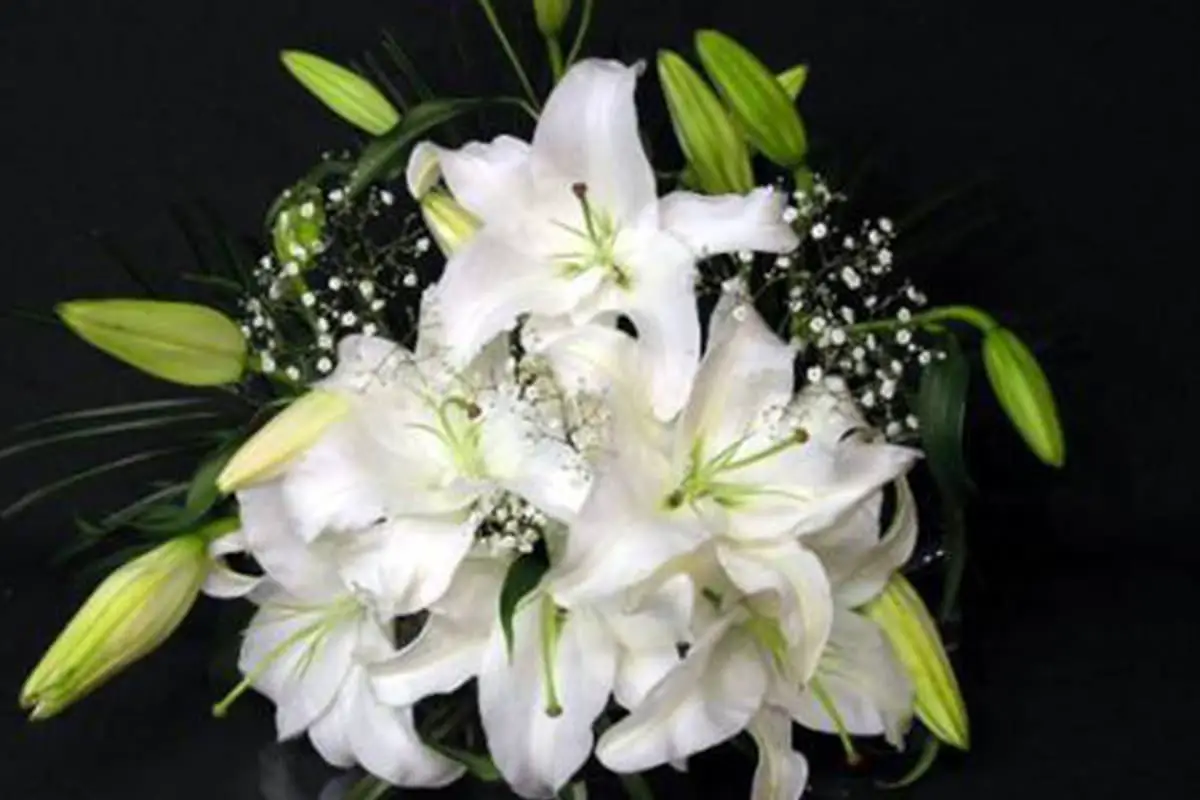
17. Casablanca Lily
The Casablanca lily (Lilium ‘Casa Blanca’) is renowned as one of the most exquisite flowers in the world, celebrated for its stunning beauty and captivating fragrance. This Oriental hybrid lily is characterized by its large, pristine white blooms, often reaching up to 10 inches (25 cm) in diameter, with elegantly curved petals and prominent golden-yellow anthers.
Contrary to the legend mentioned, the Casablanca lily is actually associated with positive symbolism in many cultures. It represents purity, innocence, and renewed love, making it a popular choice for weddings and other celebratory events. The flower’s name, “Casa Blanca,” means “white house” in Spanish, further emphasizing its association with purity and elegance.
In the language of flowers, lilies generally symbolize majesty and honor. The white Casablanca lily, in particular, is often linked to virtue, devotion, and rebirth. Its strong, sweet fragrance and impressive appearance make it a favorite among gardeners and florists alike.
Horticulturally, Casablanca lilies are prized for their ease of cultivation and dramatic impact in gardens. They thrive in well-drained, slightly acidic soil and prefer full sun to partial shade. These lilies bloom in mid to late summer, adding a touch of sophistication to any landscape.
While all parts of the lily plant are toxic to cats, there is no scientific basis for the claim that the Casablanca lily brings tragedy to lovers. Instead, it continues to be cherished worldwide for its beauty, fragrance, and symbolic meanings of love and purity.
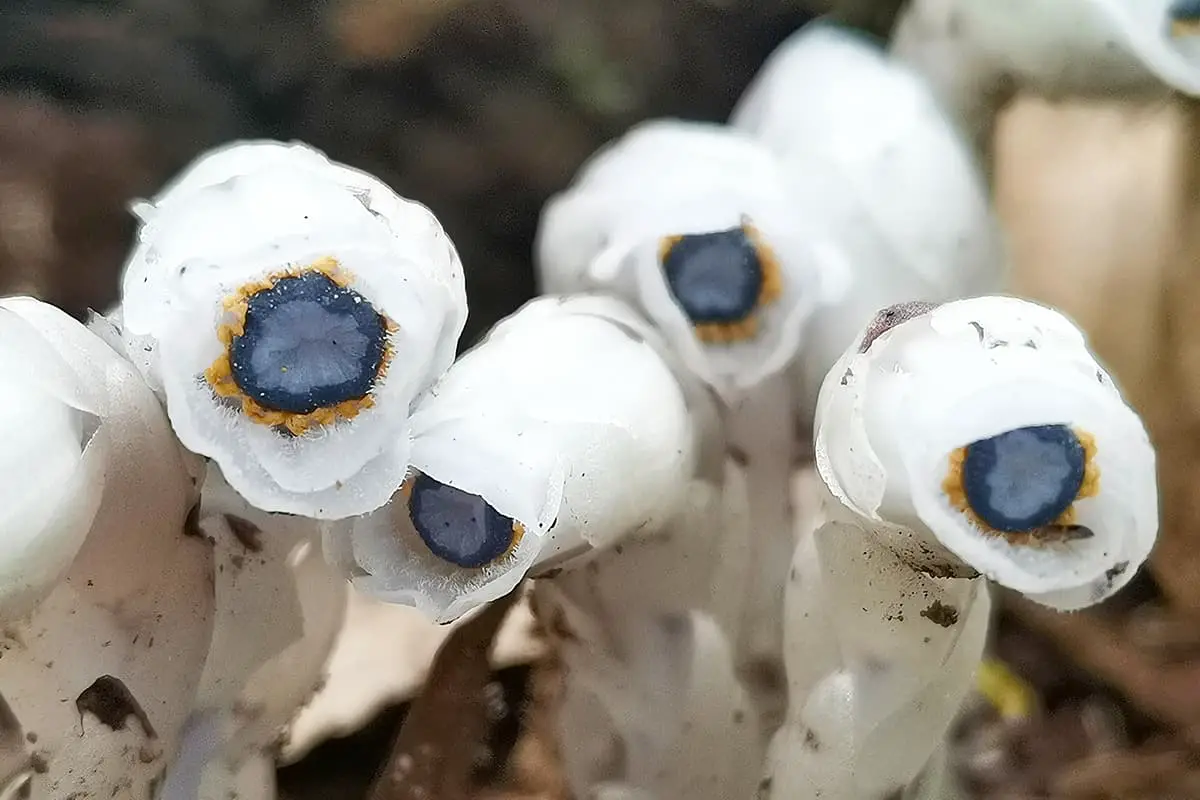
18. Crystal Orchid (Cleisostoma arietinum)
The Crystal Orchid, scientifically known as Cleisostoma arietinum, is a strikingly beautiful and incredibly rare epiphytic orchid species. It grows to a diminutive height of only 10 to 30 centimeters, making it a delicate and exquisitely transparent miniature orchid. Despite its ethereal beauty, this orchid has earned a reputation as a “flower of death” due to its unique ecological niche and symbolic associations.
Native to the tropical and subtropical regions of Southeast Asia, particularly Thailand and Malaysia, the Crystal Orchid thrives in specific microhabitats within dense, humid forests. It grows predominantly on damp, decomposing leaves and organic matter in dark, shaded areas, often found in the understory of larger trees or in secluded forest pockets.
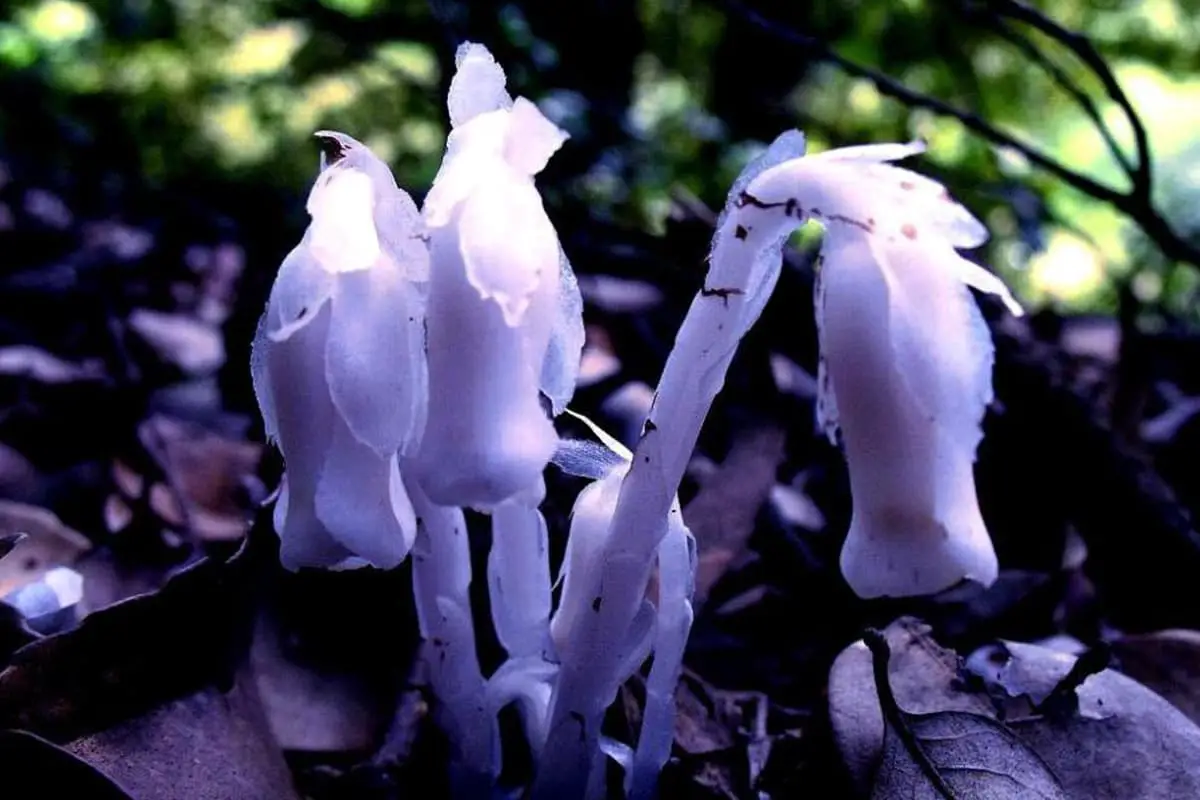
The Crystal Orchid’s life cycle represents a poetic interplay between life and death in nature. When in bloom, its flowers are pure white and nearly translucent, resembling delicate crystals – hence its common name. The petals and sepals are so thin that they appear almost ghostly, allowing light to pass through them. This ethereal appearance is heightened by the orchid’s preference for dim environments, where it seems to glow softly in the forest shadows.
However, as the flowers begin to wilt, they undergo a dramatic transformation. The once-pristine white petals gradually darken, eventually turning completely black before falling off. This stark color change from white to black is reminiscent of the unpredictable and often abrupt nature of life and death, adding to the plant’s mystique and symbolic significance in various cultures.
The Crystal Orchid’s unique growing habits and appearance have made it a subject of fascination for botanists and orchid enthusiasts alike. Its cultivation is extremely challenging, requiring precise replication of its natural habitat conditions, including high humidity, filtered light, and a delicate balance of nutrients from decomposing organic matter.
In its natural habitat, the Crystal Orchid plays a small but significant role in the forest ecosystem. By growing on decaying plant matter, it contributes to the nutrient cycling process, helping to break down organic materials and return nutrients to the forest floor.
Conservation efforts for the Crystal Orchid are crucial, as its specific habitat requirements make it particularly vulnerable to deforestation and climate change. Efforts to protect its natural habitats and develop sustainable cultivation methods are ongoing, aiming to preserve this unique and symbolically rich species for future generations to study and admire.
Conclusion
Through this exploration, we’ve delved into the complex symbolism of flowers associated with destruction, death, and curses. It’s important to note that while these flowers carry ominous meanings in certain cultures or contexts, their significance can vary widely across different societies and time periods.
Understanding the symbolism behind these flowers enriches our appreciation of floral lore and cultural traditions. However, it’s crucial to remember that plants themselves are neutral entities in nature, and their symbolic meanings are human constructs that have evolved over time.
While it’s wise to be mindful of cultural sensitivities when giving flowers as gifts, it’s equally important to recognize that many of these plants also have positive associations and practical uses. For instance, some are valued for their medicinal properties, ecological benefits, or simply for their aesthetic beauty in gardens and landscapes.
In the end, the power of flower symbolism lies in our awareness and interpretation. By understanding these complex meanings, we can make more informed choices in our use of flowers, whether for personal enjoyment, garden design, or in social interactions. This knowledge adds depth to our relationship with the plant world and highlights the rich tapestry of human culture and its connection to nature.


 English
  العربية
  Bahasa Indonesia
  Deutsch
  Français
  Italiano
  Nederlands
  Português
  Русский
  日本語
日本語