600+ Types of Flowers A To Z (With Names and Pictures)
Types Of Flowers By Names (A-Z) Types Of Flowers By Color Types Of Flowers By Season Types Of Flowers By Blooming Time 600+ Types of Flowers No. Flower Name No.…

The Cucurbita moschata, also known as the pumpkin flower, serves both as a vegetable and a medicinal herb. It is beneficial for clearing damp-heat, reducing swelling, dissipating stasis, cancer prevention, treating jaundice, dysentery, coughs, and abscesses.
It also aids in the alleviation of various inflammatory conditions such as conjunctivitis and mastitis, and is regularly used as a health food for strengthening the body.
It can be used in a variety of delicious dishes such as egg soup with double flowers, fried pumpkin flowers with green peppers, raw bitter gourd with pumpkin flowers, stuffed pumpkin flowers, fried flower buns, pumpkin flower pancakes, and pumpkin flower seaweed soup.
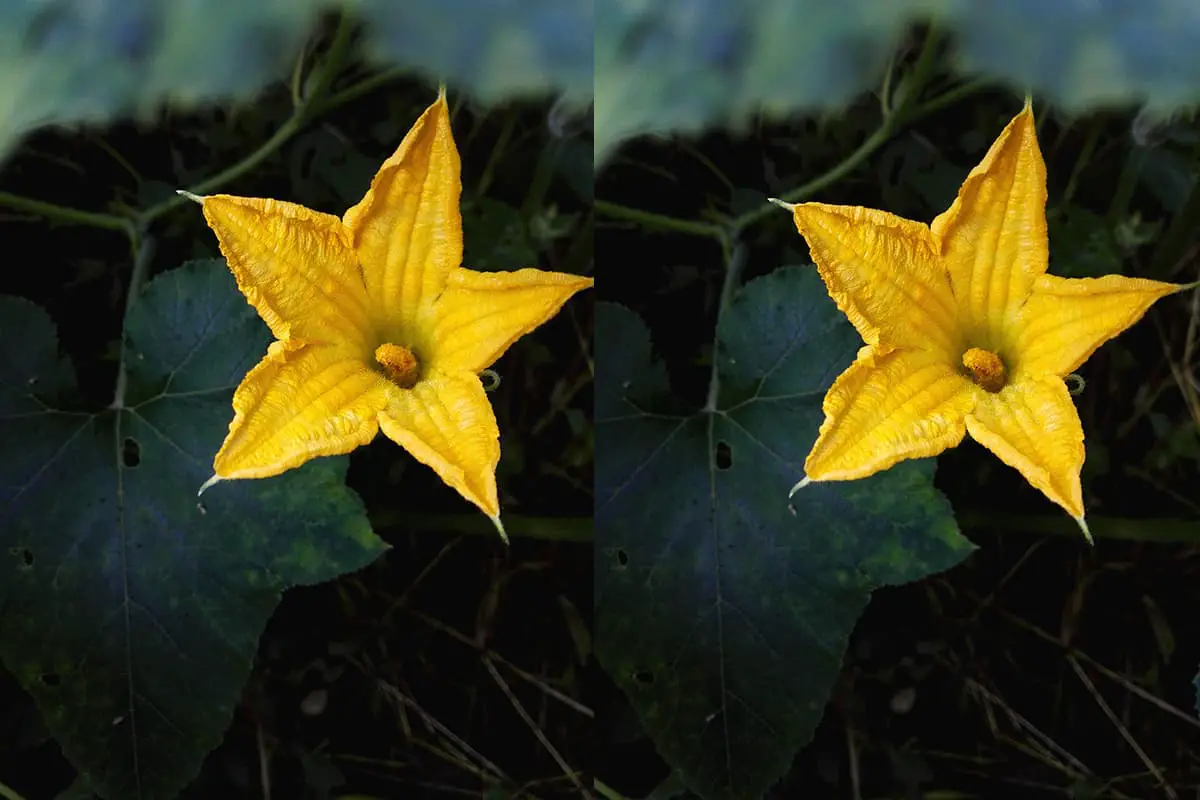
It is an annual creeping herbaceous plant, with stems reaching 2-5m. Roots usually grow at the nodes, densely covered with white stiff hairs. The leaves are alternate; the petioles are robust, 8-19cm long, covered with stiff hairs.
The leaf blades are broadly ovate or ovate-round, with 5 angles or 5 shallow lobes, 12-25cm long, 20-30cm wide, with a pointed tip, a deep heart-shaped base, green on top, lighter green underneath, covered with stiff hairs and down on both sides, with small and dense serrations on the edges. The tendrils are slightly robust, hairy with 3-5 branches.
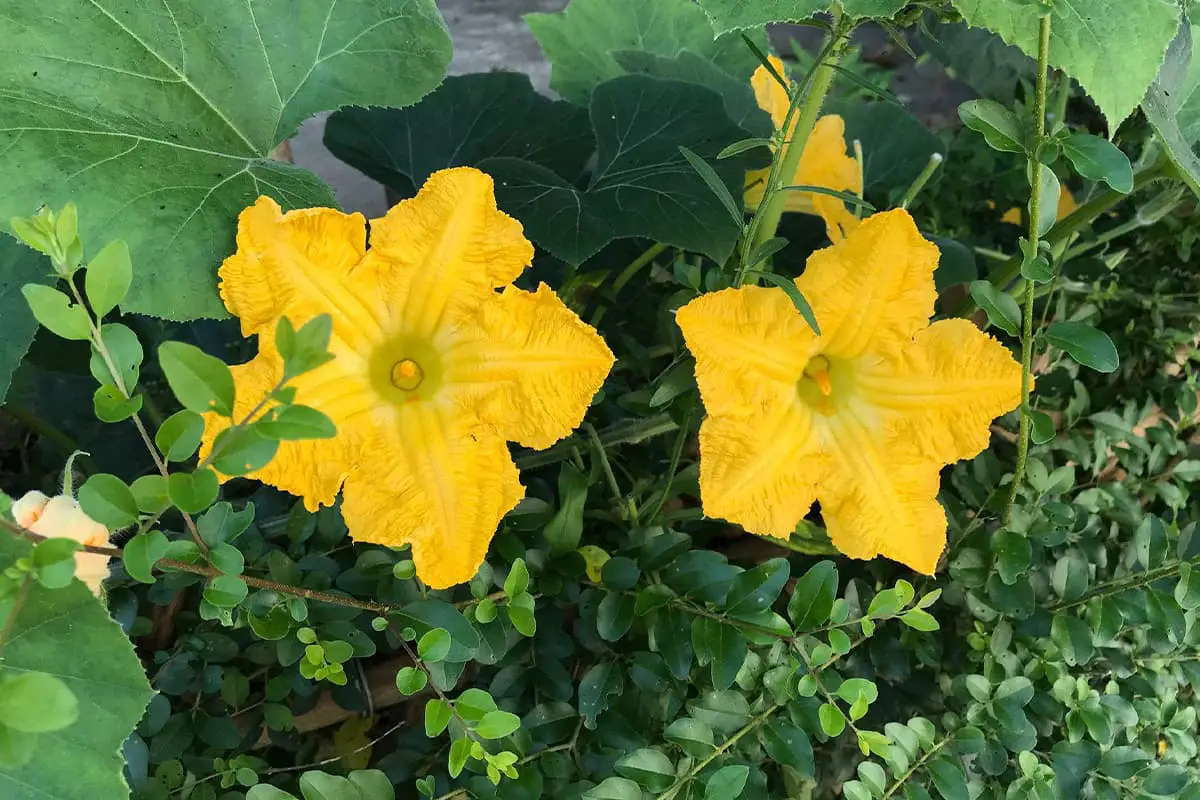
The flowers are unisexual, monoecious; the male flowers are solitary, the calyx tube is swollen bell-shaped, 5-6mm long, the lobes are linear, 10-15mm long, covered with soft hair, the upper part expands into leaf-like, the corolla is yellow, bell-shaped, about 8cm long, 5 medium lobes, the edges of the lobes roll back, there are 3 stamens, the filaments are glandular, 5-8mm long, the chambers are curved; the female flowers are solitary, the ovary is unilocular, the column is short, the column heads are 3, swollen, with 2 lobes at the tip, the fruit stem is robust, with ridges and grooves, 5-7cm long, the fruit stalk expands into a bell shape.
The shape of the fruit varies, the outside often has longitudinal grooves. The seeds are numerous, oblong or oblong-oval, grayish-white. The flowering period is from June to July, and the fruiting period is from August to September.
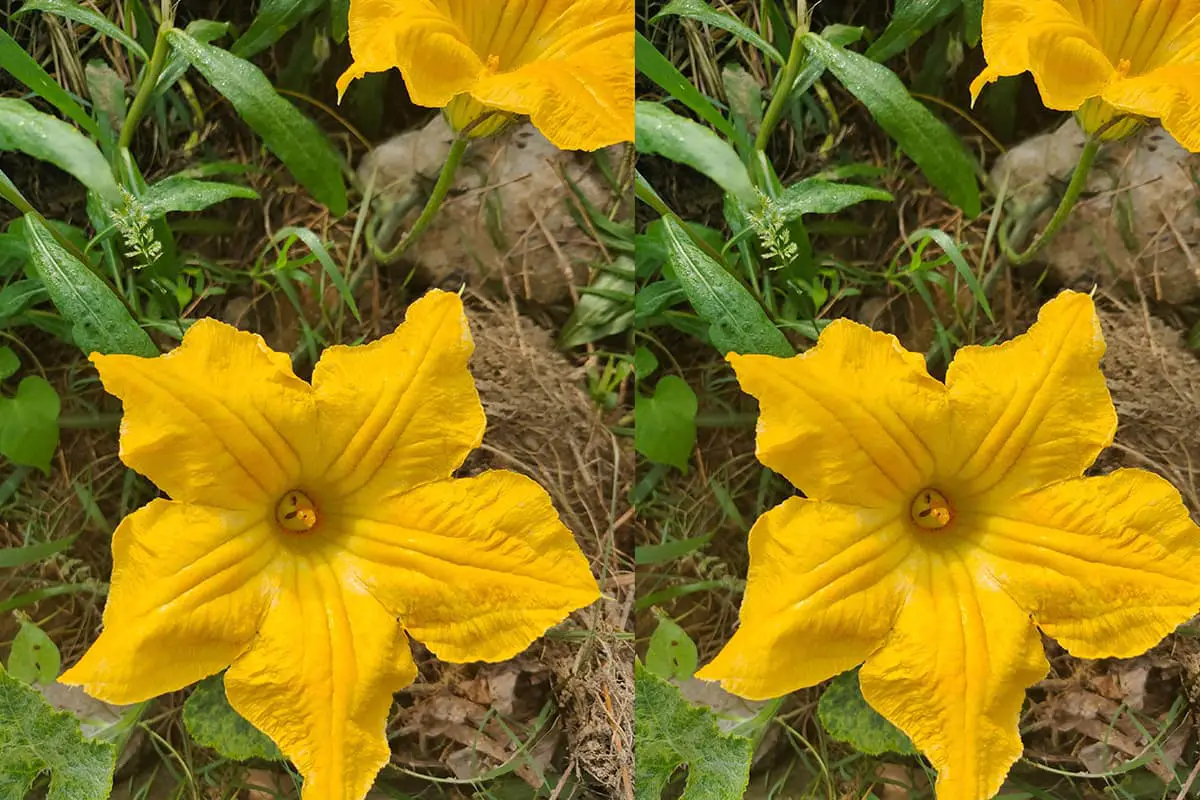
Latin name for plant, animal, and mineral: Cucurbita moschata (Dch. Ex Lam.) Duch. Ex Poir.
Source: The flower of the pumpkin plant of the Cucurbitaceae family.
Taste: Sweet; nature: Cool.
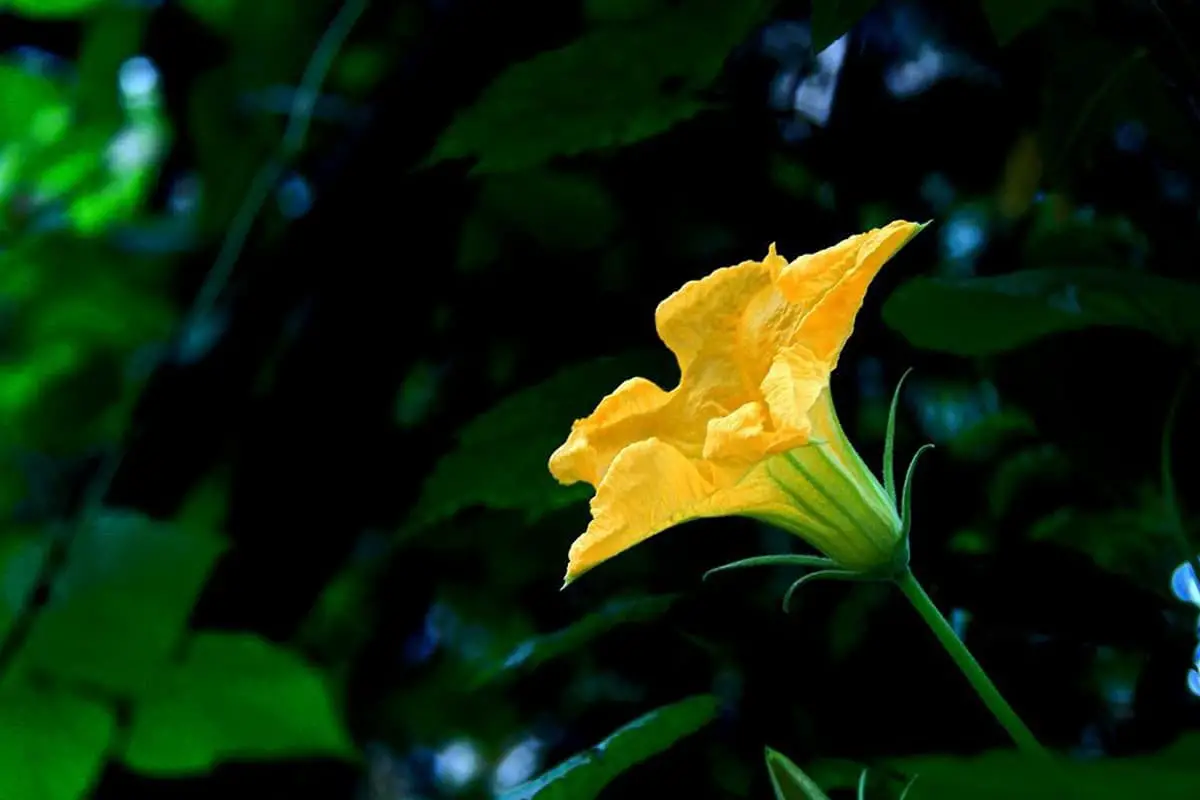
Main functions: Clear damp-heat, reduce swelling, and detoxify. Treat jaundice, dysentery, coughs, and abscesses.
Harvest and storage: Harvest during the flowering period from June to July, use fresh or dried.
Usage and dosage: Oral administration: decocted in water, 9-15g. External use: mashed or ground into powder for topical application.
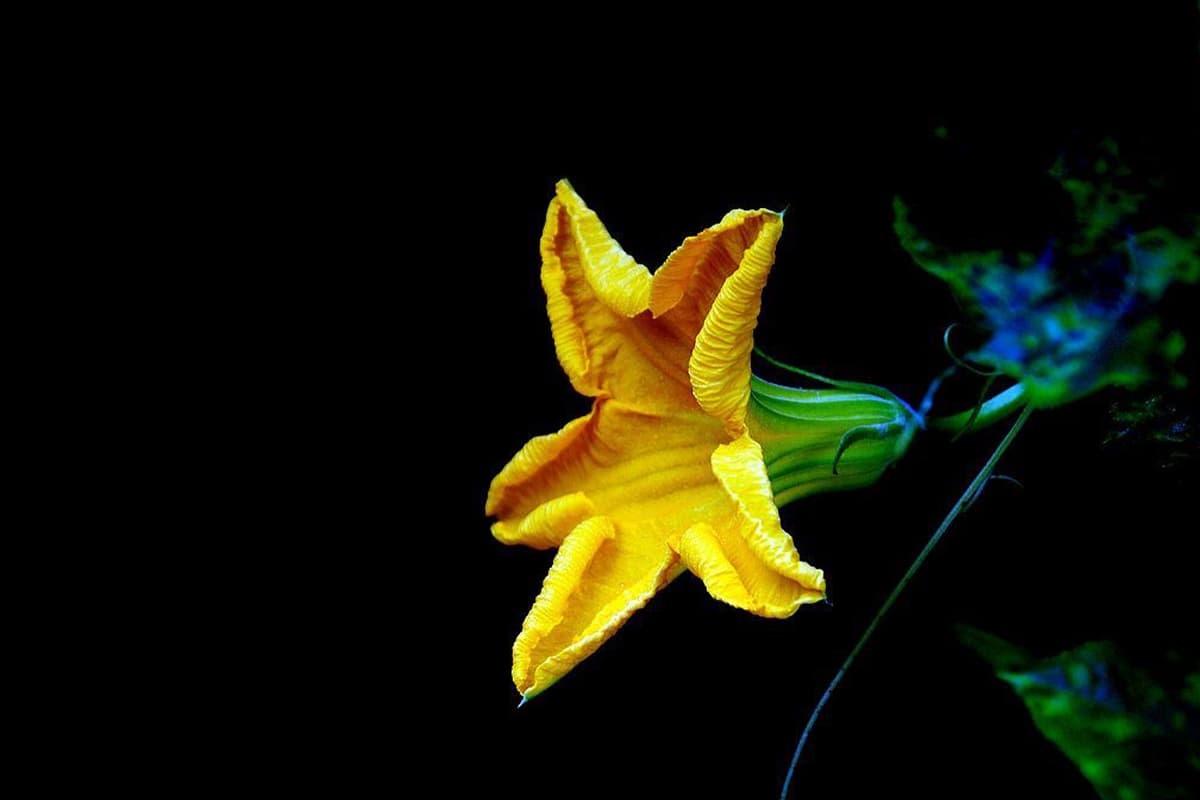
Pumpkin Flower: Apricot yellow in color, monoecious, solitary. The male flower has large corolla lobes with long and sharp tips; the female flower has sepal lobes that are leaf-like; there are three enlarged stigmas, bifurcated.
The flower stalk is about 30 centimeters long. The flower base is green and pentagonal bell-shaped. The skin of the flower stalk, the surface of the flower base, and the stamen of the flower are removed, the rest is edible.

Peggie was once a high school mathematics teacher, but she set aside her chalkboard and textbooks to follow her lifelong passion for flowers. After years of dedication and learning, she not only established a thriving flower shop but also founded this blog, “Flowers Library”. If you have any questions or wish to learn more about flowers, feel free to contact Peggie.
 English
  العربية
  Bahasa Indonesia
  Deutsch
  Français
  Italiano
  Nederlands
  Português
  Русский
  日本語
日本語