600+ Types of Flowers A To Z (With Names and Pictures)
Types Of Flowers By Names (A-Z) Types Of Flowers By Color Types Of Flowers By Season Types Of Flowers By Blooming Time 600+ Types of Flowers No. Flower Name No.…

Crocus sativus is a perennial herbaceous plant in the family Iridaceae. Its bulbs are flat and round, with a diameter of about 3 centimeters, covered in yellow-brown membranous skin. The leaves are linear and grayish-green, with curled edges.
The flowers can be light blue, reddish-purple, or white, with a fragrant aroma. The stigma is orange-red and slightly flattened, and the fruit is oval-shaped, about 3 centimeters long.
Saffron is native to the Mediterranean coast of southern Europe and Asia Minor. It prefers warm and humid climates, tolerates cold temperatures, and is susceptible to waterlogging. It is suitable for cultivation in regions with relatively warm winters.
Saffron has been used by the ancient Egyptians to treat gastrointestinal disorders, and Indian women have used it for centuries for beauty, skincare, and anti-aging purposes.
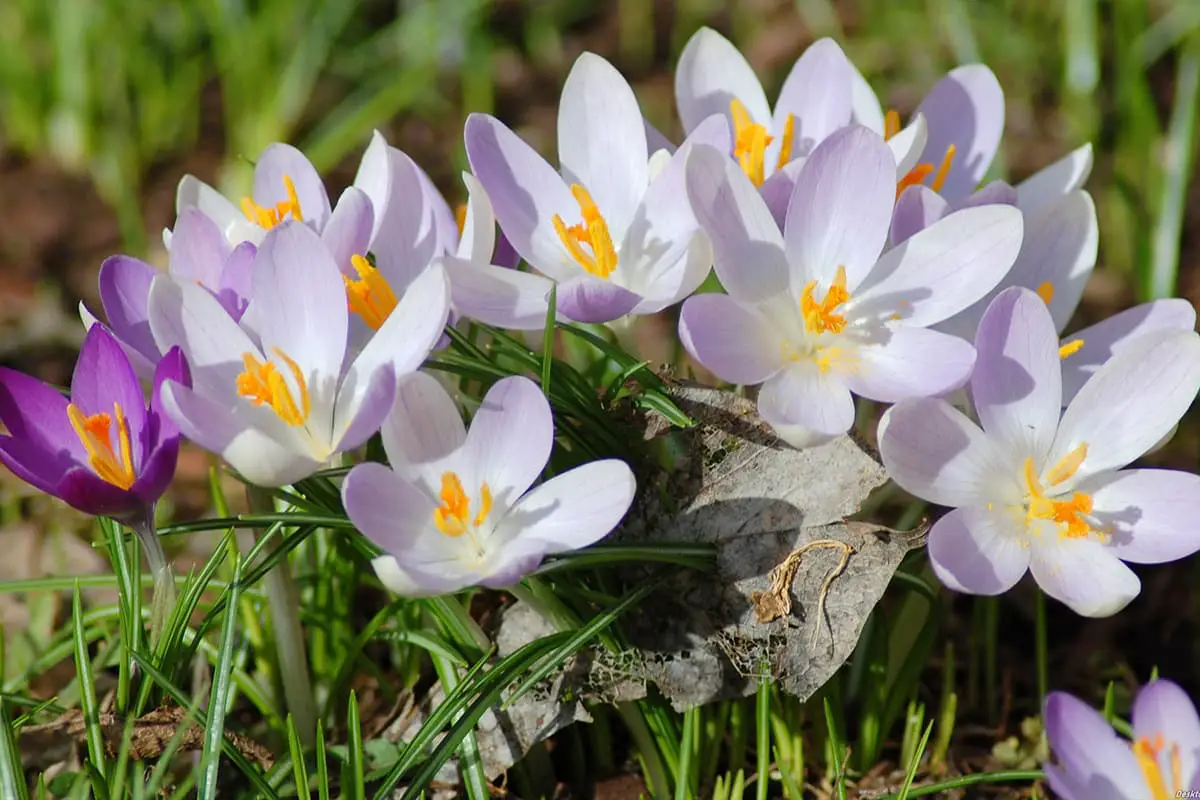
Saffron has a sweet taste, neutral nature, and possesses the effects of promoting blood circulation, resolving stasis, cooling blood, detoxifying, relieving depression, and calming the mind.
It contains various glycosides that can increase blood flow in the coronary arteries, regulate blood circulation, and have anti-fatigue and anti-aging properties. Research has also found that saffron exhibits good anticancer activity.
Saffron is a perennial herbaceous plant. The bulb is flattened and round, with a diameter of about 3 centimeters, covered with a yellow-brown membranous sheath.
The basal leaves are 9-15 in number, linear in shape, grayish-green, 15-20 centimeters long and 2-3 millimeters wide, with curled edges; the base of the leaf cluster is covered with 4-5 membranous sheath-like leaves.
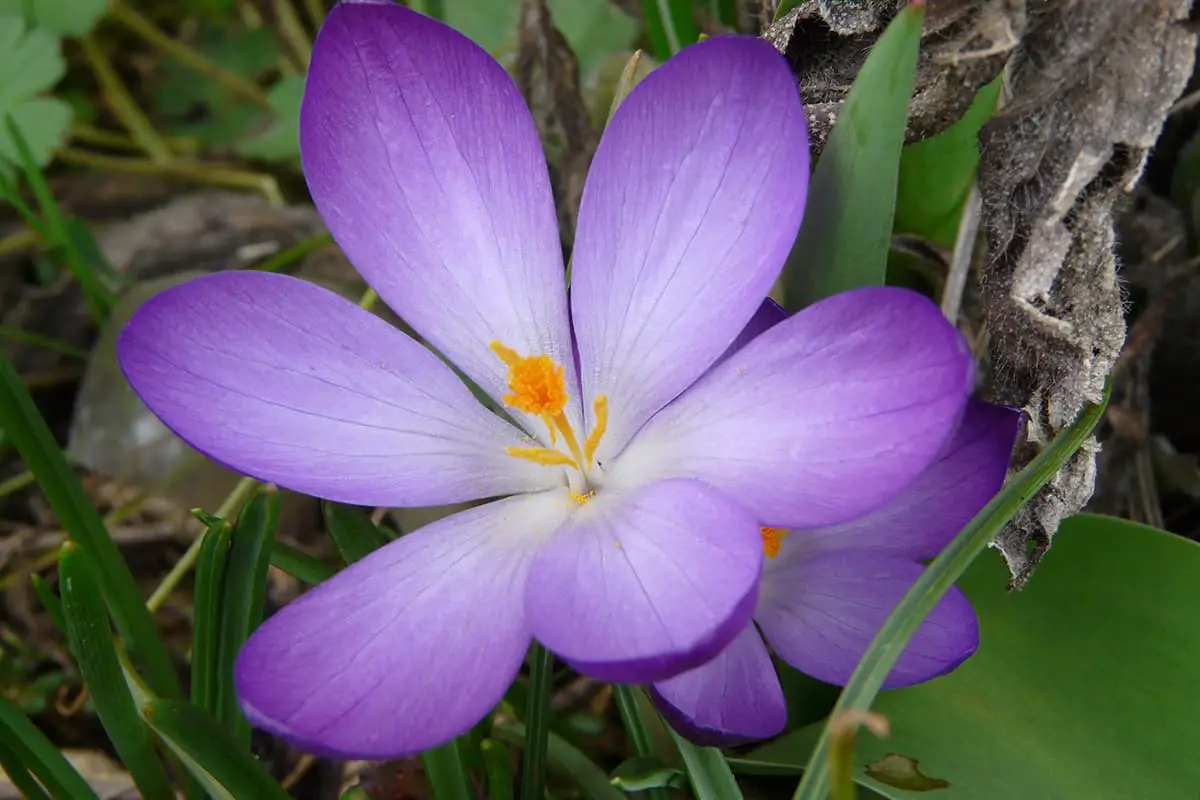
The flower stalk is very short and does not extend above the ground; there are 1-2 flowers, pale blue, reddish-purple or white, fragrant, with a diameter of 2.5-3 centimeters.
The perianth is divided into 6 lobes, arranged in two whorls, both lobes of the inner and outer whorls are inverted ovate, blunt at the apex, 4-5 centimeters long; the stamens are erect, 2.5 centimeters long, with yellow anthers, pointed at the top, slightly curved.
The stigma is orange-red, about 4 centimeters long, with 3 branches in the upper part, the branches are curved and drooping, the stigma is slightly flattened, wedge-shaped at the top, with shallow teeth, longer than the stamens, and the ovary is narrow and spindle-shaped. The capsule is oval, about 3 centimeters long.
The complete stigma is linear in shape, with a wider base and gradually tapering down to a tail-like shape, with irregular tooth-like edges at the apex, and residual yellow flower branches at the base. It is about 2.5 centimeters long and about 1.5 millimeters in diameter.
It is purplish-red or dark reddish-brown, slightly shiny. It is light in weight, soft in texture, and becomes brittle when dried.
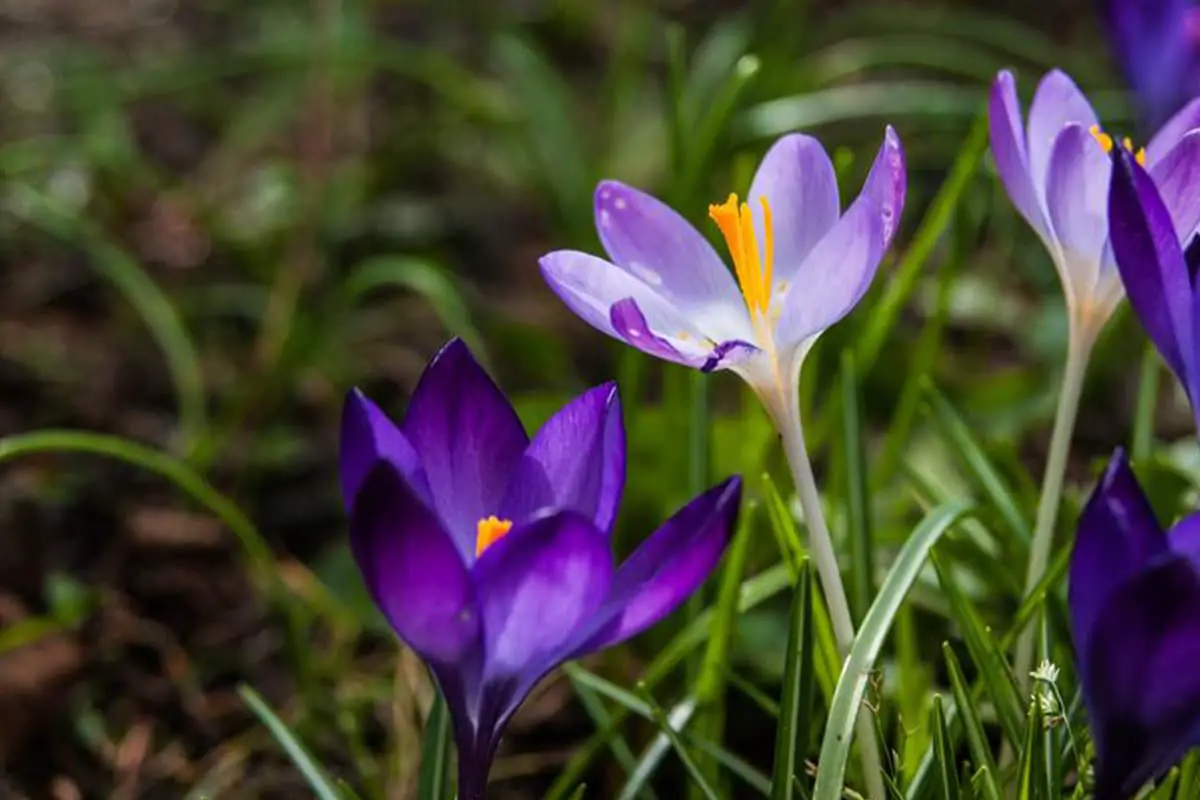
When the stigma is placed in water, it expands, and an orange-yellow line can be seen descending and gradually spreading, dyeing the water yellow. The unstained stigma is trumpet-shaped with short slits. It does not break when probed with a needle in a short period of time.
It has a unique odor, slightly irritating, and a slightly bitter taste. The best saffron is long in length, purplish-red in color, moist and shiny, with few yellow stigmas, and a cool and spicy taste.
Saffron
Branches and leaves
The tubers are flattened round-shaped with a diameter of about 3 centimeters, covered with a yellow-brown membranous layer. The leaves are linear in shape, gray-green in color, with curled edges.
Flowers and fruits
The flowers are pale blue, reddish-purple, or white in color, with a fragrant scent. The pistil is orange-red in color, and the stigma is slightly flattened. The fruits are oval-shaped.
White saffron
Branches and leaves
The stems are flattened and round-shaped, covered with a light yellow or yellow-brown membranous layer. There are 6-8 leaves, which are strip-shaped with curled edges.
The surface is green, and the back is light green. The flower stems are very short and do not extend out of the ground.
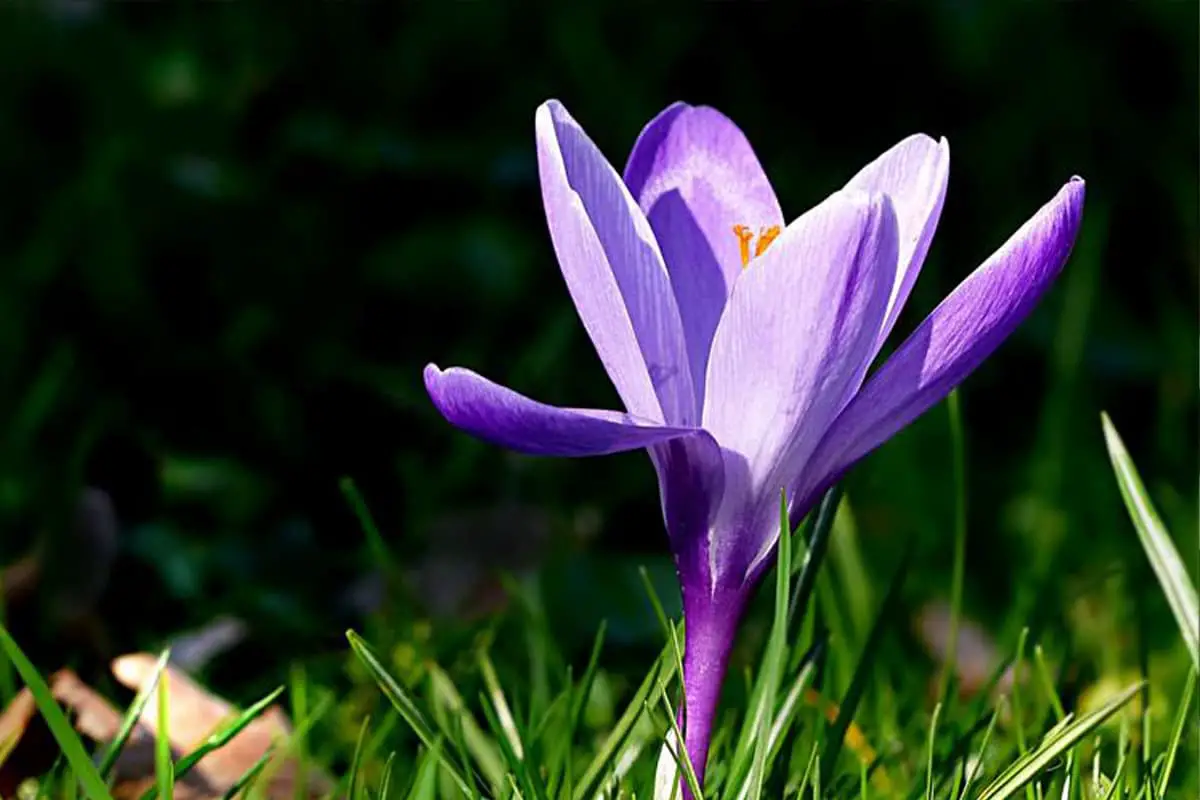
Flowers and fruits
The flowers are white. The pistil is thread-like, approximately 2.5 centimeters long, with 3 branches at the top. The stigma is slightly swollen. The ovary is narrow and spindle-shaped, approximately 7 millimeters long.
Originally from southern Europe, commonly cultivated in various parts of China. It is generally believed that saffron originated in the Mediterranean region, Anatolia, and Iran. It is cultivated in Iran and Kashmir.
The early main cultivation centers were Silesia and Anatolia. In around 961, saffron was planted in Spain by the Arabs. It was documented in an English medical book in the 10th century.
It disappeared in Western Europe until it was reintroduced by the Crusaders. At many times, saffron was more valuable than the same weight of gold and is still considered the most precious spice in the world today.
It is mainly grown in Spain, France, Sicily, the Apennine Mountains in Italy, Iran, and Kashmir.
Saffron is a bulbous flower that is planted in autumn. It is native to southern Europe. It prefers cool and moist environments with partial shade, tolerates cold temperatures, and prefers well-drained sandy loam soil rich in organic matter.
pH value should be between 5.5 and 6.5. The bulbs are dormant in summer, and new roots and leaves emerge in autumn. The flowers bloom in late October, opening during the day and closing at night.
Usually carried out in August to September, mature bulbs have multiple main and side buds. After flowering, new bulbs are formed from the base of the leaf cluster.
After the aboveground parts wither in summer, the bulbs are dug out, graded, dried in the shade, and stored. Planting earlier is beneficial for the formation of strong seedlings. Each mature bulb has several main buds and side buds.
When planting, bulbs weighing more than 8 grams should be separated from small bulbs. Bulbs weighing less than 8 grams cannot flower in the same year and need to be cultivated for another year.
For potted plants, select bulbs weighing around 20 grams in October, use flower pots with an inner diameter of 15 centimeters, and plant 5 to 6 bulbs per pot. After planting, keep them outdoors for maintenance.
After about two weeks, roots will grow, and then move them to an indoor location with sufficient light and fresh, moist air. They will bloom around New Year’s Day.
After flowering, remove the remaining flowers to prevent nutrient depletion, and apply 1 to 2 applications of compound fertilizer solution with phosphorus and potassium as the main components to promote the growth and strength of the bulbs.
Continue with normal maintenance until the aboveground parts turn yellow in early summer, then take out the bulbs, let them dry in the shade, and store them.
Saffron can also be cultivated and enjoyed in water, using the same method as growing narcissus in water.
Open field method. Plant first, then harvest flowers. The planting period is generally from August to October, preferably earlier rather than later.
Early planting allows the bulbs to root before sprouting, resulting in early emergence of seedlings and promoting plant growth and development. Late planting results in sprouting before rooting, delayed emergence of seedlings, and poorer growth of young seedlings.
Bulbs are planted in three size categories: large, medium, and small, for better management. Small bulbs have a row spacing of 10-15 centimeters, plant spacing of about 5 centimeters, and a planting depth of 5 centimeters; medium bulbs have a row spacing of 10-15 centimeters, plant spacing of 5-10 centimeters, and a planting depth of 10 centimeters; large bulbs have a row spacing of 15 centimeters, plant spacing of 10-15 centimeters, and a planting depth of 10 centimeters.
When planting, open a trench horizontally in the bed, place the main bud of the bulb facing upwards, gently press it into the trench, cover with soil, and water the next day. Then, add 1-2 centimeters of additional soil to prevent cracking and compaction.
Indoor method. The differentiation of saffron flower buds and the flowering of buds are both completed indoors. Around mid-May, after the above-ground parts of saffron wither, dig out the bulbs, trim off the remaining leaves at the top, remove the remnants of the mother bulbs, and immediately move them indoors.
Sort them by size and place them on indoor shelves. No need to bury them in soil, place the bulb buds facing upwards, and arrange them flat on the shelves with slight gaps between the bulbs.
The shelf is 1 meter long, 0.6 meters wide, and 10-15 centimeters high, and can be made of bamboo or wood. The shelf has 8-10 layers, with each layer being 30-35 centimeters high.
The indoor temperature should be controlled below 31°C before early August, with 24-29°C being ideal for the differentiation of flower buds and leaf buds. Maintain a relative humidity of above 80%.
After mid-August, as the temperature drops, cooling measures are generally not necessary. The suitable temperature for saffron flowering is 15-18°C. From the end of early October, it is best to maintain an indoor temperature of 15-18°C.
Flowering occurs from late October to early November. After the flowers are harvested, remove the side buds in a timely manner. For bulbs weighing more than 20 grams, leave 2-4 main buds at the top, for bulbs weighing less than 20 grams, leave 1-2 main buds, and remove all the others.
Then, plant the bulbs in the field. The advantage of this method is that the flowering period is concentrated, making it easy to harvest flowers, saving labor and time, requiring a short occupation of land, and having fewer diseases and pests.
The disadvantage is that the planting time for bulbs is too late, which affects plant growth and is not conducive to bulb enlargement.
Due to the difficulty of saffron seed setting, seeds need to be obtained through artificial pollination. After the seeds mature, they can be sown immediately in outdoor seedbeds or pots.
The seeding density should not be too high, it is better to be sparse, as plants need to grow bulbs and typically cannot be dug up within 2 years. It often takes 3-4 years from seed sowing to plant flowering.
The soil should be thoroughly turned and finely cultivated, with sufficient base fertilizer applied. The bulbs must be selected with large and plump size, without any mold or disease spots, and should be planted with a spacing of 10 cm x 15 cm, at a depth of about 5 cm.
For planting bulbs in autumn, cover them with soil at a depth of 5-8 cm. During the growth period, timely weeding is necessary. After rain, attention should be paid to drainage.
In case of autumn drought, loosening the soil and watering should be done to maintain soil moisture for better root development. Flowering occurs in October, and one round of fertilization after flowering is beneficial for bulb development.
After one planting, bulbs can be dug out and divided when they become crowded after several years. The bulbs should be stored in a dry room at a temperature of 17-23°C.
Saffron grows during the dry winter and spring seasons, so watering should be paid special attention. Around 20 days after planting, water should be applied once before emergence to facilitate germination.
Before winter, one round of frost protection water should be irrigated to increase soil temperature. In mid-April, one round of watering should be done to reduce the harm caused by dry hot winds.
Before planting, well-rotted organic fertilizer such as cake fertilizer, stable manure, burnt soil, wood ash, chicken and duck manure, etc., should be applied. Some superphosphate should also be added.
After the roots and leaves have sprouted, a balanced and diluted liquid fertilizer containing nitrogen and phosphorus can be applied every 10 days.
For example, add an appropriate amount of potassium dihydrogen phosphate to well-rotted cake fertilizer solution until the flower stem is removed and the flower bud appears.
Avoid excessive and concentrated nitrogen fertilizer, as it can cause excessive leaf growth and affect the growth of flower buds.
When the seedlings are evenly grown and during the end of flowering, 1500 kg of human manure or an appropriate amount of chemical fertilizer should be applied per acre to promote early growth of the seedlings.
The amount of additional fertilization should be determined based on the growth of the seedlings in spring.
After flowering in October, one to two rounds of balanced quick-acting fertilizer containing nitrogen, phosphorus, and potassium should be applied to promote the growth and development of bulbs, so that the bulbs can store enough nutrients for the following year’s flowering.
In mid to late December, spread a layer of horse manure between the rows on the surface of the bed, and cover it with a small amount of soil to increase fertility and provide insulation and frost protection.
To ensure that the plants produce more and vigorous flowers, when too many lateral buds are found on the plant, some small buds can be removed to ensure that the main bud produces more and larger flowers.
During the growth and development of saffron, stagnant water must be removed in a timely manner, especially during the continuous autumn rain, as the accumulation of water in the seedbed can easily lead to bulb decay and cause unnecessary economic losses.
In case of autumn drought, the seedbed should also be loosened and watered to maintain soil moisture. After the seedlings are even, use a small bamboo knife to insert into the soil and remove the small lateral buds on the outer circle of the plants, leaving only 2-4 larger leaf clusters in the center of each plant to increase the yield of larger bulbs in the following year.
From February to April, when the bulbs are rapidly expanding, timely loosening of the soil and weeding should be done.
In late April to early May, the aboveground parts of saffron gradually turn yellow. Carefully dig them up with an iron rake from one end of the bed.
After digging them up, remove any remaining leaves and roots, and let them air dry in the field for two days before storing them indoors. When storing, divide them according to health, damage, and size standards, and store them in separate categories.
The storage room should be dark, cool, and well ventilated, preferably with a dirt floor. The indoor environment should be kept dry. Generally, the bulbs can increase in weight by 3-5 times. Planting 100 kilograms of bulbs per acre can yield 600-1000 kilograms of bulbs per acre.
The flowering period of saffron, both indoors and in the field, is from mid-October to early November, with the peak flowering occurring from 9 to 11 am each day.
The flowers have a bright color. Indoors, the weather does not affect the harvesting, so flowers can be harvested all day. For outdoor flowers, they should be picked from 8 to 11 am on the first day of blooming.
Picking them late may result in the stigma being contaminated with pollen, affecting the quality. After harvesting, remove the petals and extract the pistils and stigmas, preferably keeping them in groups of three.
Spread them on white paper in a well-ventilated and shaded area for drying. For large quantities, a drying oven can be used, and they should be stored in a lightproof and airtight container before being sold.
Generally, 80 flowers can be processed into 1 gram of dried flowers, and 1-2 kilograms of dried flowers can be obtained per acre.
Take the raw material and remove impurities. The appearance of the medicinal herb: saffron consists of multiple stigmas loosely gathered together in a linear shape. The stigmas are divided into three branches, about 30 millimeters long, and dark red.
The upper part is wider and slightly flattened, with an irregular toothed edge on the tip, a short fissure on the inner side, and sometimes a small segment of yellow stigma residue at the lower end.
It is light in weight, soft in texture, moist, and glossy, or without gloss and oily. It has a unique and fragrant aroma, slightly irritating, and a slightly bitter taste. Store it in a dry and airtight container, in a cool and dry place, and keep it away from light.
Fungal diseases can harm corms and seedlings. Damaged or diseased corms should be removed from storage to prevent decay and the spread of pathogens. Spraying with a 500-fold dilution of 50% tolfenpyrad wettable powder can be used for prevention and control.
Saffron is an herbal plant used by ancient Egyptians to treat gastrointestinal diseases. Indian women have used it for centuries for its beauty-enhancing and anti-aging properties.
Saffron has a sweet taste and neutral nature, and it is known for its ability to invigorate blood circulation, cool blood, detoxify, and calm the mind.
It contains various glycosides that can increase blood flow in the coronary arteries, regulate blood circulation, and provide anti-fatigue and anti-aging effects. Studies have also found that saffron has good anti-cancer activity.
Saffron is a well-known precious Chinese medicinal herb, with its small stigma being the main medicinal part, making it highly valued.
The flower contains carotenoid compounds, mainly saffron glycoside, saffron acid dimethyl ester, saffron bitter glycoside, and volatile oil, with saffron aldehyde being the main component in the oil.
The dried stigma of saffron has a sweet taste and neutral nature, and it can invigorate blood circulation, disperse stagnation, relieve pain, and calm the mind.
It is used to treat depression, chest stuffiness, vomiting blood, delirium in typhoid fever, fear and confusion, women’s amenorrhea, stagnant menstruation, incomplete lochia after childbirth, painful blood stasis, measles, bruises, and sprains.
It is also used as a sedative and wind-expelling agent in foreign countries. It invigorates blood circulation, disperses stagnation, cools blood, detoxifies, and calms the mind. It is used for skin eruptions caused by heat toxins, depression and chest stuffiness, and delirium.
Saffron, with its pungent golden stigmas, is highly prized for its use in food seasoning and coloring, as well as a dye. It has a strong and unique aroma and a bitter taste.
It is used as a coloring and seasoning ingredient in Mediterranean and Oriental cuisine, as well as in British, Scandinavian, and Balkan breads. It is also an important component in French fish stews.
In ancient India, saffron stigmas were steam distilled to produce a golden water-soluble fabric dye. After the death of Gautama Buddha, his disciples adopted saffron as the official color for their robes.
In several cultures, royal garments were dyed using this dye. In Greece and Rome, saffron was scattered as a spice in temples, palaces, theaters, and baths.
Saffron had close associations with ancient Greek courtesans. When Nero returned to Rome, the streets were filled with saffron petals.
Its main component is the three stigmas harvested from the flower, which are spread out on a tray and dried over charcoal fire before being used for food seasoning and coloring.
0.45 kilograms (1 pound) of saffron comes from 75,000 flowers, making it the most expensive spice in the world. The essential oil content is 0.5-1%, with the main component being crocin (C16H26O7).
The coloring substance is crocetin (C44H64O26·H2O). Its chemical composition includes crocins 1-4, picrocrocin, crocetin dimethyl ester, α-crocetin, safranal, and volatile oils.
Saffron has slender and delicate foliage, with delicate and elegant flowers. It comes in various colors and has a unique fragrance, making it a good material for embellishing flower beds and arranging rock gardens.
It can also be grown in pots or hydroponically for indoor decoration and viewing. Saffron is not only a favorite in botanical gardens, but also a popular flower for garden decoration or as a potted plant on desks.
It comes in light purple, white, yellow, red, and blue colors, with two flowering periods in spring and autumn.
The spring flowering period is from March to April, while the autumn flowering period is from late October to mid-November, with more flowers blooming in spring. Due to its small size and cold tolerance, it can be used as indoor decoration during cold weather.
Floral Language: Joy.

Peggie was once a high school mathematics teacher, but she set aside her chalkboard and textbooks to follow her lifelong passion for flowers. After years of dedication and learning, she not only established a thriving flower shop but also founded this blog, “Flowers Library”. If you have any questions or wish to learn more about flowers, feel free to contact Peggie.
 English
  العربية
  Bahasa Indonesia
  Deutsch
  Français
  Italiano
  Nederlands
  Português
  Русский
  日本語
日本語