600+ Types of Flowers A To Z (With Names and Pictures)
Types Of Flowers By Names (A-Z) Types Of Flowers By Color Types Of Flowers By Season Types Of Flowers By Blooming Time 600+ Types of Flowers No. Flower Name No.…

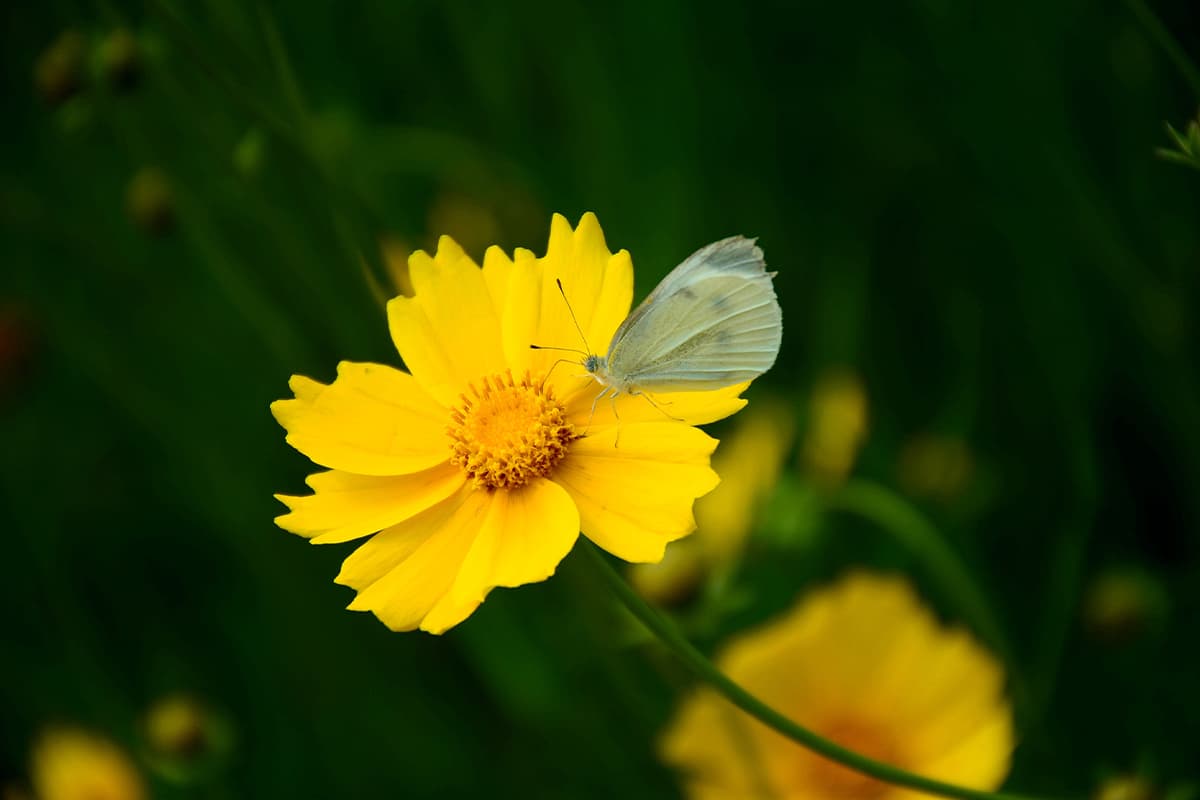
Coreopsis basalis, also known as Goldenmane tickseed, belongs to the Asteraceae family and the Coreopsis genus. It is an annual or biennial herbaceous plant, standing 30 to 60 centimeters tall.
The leaves are pinnately divided into round ovate to oblong segments. The capitulum flower head is singly terminal on the branch, with the outer and inner involucral bracts approximately equal in length.
The ray flowers are yellow in color with a purple-brown base, and the disc flowers are dark purple. The achenes are inversely ovate. The plant blossoms from July to September.
The Goldenmane tickseed is distinguished by its large and vibrant flowers, which stand out against the green leaves, resembling a golden rooster, hence the name.
Originally from North America, the Goldenmane tickseed is commonly cultivated in parks and courtyards throughout China. It is cold and drought resistant, not picky about soil, loves sunlight but can tolerate semi-shade, and is highly adaptable.
It has strong resistance to sulfur dioxide. It is easy to cultivate and often propagates itself. It is typically propagated through seeding or division, but cuttings can also be done in the summer.
The Goldenmane tickseed is primarily valued for its ornamental and medicinal uses. The plant produces an abundance of vibrant flowers and maintains green leaves all winter, with a blooming period extending up to two months.
It serves as an excellent evergreen flowering plant. Its branches, leaves, and flowers can be used for artistic flower arrangement, either in flower baskets or vases. The Goldenmane tickseed can also be made into a tea.
Studies have shown it has hypoglycemic, antioxidant, antihypertensive, and lipid-lowering pharmacological activities, indicating potential medicinal value.
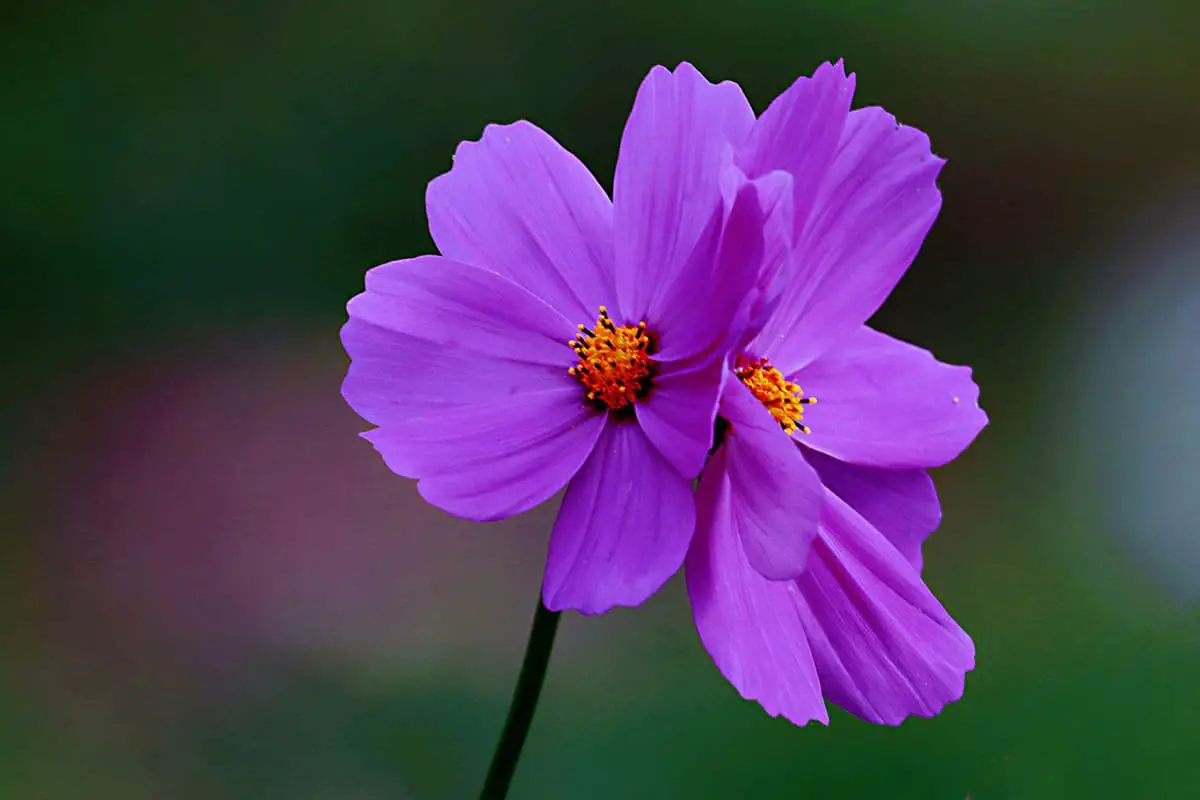
The Goldenmane tickseed is an annual or biennial herbaceous plant standing 30 to 60 centimeters tall. It is sparsely covered with soft hairs and is highly branched.
The leaves have stalks, and the leaf blade is pinnately divided into round ovate to oblong segments, or sometimes linear at the top.
The capitulum flower head is singly terminal on the branch, or occasionally in umbel-like clusters, measuring 2.5 to 5 centimeters in diameter, with long peduncles. The outer and inner involucral bracts are approximately equal in length.
The ray flowers are yellow with a purple-brown base, with teeth or segments at the tip. The disc flowers are dark purple. The achenes are inversely ovate, inward curving, with one bony edge. The plant blooms from July to September.

The Goldenmane tickseed is cold and drought resistant, not picky about soil, loves sunlight but can tolerate semi-shade, and is highly adaptable. It has strong resistance to sulfur dioxide.
It thrives best in sunny, well-drained sandy loam. In fertile and moist soil, the branches and leaves flourish but flowering is reduced. The plant dislikes summer heat and is drought resistant. It prefers a casual cultivation management style.
The Black-eyed Susan is native to North America and is commonly cultivated in parks and gardens throughout China.
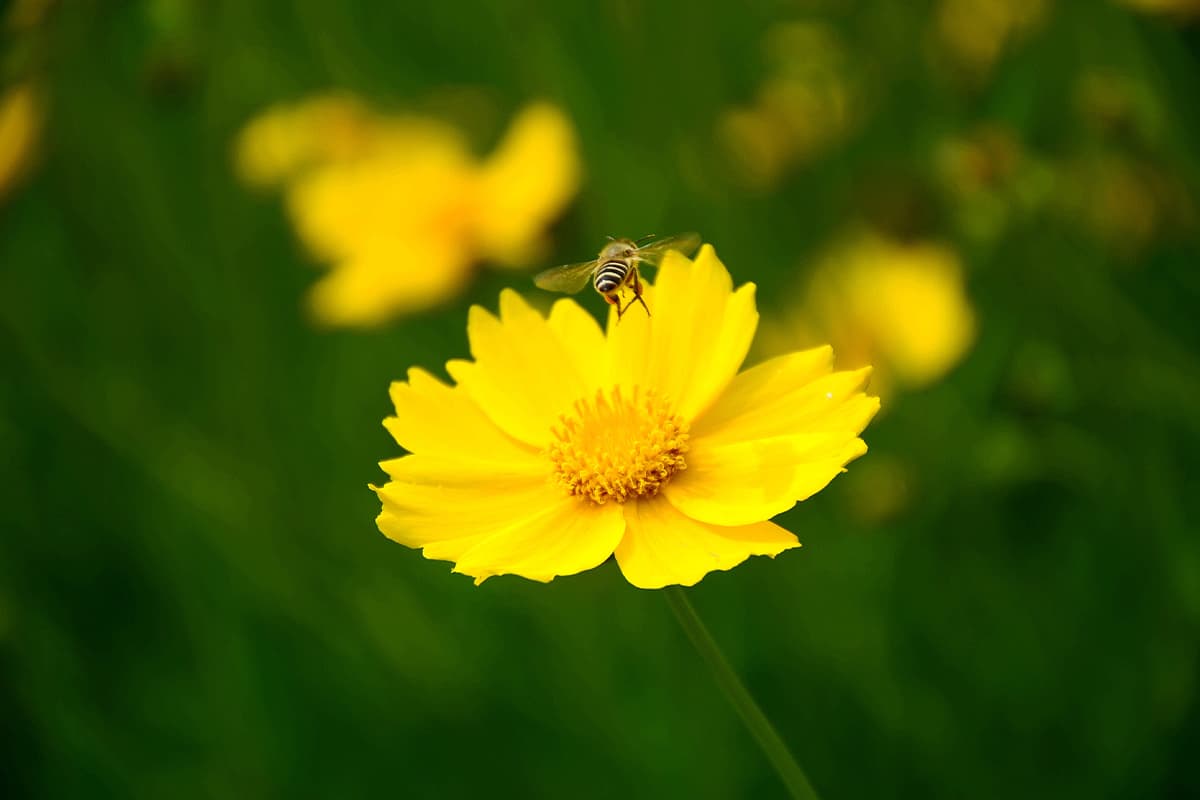
The Black-eyed Susan is typically propagated by seeding or dividing, and can also be propagated by cutting in the summer.
Bed Preparation: Usually, in early spring, Black-eyed Susans are sown indoors in pots. It is common to use a seed pot or wooden box with a diameter of 30 cm and a depth of 5 cm.
Broken tiles are used to cover the drainage holes, followed by the addition of coarse sand 1/3, coarse-grained cultivation soil 1/3, and seeding soil 1/3. Next, the soil surface is compacted and leveled with a wooden stick, keeping the soil 1 cm away from the edge of the pot.
Once the pot soil is thoroughly soaked using the “pot immersion method,” lift the pot and wait until all the water has seeped in before sowing.
Sowing Method: When sowing Black-eyed Susans, open the seed bag and directly sow the seeds evenly in the pot, or mix the seeds with fine sand and then evenly sow them in the pot.
After sowing, cover with a layer of fine soil, then cover the tray with glass and put a newspaper on top of the glass to reduce water evaporation.
Seedling Management: Before the Black-eyed Susan seeds germinate, keep the soil moist. Do not let the seedbed become alternately dry and wet, or too dry or too wet.
Lift the glass for a few minutes in the morning and evening to ventilate, and cover it during the day. After the seeds germinate and sprout, promptly remove the cover, gradually expose them to light, and transplant them once they have grown 1-2 true leaves.
In spring and autumn each year, divide the root base of the parent plant into two or more plants for planting.
Every summer and autumn, the parent plant of the Black-eyed Susan easily grows many creeping stems, which produce many young branches. This part of the young branches can be used for cutting propagation.
The ideal soil for growing marigolds is loose, well-aerated, and rich in humus. Before planting marigolds, it’s crucial to loosen the soil; doing so after rain enhances the root’s respiration. During the rainy season, weeds should be removed weekly.
Marigolds are easy to cultivate. Water thoroughly after planting, then regulate watering to prevent the plants from growing too rapidly.
Marigolds thrive under direct sunlight. They tend to grow too quickly in overly shaded areas. As short-day plants, they ensure vibrant flowering under short-daylight conditions.
Prior to planting marigolds, the soil can be supplemented with decomposed leaves as base fertilizer (1kg/square meter). Fertilization should be halted during the transition from the growth phase to the flowering phase, and resumed after four flower buds have appeared.
When marigolds reach a height of 6cm, they should be topped once, and topped again when they branch at 10cm. Willow buds should also be removed promptly.
Common diseases affecting marigolds include powdery mildew and black spot disease, caused by rainfall and soil fungi. These can be alternately treated with Carbendazim and Tebuconazole every ten days.
Common pests include aphids, mole crickets, and grubs, and can be alternately treated with Pesticide and Cypermethrin every ten days.
To combat epidemic diseases and brown spot disease: firstly, remove diseased leaves and uproot severely affected plants for offsite disposal; secondly, apply Pesticide as a preventative measure, spraying every 5-7 days for a total of three applications.
Using a 1000-times diluted solution of 75% Parathion emulsion, remove the nozzle from the sprayer and apply the solution to the base of the stem in the evening to prevent mole crickets.
Other pests can be effectively controlled with quick-acting insecticides such as EPN and Trichlorfon.
The Golden Daisy blooms vibrantly and profusely, with evergreen leaves that last through winter. The flowering period extends over two months, and the plant grows robustly, making it an excellent evergreen ornamental plant.
Its dense foliage, particularly the new leaves that sprout in winter, forms a lush green cover. Between spring and summer, the large, bright flowers bloom continuously. It can self-propagate and serves as a good ground cover in sparse woods.
It provides both foliage and floral beauty. It also works well as a covering material in rooftop greening and as a material for flower beds. It can be planted on grassy edges, sunny slopes, or in forests without the need for any additional watering or fertilizing and will continue to root and bloom.
Its branches, leaves, and flowers can be used for artistic cut flowers, for creating flower baskets, or for arrangements.
The branches, leaves, and flowers of the Golden Daisy can be used for artistic cut flowers, for creating flower baskets, or for arrangements.
The Golden Daisy contains chemical constituents primarily of flavonoids, saponins, organic acids, tannins, sugars, volatile oils or fats, and phenolic components.
Research has shown that it has hypoglycemic, antioxidant, hypotensive, and lipid-lowering pharmacological activities, indicating its potential medicinal value.

Peggie was once a high school mathematics teacher, but she set aside her chalkboard and textbooks to follow her lifelong passion for flowers. After years of dedication and learning, she not only established a thriving flower shop but also founded this blog, “Flowers Library”. If you have any questions or wish to learn more about flowers, feel free to contact Peggie.
 English
  العربية
  Bahasa Indonesia
  Deutsch
  Français
  Italiano
  Nederlands
  Português
  Русский
  日本語
日本語