600+ Types of Flowers A To Z (With Names and Pictures)
Types Of Flowers By Names (A-Z) Types Of Flowers By Color Types Of Flowers By Season Types Of Flowers By Blooming Time 600+ Types of Flowers No. Flower Name No.…

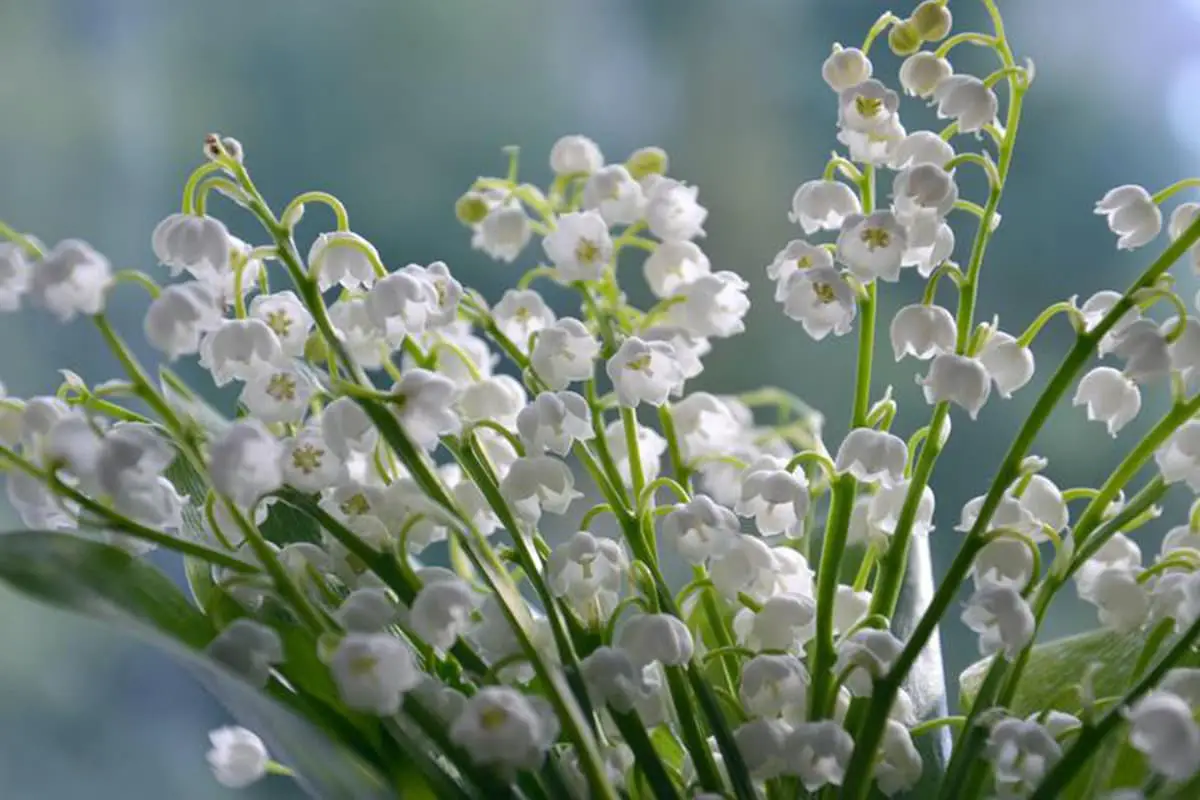
The Lily of the Valley, also known as Convallaria majalis, is alternatively referred to as Our Lady’s Tears, May Lily, or Bellflower. It is a perennial herbaceous plant belonging to the Lily family and the Convallaria genus.
This plant typically grows to a height of 18-30 centimeters and often grows in clusters. Its flowers are small, bell-shaped, and cluster towards one side at the top of the stem. Each stem generally bears 6 to 10 flowers.
These milky-white flowers dangle like a string of bells, their purity and nobility are captivating, and their rich, floating fragrance is intoxicating. However, it should be noted that the Lily of the Valley is a toxic plant, as every part of it is poisonous.
Nevertheless, it can still be kept indoors with care. As long as one avoids contact with the plant’s sap and inadvertent ingestion, it poses no threat to human health.
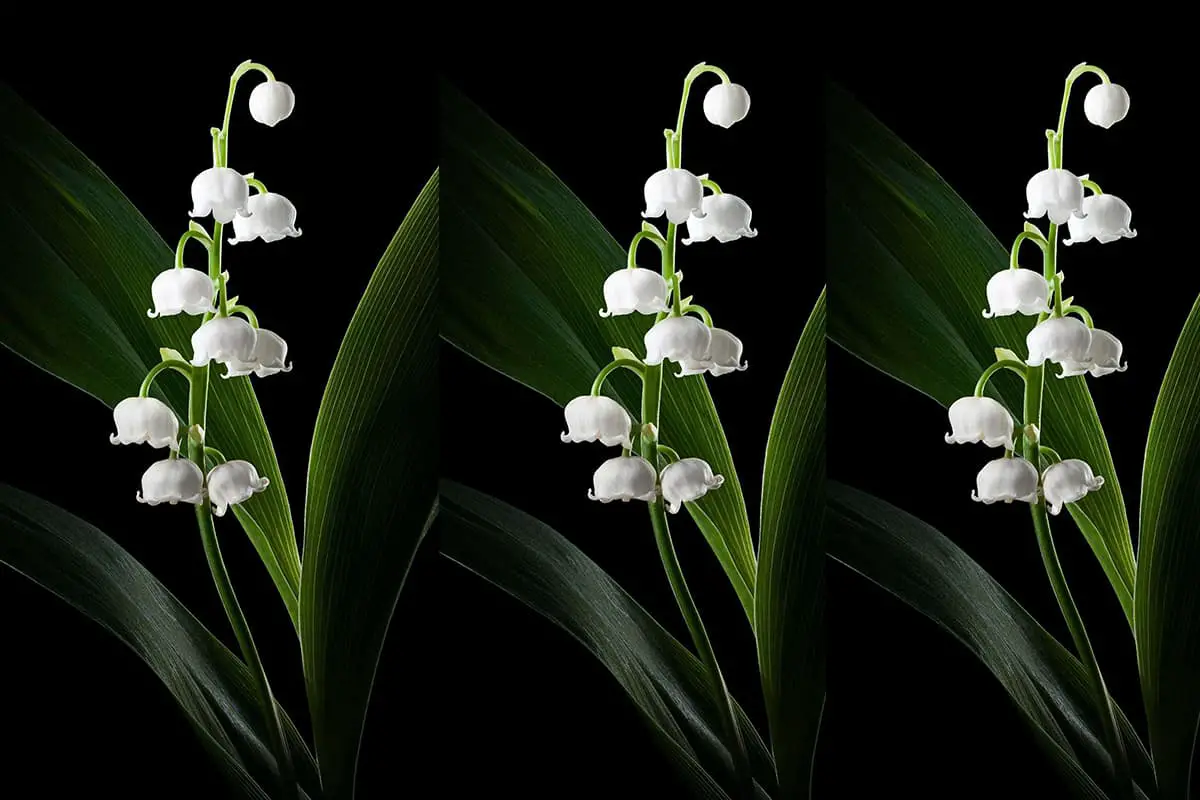
The Lily of the Valley, scientifically known as Convallaria majalis, belongs to the Lily family and the Convallaria genus. It has a sweet scent, although the entire plant is poisonous. This perennial herb has a small stature and is hairless.
It has multiple branching and creeping rhizomes underground. The plant looks glossy, and it has several membranous, sheath-like scales at the base. Its leaves are elliptical or ovate-lanceolate, and the bell-shaped flowers hang down in a raceme.
The bracts are lanceolate and membranous, and the pistil is shorter than the perianth. In the autumn, it produces spherical, dark red berries, which are poisonous. Inside the berries are elliptical, flat seeds. The flowering and fruiting period is from May to July.
The Lily of the Valley is native to the temperate regions of the Northern Hemisphere, including Europe, Asia, North America, and the northeastern and northern regions of China, where it grows wild at altitudes of 850 to 2500 meters.
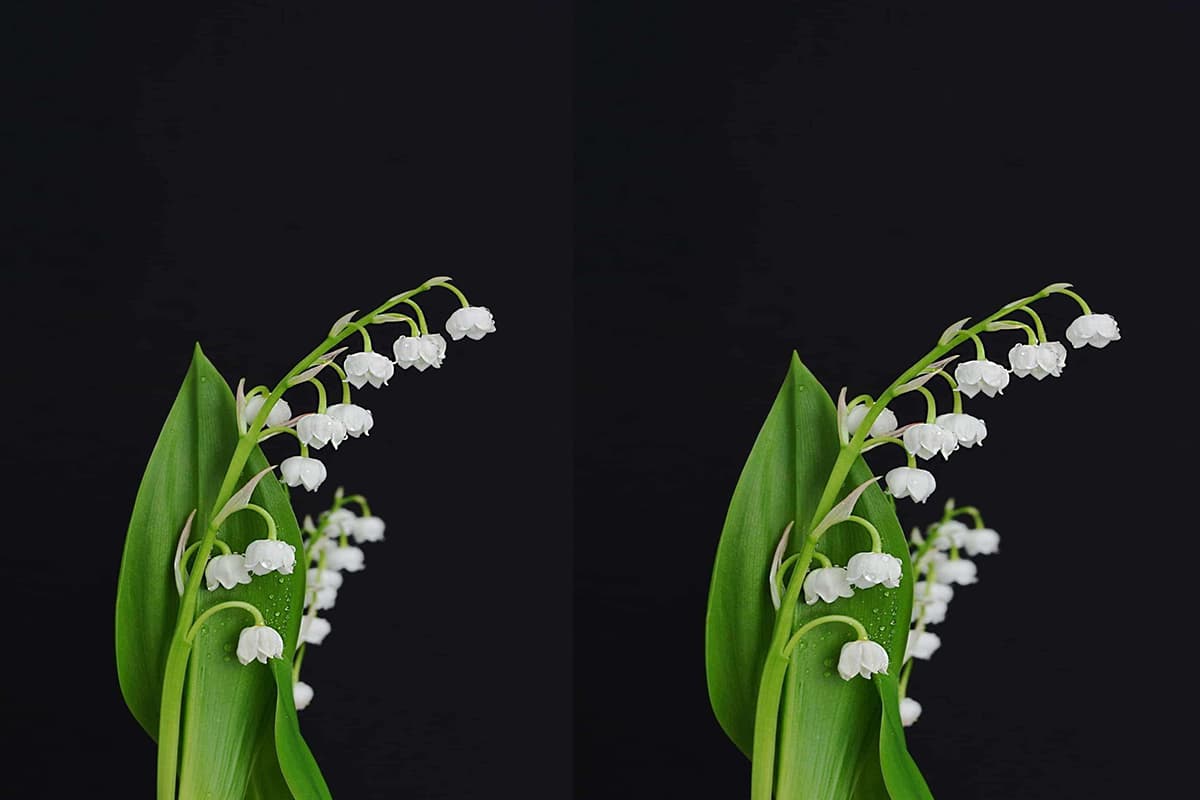
The entire plant of the Lily of the Valley can be used for medicinal purposes. After the fruits mature in summer, the whole plant is harvested, cleared of dirt, and dried.
It has cardiotonic and diuretic effects, and is used for congestive heart failure, atrial fibrillation, and left heart failure caused by hypertension and nephritis.
However, as all parts of the Lily of the Valley are highly toxic, it should not be taken without the guidance of a professional physician. Common symptoms of poisoning include abdominal pain, vomiting, decreased heart rate, blurred vision, dizziness, and skin rash.
The main types of Lily of the Valley include Red Lily of the Valley, Lily of the Valley, Large-flowered Lily of the Valley, Double Lily of the Valley, and Rainbow Lily of the Valley. Among these, only the Lily of the Valley is an original species, while the others are cultivated variants.
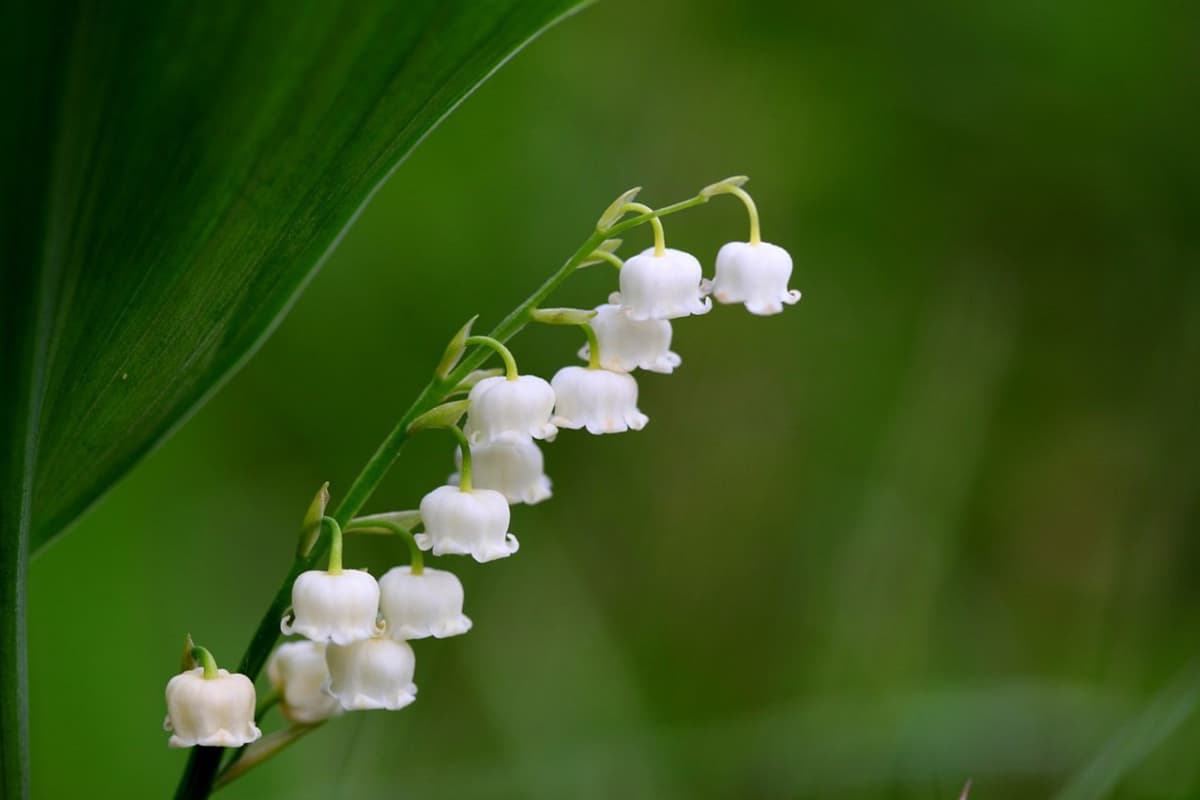
The Lily of the Valley comes in many different potted varieties, each with unique features, colors and growth habits. The White Lily of the Valley is quite common. It’s a pretty standard variety that can be grown in pots, producing white flowers. It has a strong adaptability to various environments.
The Red Lily of the Valley is part of the same series as the White Lily of the Valley but is a variant species. It produces flowers that resemble copper bells in shades of pink and bright red, with a few producing white flowers, adding unique ornamental value.
The Large-flowered Lily of the Valley is one of the more common variant species found in images of Lily of the Valley. It produces flowers similar to other species, but larger. It should be placed in ample sunlight; otherwise, it will struggle to bloom.
The Valley Lily of the Valley is a wild species with strong adaptability, especially to cold. It can be dug up and potted, requiring regular watering and moist soil. It also needs a lot of organic fertilizer to promote better growth.
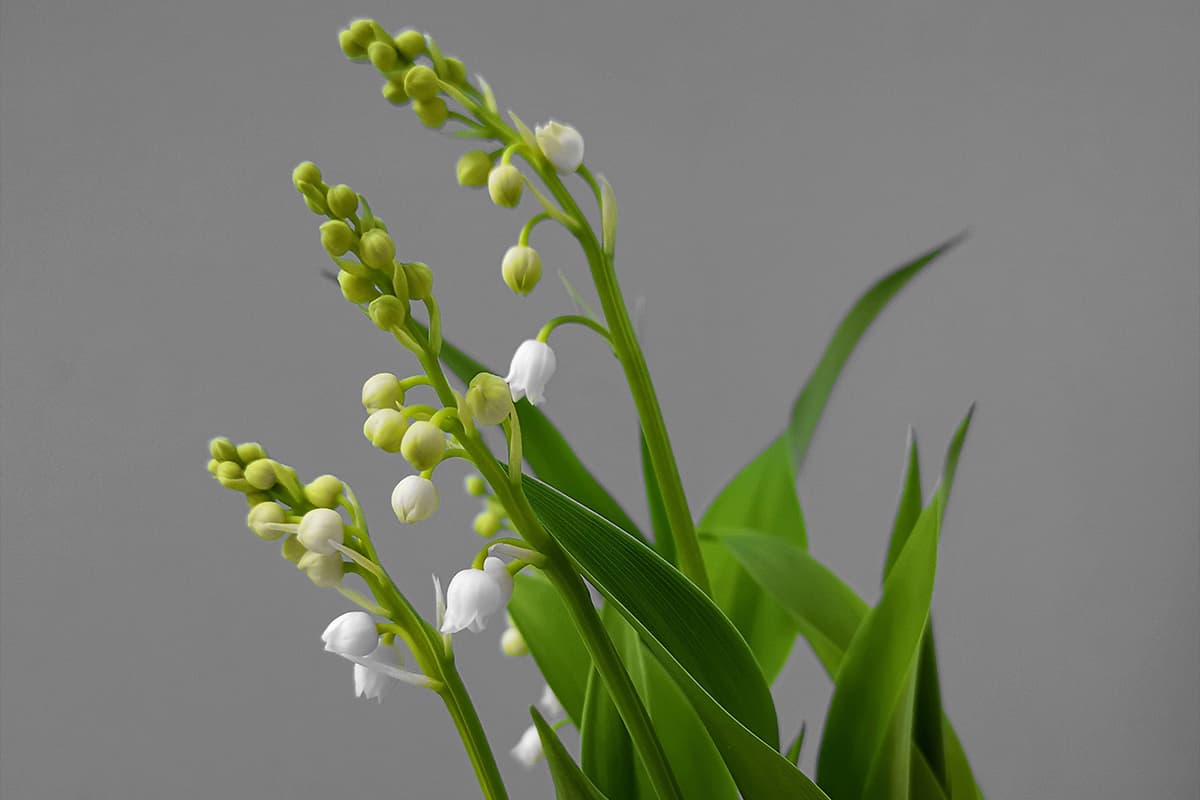
The Double Lily of the Valley, when not flowering, is similar to other species. However, its flowers have multiple overlapping petals, making it significantly different from regular varieties. It thrives in a moist environment, requiring regular watering, especially during hot summer months.
The Grass Jade Lily of the Valley, although similar in form to regular varieties, has higher ornamental value. Under sunlight, its leaves will become more lustrous, promoting better growth in potted soil. If it lacks light, the leaves will grow excessively, hindering normal plant growth.
The Rainbow Lily of the Valley is an excellent species that has unique ornamental value. Its flowers come in a variety of colors, drawing attention. It is commonly grown in pots and is highly appreciated for its unique ornamental value.
The Royal Shadow Lily of the Valley is similar to regular species, but its form has some differences. It has larger leaves and produces multicolored flowers. During winter, it should be placed in ample sunlight and kept at temperatures above 10°C to promote better plant growth.
The Spotted Leaf Lily of the Valley provides unique ornamental value even when not flowering. Its leaves aren’t as large as other species, but they have spots of different colors. It should be placed under sunlight and pruned regularly to produce beautiful flowers, or else it will struggle to bloom.
The Montana Lily of the Valley, like the Rainbow Lily of the Valley, is an excellent species. It has a plant form similar to most species, but its flowers have light green veins, adding a certain ornamental value. It has strong adaptability to various environments, making it ideal for beginners.
This species can be found from Korea and Japan, to Europe and North America.
This plant prefers semi-shaded, moist environments and cool conditions. It is not tolerant of hot and dry climates but can withstand severe cold.
It requires loamy soil rich in humus and sandy loam. It grows on shaded slopes, in humid areas under the forest, or by the ditch, between altitudes of 850 to 2500 meters.
Bluebells and carnations should not be placed together as the carnations will wilt quickly. Even if they are 20 centimeters apart, moving the bluebells away will restore the carnations to their original state. Bluebells also should not be kept with daffodils, as it would be detrimental to both.
The bluebell is a perennial herbaceous plant that is entirely hairless, with a height of 18-30 centimeters, often growing in patches.
Its leaves are oval or ovate-lanceolate, 7-20 centimeters long, and 3-8.5 centimeters wide, with an almost acute tip and a cuneate base; the leaf stalk is 8-20 centimeters long.
The flower stalk is 15-30 centimeters high and slightly curved outward; the bracts are lanceolate and shorter than the flower stalk. The flower stalk is 6-15 millimeters long, with a joint near the top, and falls off from the joint when the fruit is ripe.
The flowers are white, each 5-7 millimeters in length and width; the lobes are ovate triangular in shape, with acute tips and 1 vein.
The stamens are slightly shorter than the anthers, enlarged towards the base, and the anthers are near rectangular; the column is columnar, 2.5-3 millimeters long. The berries are 6-12 millimeters in diameter, red when ripe, and slightly drooping.
The seeds are flat round or biconvex, with a fine reticulate surface, and 3 millimeters in diameter. The flowering period is from May to June, and the fruiting period is from July to September.
The ideal time to plant Lily of the Valley is early spring after the autumn and winter seasons. Whether you’re planting it outdoors or cultivating it in a pot, propagation by seed is the preferred method.
Lily of the Valley tends to grow better in high-quality soil than in ordinary conditions. Sandy soil or peat soil is usually chosen for cultivation, with a small amount of garden soil added. The soil should be slightly acidic.
If the plant grows in alkaline soil, it’s likely to develop poorly, and the flowers may wilt prematurely.
Lily of the Valley is cold-resistant but not tolerant to high temperatures. Special attention should be paid during summer when temperatures exceed 30 degrees Celsius as the leaves can easily turn yellow and dry out, causing the plant to stop growing and enter dormancy.
The best times to water Lily of the Valley are in the early morning or evening. Keep the potting soil moist. In dry conditions, mist the plant several times. Otherwise, the plant may experience dehydration, leading to yellowing leaves and withered stems.
Generally, water the potted plant every 3-5 days. Avoid using tap water directly; instead, use appropriately treated water for better absorption.
Direct sunlight is not recommended for Lily of the Valley during its growing period. It can accept a certain degree of diffused light or grow under semi-shade. Typically, about 6 hours of light per day is sufficient.
Insufficient or excessive light can negatively affect the plant. Extended exposure to light can cause leaf wilt and stem elongation, especially in seedlings, which grow best in semi-shade.
Insufficient light may cause the leaves to turn yellow, which can delay the flowering period or even prevent normal blooming.
Since the plant is sown in early spring, it should be fertilized every two to three weeks to ensure ample nutrient absorption. When the plant’s flowering period arrives, stop fertilizing the Lily of the Valley.
Otherwise, it could negatively impact blooming, causing the flowers to wilt prematurely. Fertilization can resume in the spring of the following year.
Lily of the valley is mainly propagated through seeds and division. Seed sowing is usually carried out in the fall. After removing the seeds from the fruit, they are sown into the soil and will sprout in the spring of the next year.
After sowing, it is necessary to water appropriately, keep in a shaded place, and weed. Division is often carried out in spring and autumn. After cutting off the small bulbs at the end of the rhizome, they are planted separately in flower pots, and they can bloom the next year.
The entire lily of the valley plant can be used medicinally. Once the fruit ripens in the summer, the plant can be dried and used as a medicinal herb. Lily of the valley has cardiotonic and diuretic effects.
It can slow down the heart rate, inhibit conduction, and act as a cardiac glycoside. Moreover, it can help improve the patient’s sleep and alleviate feelings of tension and anxiety.
It can also promote pulmonary circulation, increase the brain tissue’s oxygen uptake, and stimulate the oxygen tension of the skeletal muscles.
Lily of the valley is a dwarf plant, elegant and beautiful, with a pleasant fragrance. It is an excellent potted ornamental plant, usually used in flower beds and landscapes, and can also be used as a ground cover plant.
Its leaves are often used for flower arrangements. There are varieties in white, pink, and variegated leaves. In autumn, its red fruits are charming and enticing.
Although lily of the valley does not have the same powerful ability to absorb harmful gases as spider plants, it does play a role in purifying the air. Placing lily of the valley indoors can absorb carbon dioxide, provide oxygen, and increase the negative ions in the indoor air.
Additionally, lily of the valley also has a certain dust removal effect, absorbing floating particles and dust in the air, reducing the damage of dust to the cleanliness of the home.
Notably, the fragrance of lily of the valley makes the surrounding air fresh and pleasant, providing mental pleasure and relaxation.
Flower Language
The flower language of lily of the valley is the return of happiness. In different countries, people have different beautiful aspirations for lily of the valley.
England is a country of gentlemen, and “Lily of the Valley” and “Tears of a Lady” are beloved names for lily of the valley. As we all know, the French are romantic, and they naturally love the pure and brilliant flower of lily of the valley.
Culture
The beauty of lily of the valley is loved by the naturally romantic French. Since the beginning of the 20th century, the beloved lily of the valley has had its own holiday, with May 1st being France’s “Lily of the Valley Day”.

Peggie was once a high school mathematics teacher, but she set aside her chalkboard and textbooks to follow her lifelong passion for flowers. After years of dedication and learning, she not only established a thriving flower shop but also founded this blog, “Flowers Library”. If you have any questions or wish to learn more about flowers, feel free to contact Peggie.
 English
  العربية
  Bahasa Indonesia
  Deutsch
  Français
  Italiano
  Nederlands
  Português
  Русский
  日本語
日本語