600+ Types of Flowers A To Z (With Names and Pictures)
Types Of Flowers By Names (A-Z) Types Of Flowers By Color Types Of Flowers By Season Types Of Flowers By Blooming Time 600+ Types of Flowers No. Flower Name No.…

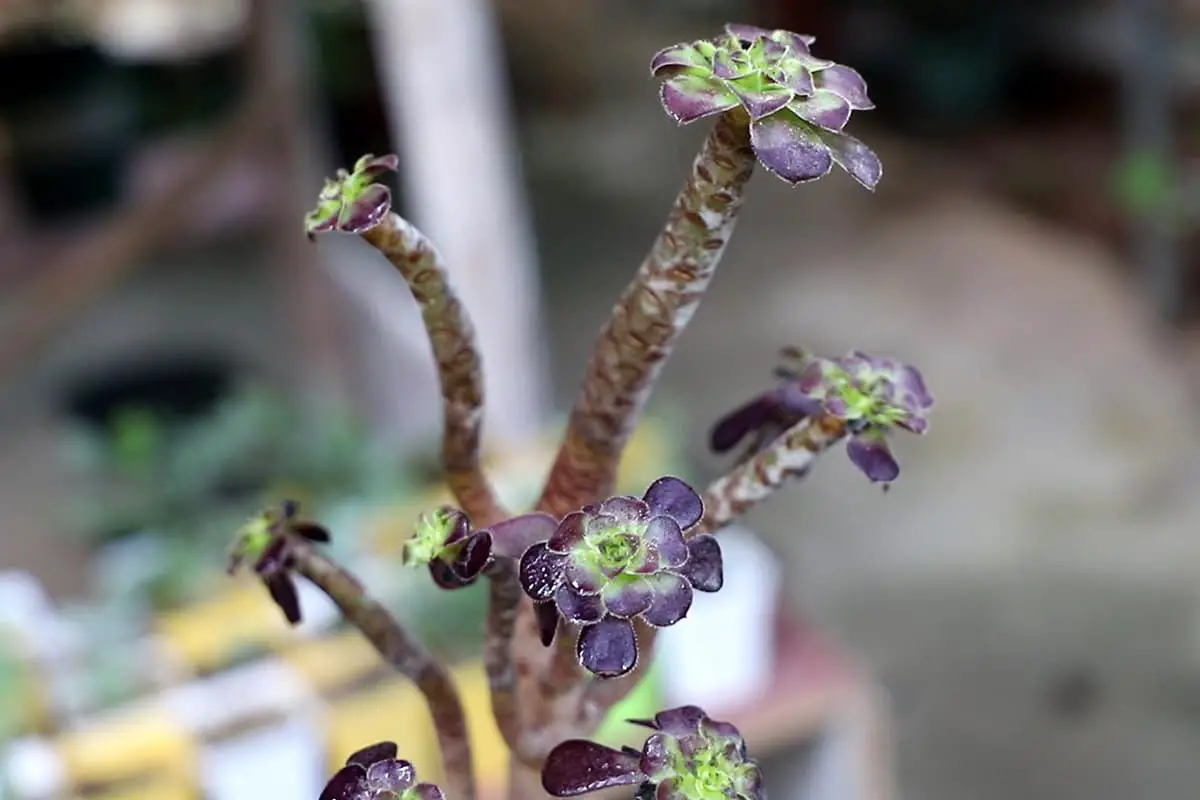
The Aeonium arboreum, also known as the Purple Leaf Lotus Palm, is a cultivated variety of the succulent plant Lotus Palm belonging to the Crassulaceae family and Lotus Palm genus.
The plant takes on a shrub-like form, growing upright to a height of about 1 meter, with many branches. The older stems become woody and cylindrical in shape, with a light brown color.
Its succulent leaves are slightly thin, clustering into a 20 cm chrysanthemum-shaped leaf disc at the top of the branches. The leaves are inversely ovate or inversely lanceolate, 5 to 7 cm long, with small tips.
The leaf margin has white eyelash-like fine teeth, and the leaves are black-purple in color, turning green-purple in winter. The plant bears panicle inflorescences, with yellow flowers about 10 cm long. After flowering, the plant usually dies.
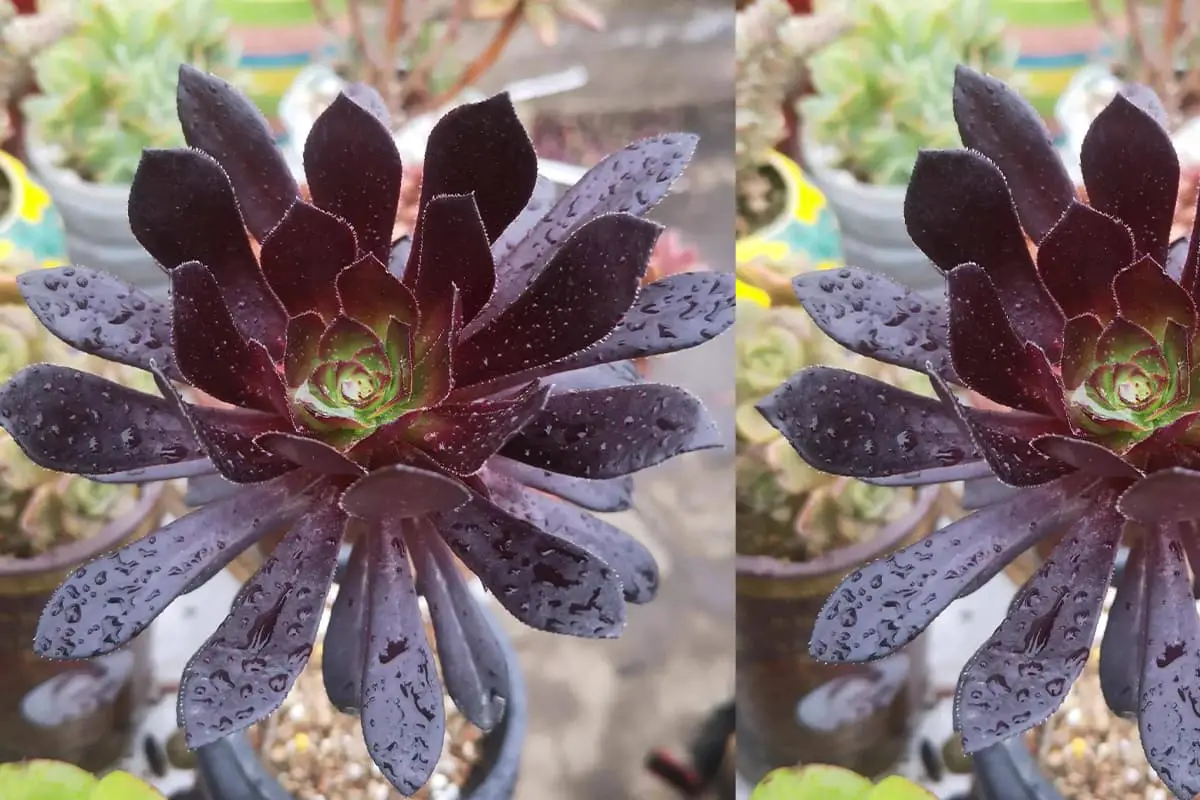
The Black Rose prefers warm, dry, and sunlit environments. It is a “winter type” plant, drought-resistant, not cold-resistant, and can tolerate some shade. If the plant gets too little sunlight, the leaves will turn green.
The Black Rose, due to its leaves easily turning black, absorbs more heat than other succulents. Too much sunlight can cause the leaves to soften.
As a “winter type” succulent, the lower leaves fall off during summer dormancy, which is a normal metabolic process. It grows in cool seasons, has a brief dormancy in summer.
The original species is native to the Canary Islands of Morocco. It is also found in many areas of California, USA and various parts of China.

The Black Rose, also known as the Purple Leaf Lotus Palm, is a cultivated variety of the succulent plant Lotus Palm belonging to the Crassulaceae family and Lotus Palm genus.
The plant takes on a shrub-like form, growing upright to a height of about 1 meter, with many branches. The older stems become woody and cylindrical, with a light brown color.
Its succulent leaves are slightly thin, clustering into a 20 cm chrysanthemum-shaped leaf disc at the top of the branches. The leaves are inversely ovate or inversely lanceolate, 5 to 7 cm long, with small tips.
The leaf margin has white eyelash-like fine teeth, and the leaves are black-purple in color, turning green-purple in winter. The plant bears panicle inflorescences, with yellow flowers about 10 cm long. After flowering, the plant usually dies.
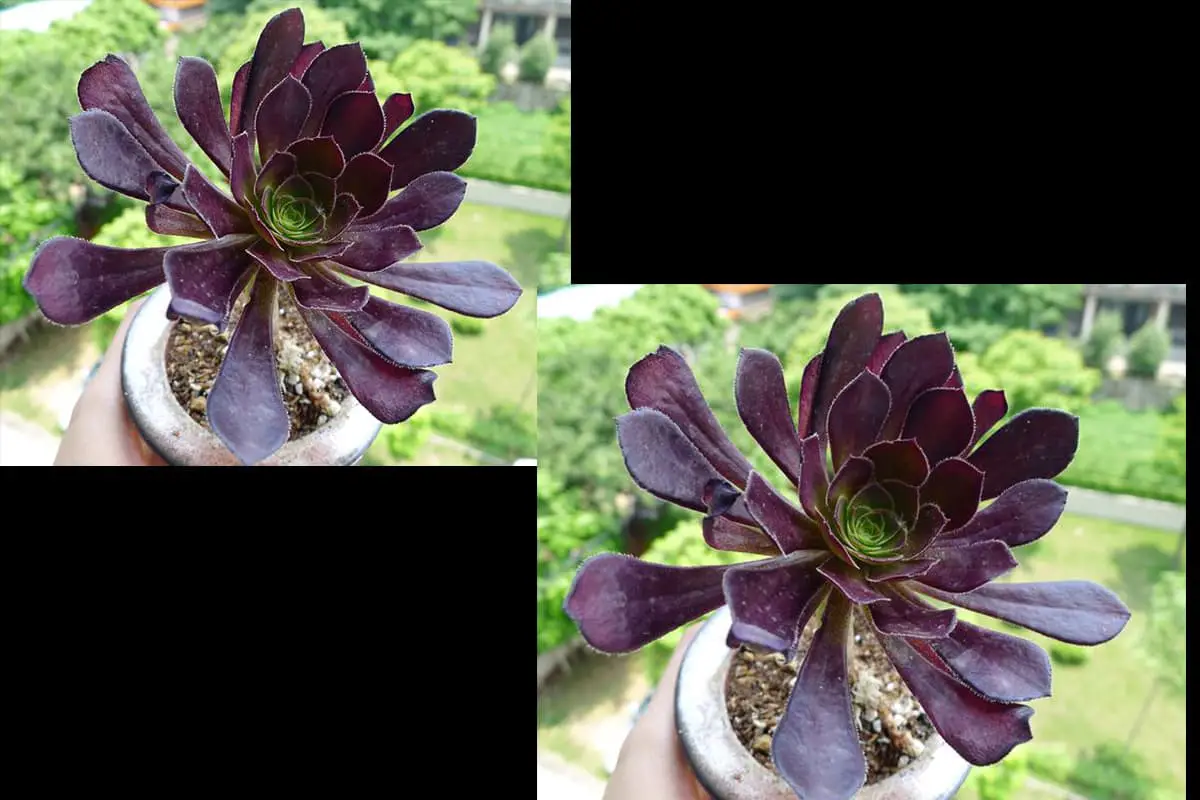
During the high temperatures of summer, the plant goes through a brief period of dormancy, during which its growth slows or halts entirely. It should be kept in a well-ventilated area to avoid prolonged exposure to rain and partial shade, and watering and fertilization should be moderated.
The main growing seasons for the plant are spring, early summer, and autumn, during which it should be exposed to ample sunlight.
Although it can grow in semi-shaded areas, the growth points will turn a dark green, and the black-purple color of the leaves elsewhere on the plant will fade to a light brown, diminishing its ornamental value.
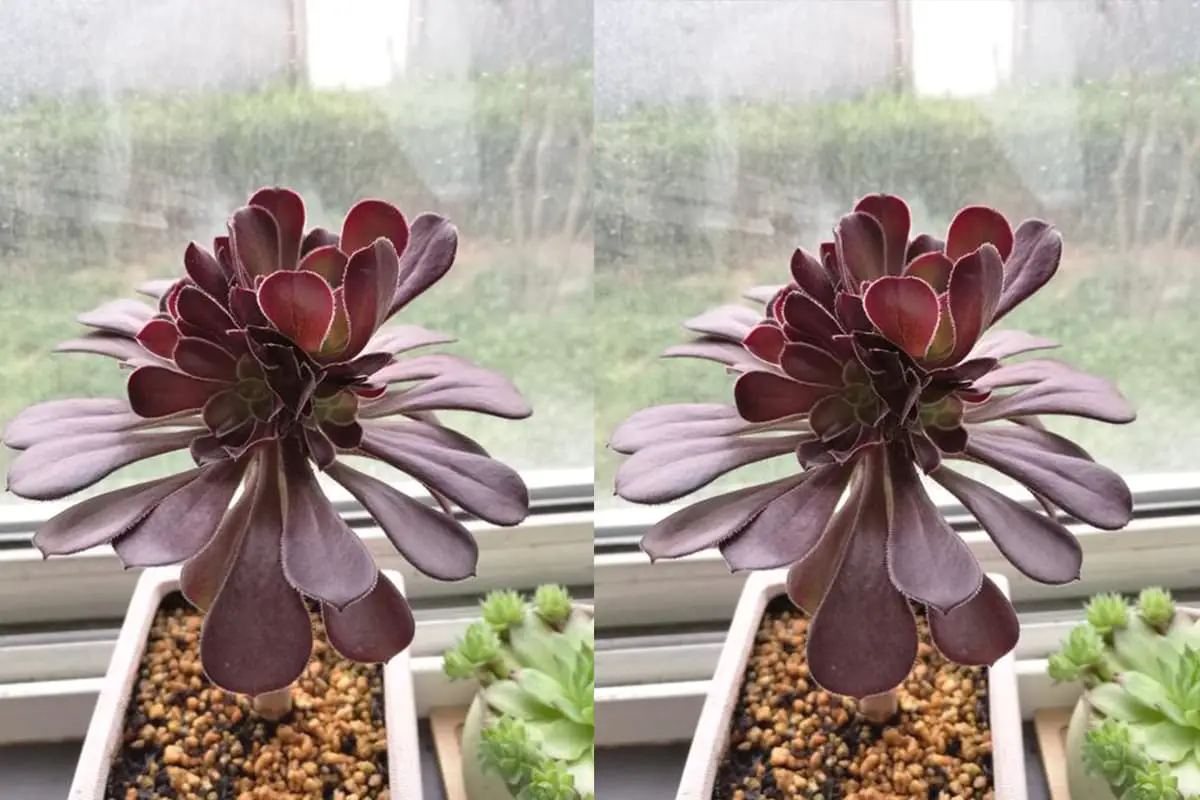
An excess of nitrogen fertilizer in the soil or overly vigorous growth can also cause this phenomenon. Therefore, it’s beneficial to keep the potting soil slightly dry and allow the plant to grow a bit slower.
If the lowest winter temperature stays above 11°C (51.8°F), the plant can be watered normally to continue its growth, but fertilization isn’t necessary.
If such high temperatures cannot be maintained, water sparingly to let the plant hibernate; it can withstand temperatures as low as 4°C-6°C (39.2°F-42.8°F).
Repot once every one to two years using fertile soil with good drainage, typically a mix of two parts coarse sand or vermiculite, one part leaf mold, and one part garden soil. If possible, adding a bit of wood ash or bone meal as base fertilizer improves results.
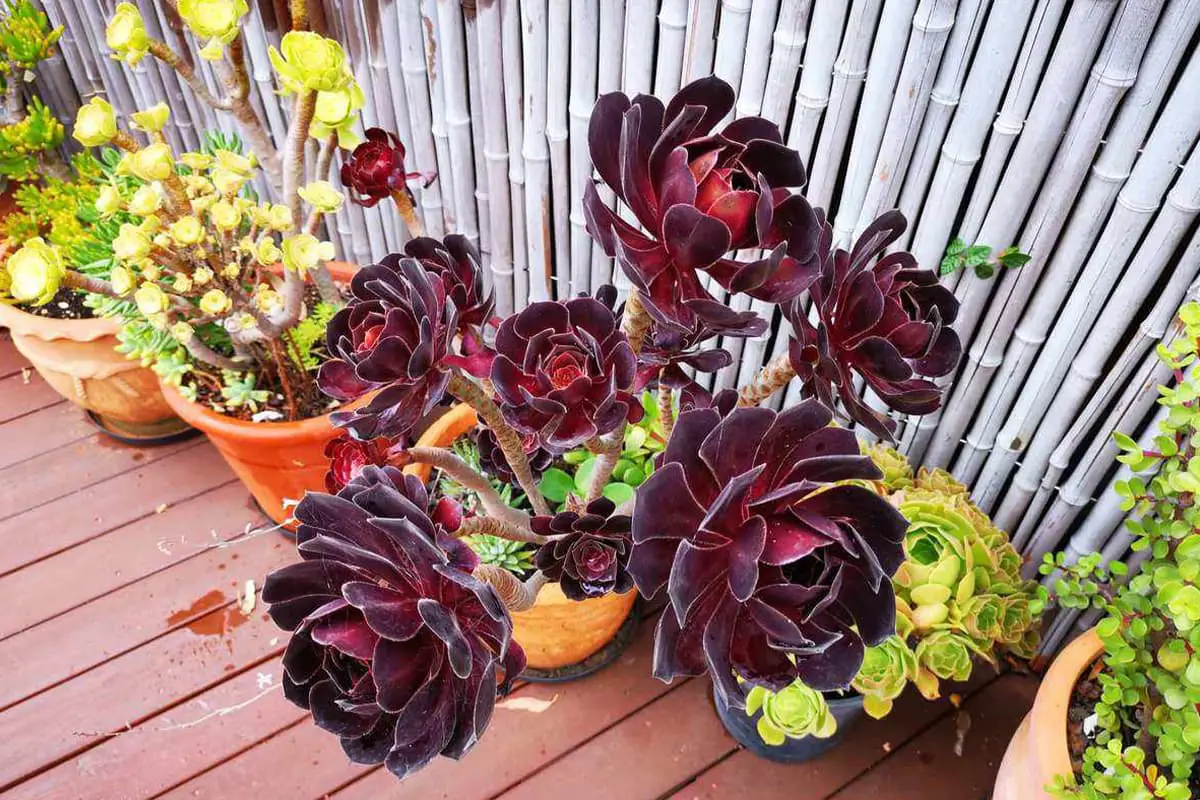
The Black Wizard plant boasts a beautiful form with dark purple leaves crowning its branches, creating a mysterious and noble appearance.
Its leaves are arranged in a lotus seat shape, resembling a blooming lotus, which sets it apart from other ornamental plants and adds a high level of decorative value.
Not only is it a great addition to any plant collection, but it’s also suitable for general household cultivation. Its aesthetic appeal is amplified when combined with other succulents from the Crassulaceae family in a container garden.
Its attractive leaf shape and color offer considerable ornamental value. As a potted plant, it can be placed near televisions or computers for radiation protection, and it can also absorb substances like formaldehyde when planted indoors, helping to purify the air.

Peggie was once a high school mathematics teacher, but she set aside her chalkboard and textbooks to follow her lifelong passion for flowers. After years of dedication and learning, she not only established a thriving flower shop but also founded this blog, “Flowers Library”. If you have any questions or wish to learn more about flowers, feel free to contact Peggie.
 English
  العربية
  Bahasa Indonesia
  Deutsch
  Français
  Italiano
  Nederlands
  Português
  Русский
  日本語
日本語